
PTI Blames Unilateral Security Measures for Breakdown in Federal Talks
High-stakes political negotiations between the federal government and opposition parties collapsed over unilateral security measures in Khyber Pakhtunkhwa, threatening broader economic stability and market confidence.
The Core Development
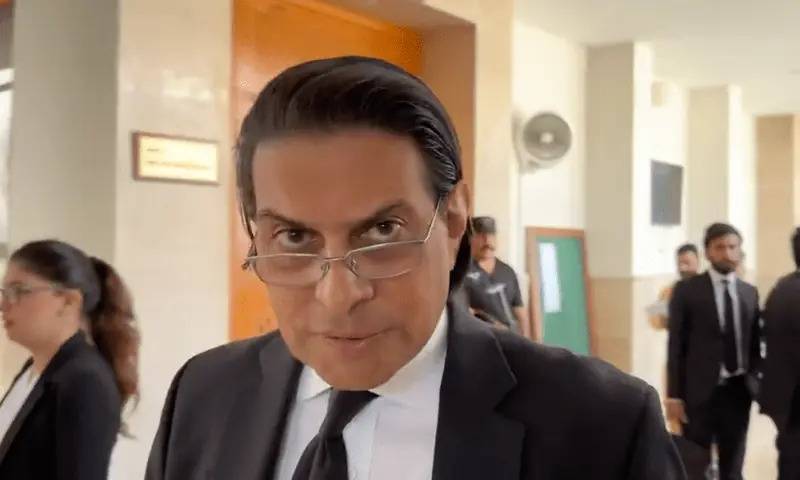
Political tensions in Pakistan escalated sharply following the complete collapse of high-stakes negotiations between the ruling coalition and the opposition. The deadlock materialized at approximately 3:00 AM after marathon sessions between a joint government-PPP delegation and an opposition team representing the Pakistan Tehreek-e-Insaf (PTI) and the Tehreek-i-Tahafuz-i-Ayin-i-Pakistan (TTAP). According to official statements released via social media by PTI Secretary General Salman Akram Raja, the core point of contention that fractured the dialogue was the federal administration's persistent demand for unilateral counter-terrorism operations within the Khyber Pakhtunkhwa province. The opposition delegation maintained a firm stance that any security framework implemented within the province must respect regional administrative boundaries and constitutional mandates. The collapse follows reciprocal accusations from federal ministers, including Interior Minister Mohsin Naqvi, who publicly accused the Khyber Pakhtunkhwa provincial leadership of deliberately obstructing the negotiation process. This friction underscores a deepening structural governance crisis at a juncture when national cohesion is paramount for macroeconomic recovery.
Commercial & Economic Implications
For the domestic business community, wholesale distribution networks, and retail markets across Pakistan, sustained political volatility carries immediate economic costs. Persistent friction between federal authorities and the provincial government of Khyber Pakhtunkhwa directly impacts vital transit trade routes, commercial supply chains, and consumer confidence. Investors and market participants closely monitor political stability as a primary indicator for capital deployment. Prolonged deadlocks and the threat of localized civil unrest or expanded security operations inevitably disrupt freight logistics, weigh down retail transactions, and stoke inflationary pressures driven by supply chain bottlenecks. Uncertainty surrounding policy execution directly affects wholesale markets in major urban centers like Peshawar, Lahore, and Karachi, where merchants face compressed profit margins and volatile pricing environments directly linked to shifting regulatory and security landscapes.
Related Intelligence: Bosnian Separatism Threatens Regional Stability and Trade Routes
Stakeholder Perspectives & Market Reactions
Business councils, trade associations, and legal experts have expressed profound concern over the deteriorating political climate. Representatives from leading chambers of commerce in Punjab and Khyber Pakhtunkhwa noted that continuous political confrontation stifles foreign direct investment and stalls critical structural reforms required under international financial programs. Legal analysts point out that bypassing provincial consensus on security matters undermines federalism and deepens institutional friction, creating an unpredictable regulatory climate for corporate entities. Public response has been increasingly cautious, as citizens navigate the dual pressures of economic inflation and heightening security rhetoric. Official statements from governing coalition members continue to defend national security imperatives, arguing that decisive state action supersedes regional political positioning, while opposition leaders maintain that unconstitutional overreach violates provincial autonomy.
Forward Outlook & Key Watchpoints
As formal channels of dialogue remain severed, market observers and political analysts are monitoring several critical indicators over the coming weeks. Key watchpoints include potential legislative maneuverings in parliament, the trajectory of security operations in Khyber Pakhtunkhwa, and any prospective initiatives by neutral stakeholders to restart mediation. The absence of political consensus complicates the implementation of broader economic adjustments and fiscal policies. Unless both factions establish a functional framework for legislative and security cooperation, heightened political confrontation will likely persist, casting a long shadow over Pakistan's commercial vitality, market liquidity, and long-term economic recovery trajectory.
Join Our Official WhatsApp Channel
Receive live commodity alerts, policy changes, and commercial intelligence directly on WhatsApp.