
Bosnian Separatism Threatens Regional Stability and Trade Routes
Escalating separatist rhetoric from Bosnian Serb leader Milorad Dodik threatens regional stability, raising concerns for European supply chains and financial markets.
Geopolitical & Core Developments
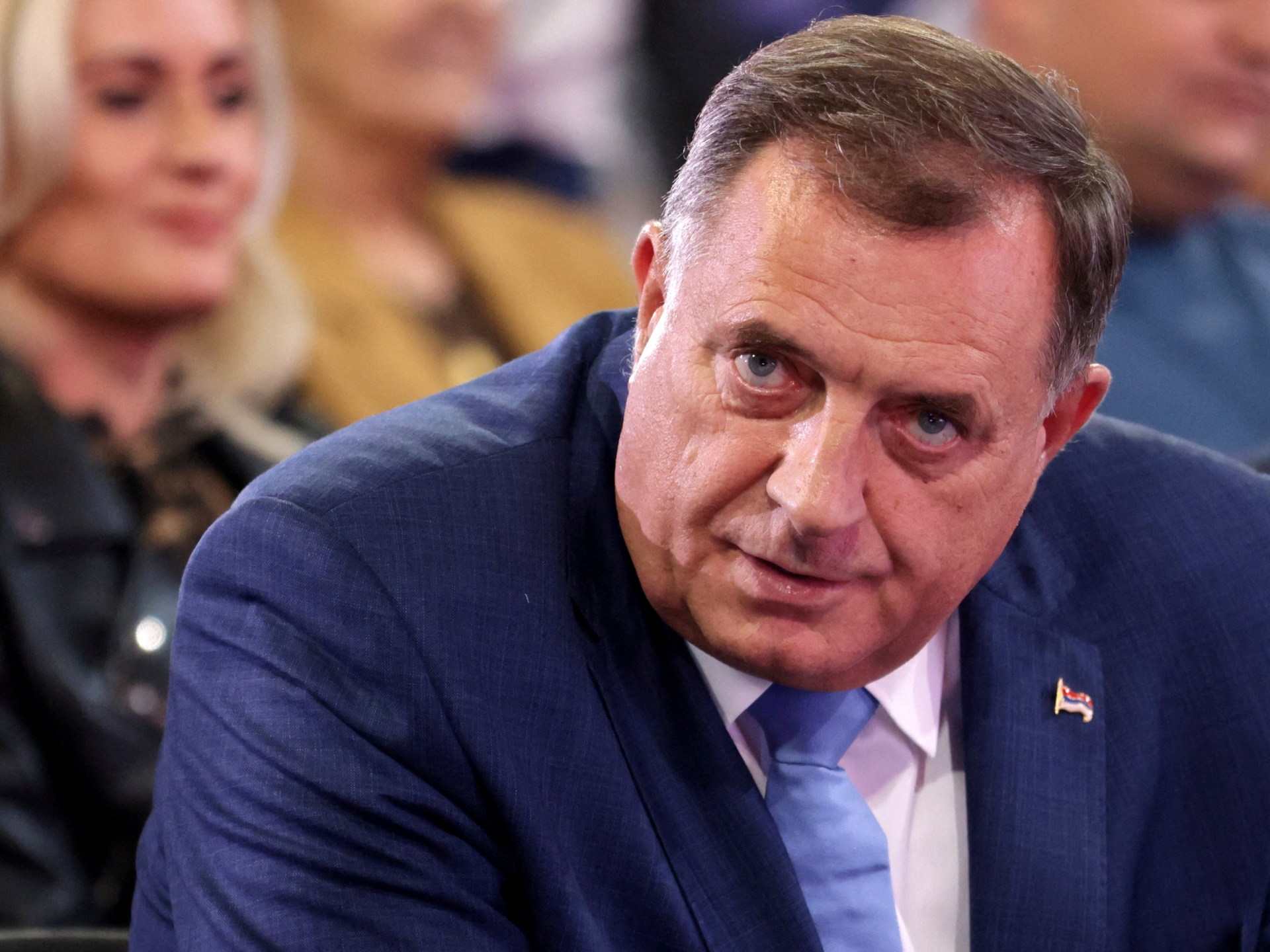
The political landscape of the Western Balkans faces a severe stress test as Milorad Dodik, the leader of Bosnia and Herzegovina's Republika Srpska entity, openly declared the state 'dead' amidst high-stakes electoral campaigns. Dodik's persistent separatist rhetoric, characterized by threats of institutional withdrawal from state-level judicial, military, and tax authorities, has pushed the 1995 Dayton Peace Agreement to its most fragile juncture in decades. State actors across Europe and the transatlantic community view these maneuvers not merely as election-season posturing, but as a calculated escalation designed to test the resolve of Western peacekeeping frameworks and the Office of the High Representative. The erosion of central governance structures in Sarajevo creates a dangerous vacuum, inviting opportunistic interventions from external state actors seeking to expand influence in Europe's turbulent periphery.
Global Trade & Economic Ripples
While Bosnia and Herzegovina represents a modest direct share of global GDP, its geographic centrality within the Western Balkans makes it a critical transit bottleneck for European commerce. The intensification of political instability directly threatens vital trade corridors, overland freight logistics, and natural gas pipelines connecting Southeast Europe to wider continental networks. International supply chain managers are increasingly pricing in the risk of regional friction, which could impede cross-border trucking and rail freight traversing the Balkan land bridge. Furthermore, sovereign debt markets have begun to reflect heightened risk premiums, as institutional investors reassess the creditworthiness and macroeconomic stability of emerging European economies exposed to localized political contagion.
Related Intelligence: US Marine Arrested in Japan Sparking Diplomatic and Security Tensions
International Reactions & Diplomatic Stances
Global institutions and Western capitals have responded with profound alarm to the mounting secessionist threats. The United Nations Security Council, alongside the European Union and the United States Department of State, has issued stern warnings reaffirming the territorial integrity and constitutional framework of Bosnia and Herzegovina. Multilateral bodies emphasize that any unilateral moves toward secession will trigger severe diplomatic isolation and targeted economic sanctions against culpable political actors. Market analysts and geopolitical risk consultancies warn that prolonged diplomatic standoffs could freeze foreign direct investment across the broader region, stifling infrastructural modernization projects vital for long-term economic integration with the European Union.
Strategic Outlook & Future Scenarios
Looking ahead, the trajectory of the Western Balkans hinges on the enforcement mechanisms deployed by the international community and the conduct of upcoming elections. If separatist rhetoric translates into formal unconstitutional decrees, Western powers are expected to implement stringent asset freezes and visa bans targeting the leadership of Republika Srpska. Conversely, a failure of multilateral institutions to decisively counter these moves could embolden other nationalist factions across the region, triggering a broader geopolitical crisis on the doorstep of the European Union. Upcoming diplomatic summits in Brussels will prove critical in determining whether economic leverage and security guarantees can successfully deter further fragmentation.
Join Our Official WhatsApp Channel
Receive live commodity alerts, policy changes, and commercial intelligence directly on WhatsApp.