
Premier League Asset Disruption Highlights Elite Sports Global Capital Exposure
The recent medical sidelining of Chelsea goalkeeper Emi Martinez highlights the intricate financial exposure, sovereign capital risks, and underwriting vulnerabilities governing the modern multi-billion-dollar sports entertainment ecosystem.
Geopolitical & Core Developments
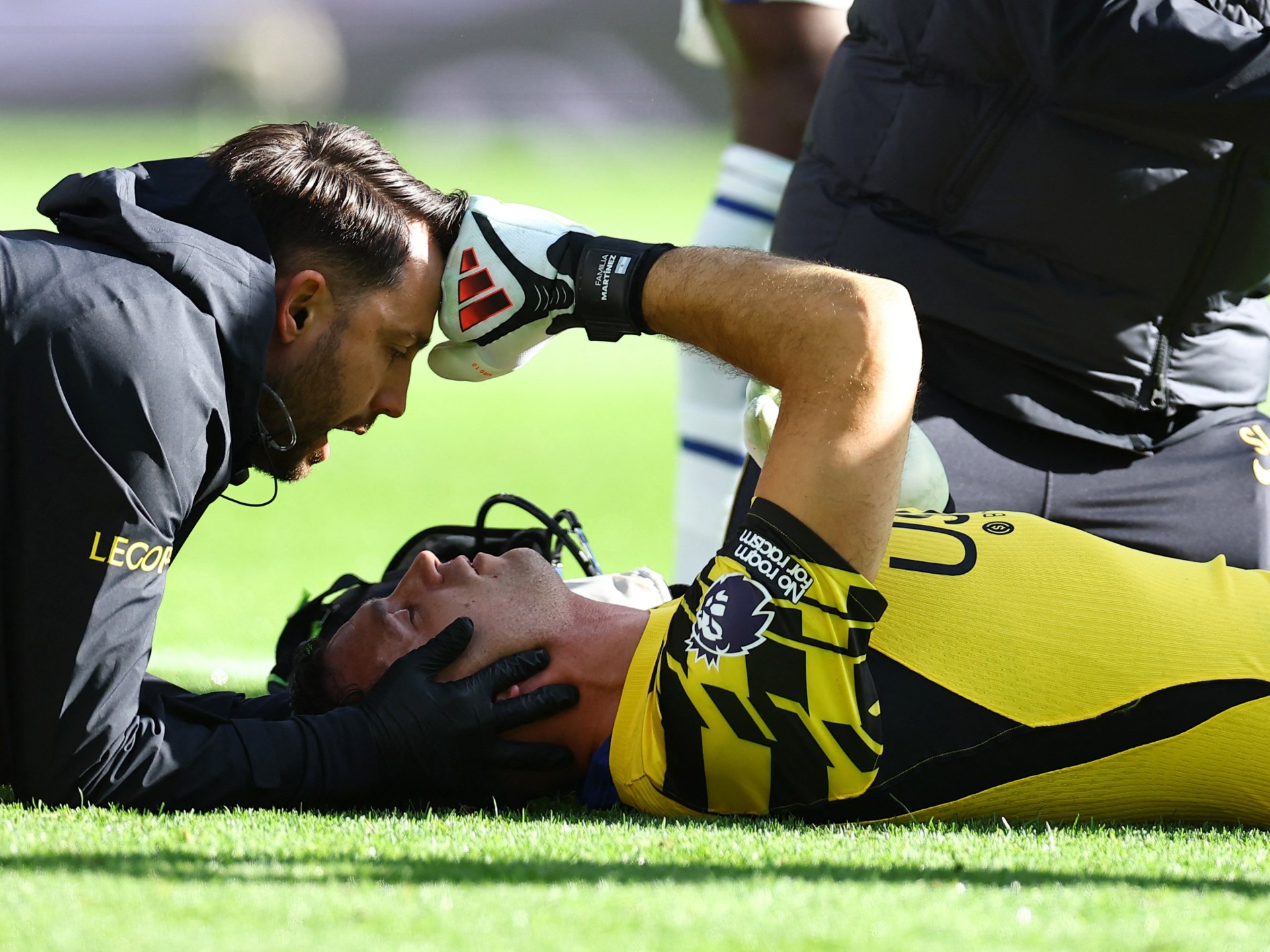
The physical toll exacted on top-tier global sports stars is increasingly intersecting with high-stakes international finance and sovereign wealth strategies. Following a severe on-pitch collision during Chelsea Football Club's away match at Everton, Argentine international goalkeeper Emi Martinez was stretchered off and subsequently underwent surgical intervention. Medical staff have confirmed that the shot-stopper is slated for a competitive return within several weeks. While framed domestically as an athletic setback, the incident reverberates throughout a globalized football infrastructure heavily anchored by sovereign wealth funds, multinational consortia, and institutional private equity.
Over the past two decades, top-tier European football has transformed from regional athletic competitions into strategic geopolitical soft-power assets. Club balance sheets represent substantial capital outlays orchestrated by international ownership groups, including prominent Middle Eastern sovereign wealth funds, American private equity consortiums, and Asian conglomerates. When critical sporting personnel undergo sudden medical crises, capital efficiency, sporting continuity, and multi-million-dollar performance thresholds are immediately challenged, illuminating the vulnerabilities embedded in hyper-monetized global entertainment franchises.
[Global Trade](/news/us-political-realignment-shifts-global-trade-diplomatic-calculus) & Economic Ripples
The economic implications of high-profile sporting injuries ripple directly through global entertainment supply chains, elite commercial underwriting markets, and media distribution networks. The English Premier League operates as a premier export product for the United Kingdom, generating billions in international broadcasting revenue spanning North America, East Asia, the Middle East, and Sub-Saharan Africa. The unexpected removal of elite international talent threatens match viewership aggregates, brand activations, and commercial performance milestones tied to transnational corporate sponsorships.
Simultaneously, the specialist underwriting sector across London and European financial centers faces recurring pressure from ballooning player wage structures and capital asset protection policies. Contingency underwriters and specialty lines within Lloyd's of London navigate rising loss ratios associated with high-value human capital in international sports. As contract values continue to surge amidst competition between state-backed and private capital enterprises, the cost of reinsurance and liability hedging for international sporting assets has tightened, mirroring volatility models observed in critical physical infrastructure and commodity supply logistics.
Related Intelligence: Nationwide Unrest Grips France Sparking Mass Arrests and European Economic Concerns
International Reactions & Diplomatic Stances
Market analysts, sports business executives, and international confederations have increasingly focused on the structural sustainability of elite athletic calendars. Global governing bodies, including FIFA and confederations such as CONMEBOL and UEFA, face mounting scrutiny from domestic leagues and player syndicates concerning fixture congestion and physical capital depletion. International players association representatives have repeatedly voiced concerns regarding compressed schedules, which compromise physical performance while elevating corporate balance sheet vulnerabilities.
Financial analysts tracking alternative asset classes note that private equity investments in elite clubs depend heavily on competitive consistency to secure UEFA Champions League qualification windfalls. Deviations caused by sudden injury shocks directly compromise projected EBITDA models. Sports finance advisers point out that as private equity firms continue to inject liquidity into leagues across the globe, operational risk assessments will mandate stricter physical governance standards, standardized recovery protocols, and restructured incentive structures across major leagues.
Strategic Outlook & Future Scenarios
Looking ahead, elite sports organizations will accelerate their integration of predictive biometric analytics, defensive risk mitigation frameworks, and diversified balance sheet strategies. The international market will likely witness an expansion of structured insurance mechanisms, where syndicated risk models disperse the economic shock of player downtime across multiple international underwriters.
Furthermore, sovereign investment entities operating across the sports sector will continue re-evaluating risk exposure within domestic competitions. If high-intensity domestic league schedules continue to generate elevated injury attrition rates, pressure will intensify on multilateral football governing bodies to streamline international match calendars. As global sports assets remain pivotal conduits for cross-border capital deployment, the operational stability of these human assets will remain a core determinant of broader franchise valuations and sovereign commercial exposure worldwide.
Join Our Official WhatsApp Channel
Receive live commodity alerts, policy changes, and commercial intelligence directly on WhatsApp.