
Middle East Tensions Rise as Helicopter Crash Strains Red Sea Security
A fatal coalition helicopter incident along the Saudi-Yemen border has escalated regional security concerns, presenting fresh risks to Red Sea maritime logistics and Pakistan's import-export supply chains.
The Core Development
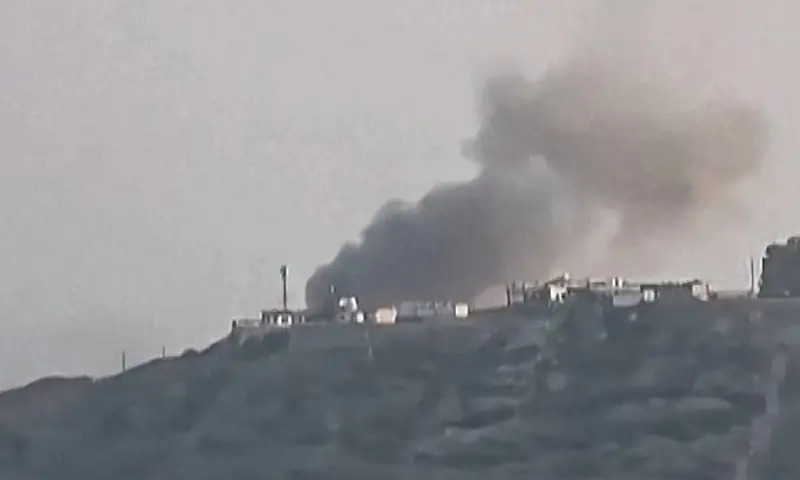
The Saudi-led military coalition active in Yemen confirmed on Sunday that two of its pilots were killed following a helicopter crash in the border area adjacent to Yemeni territory. While coalition authorities attributed the incident to an acute technical malfunction during an operational sortie, Houthi military spokespersons claimed their forces brought down the aircraft. The fatalities represent the first recorded military deaths for the coalition since regional clashes flared up again in July, following a fragile period of relative calm.
This incident unfolds against an increasingly complex security backdrop across the Arabian Peninsula and the southern corridor of the Red Sea. In recent weeks, cross-border skirmishes and drone activity have intensified, eroding previous de-escalation efforts brokered through international channels. The loss of military personnel on the border highlights the tenuous nature of regional security architecture and threatens to disrupt broader diplomatic negotiations aimed at establishing permanent ceasefires and stable transit corridors.
Commercial & Economic Implications
For Pakistan's commercial landscape, renewed hostilities and military activity near key Gulf sea lanes carry direct financial ramifications. Pakistani import-export operations, particularly through Karachi Port and Port Qasim, rely heavily on safe passage through the Red Sea and Gulf of Aden for European and Mediterranean cargo. Escalated military actions in this quadrant immediately translate into heightened maritime risk ratings from global underwriting syndicates.
Consequently, ocean carriers are anticipated to preserve or increase war-risk surcharges on transit through these waters. Importers of industrial inputs, raw chemicals, and energy products face elevated landed costs, which feed directly into domestic wholesale price indexes. Simultaneously, Pakistani export sectors—most notably value-added textiles, leather goods, and agricultural produce bound for western destinations—face compressed operating margins as transit fees climb and turnaround schedules face further unpredictability.
Related Intelligence: US Political Realignment Shifts Global Trade and Diplomatic Calculus
Stakeholder Perspectives & Market Reactions
Domestic freight forwarding bodies and logistics associations in Pakistan have expressed persistent concern over maritime corridor instability. Industry analysts note that wholesale distributors are already grappling with fluctuating fuel prices and exchange rate volatility; additional supply chain overhead threatens retail price stability for essential goods. Corporate procurement managers note that maritime unpredictability forces higher buffer inventory holdings, tying up precious operational liquidity.
International energy and security observers view the incident as an indicator that the Yemeni operational theater remains volatile, capable of generating sudden asymmetric shocks. Official statements from regional defense authorities emphasize continued defensive readiness along border perimeters, yet regional trading houses remain apprehensive that retaliatory maneuvers could expand into maritime shipping arteries.
Forward Outlook & Key Watchpoints
In the near term, market participants will closely monitor official incident investigations and any retaliatory air operations conducted across border sectors. Should security deteriorations trigger additional threats against commercial shipping in adjacent maritime zones, major logistics conglomerates may further divert vessels around the Cape of Good Hope, adding 10 to 14 days to standard transit timelines.
Key watchpoints for Pakistani commercial stakeholders include upcoming freight rate tariff adjustments by international shipping conferences, domestic consumer price inflation numbers for imported commodities, and diplomatic developments emanating from regional capitals. Maintaining resilient supply lines and securing forward freight agreements will remain essential strategies for importers navigating this extended period of geopolitical uncertainty.
Join Our Official WhatsApp Channel
Receive live commodity alerts, policy changes, and commercial intelligence directly on WhatsApp.