
Pope Leo XIV Warns Artificial Intelligence Threatens Global Stability During Historic France Visit
Pope Leo XIV cautioned against the unchecked rise of artificial intelligence during his official visit to France, urging global leaders to safeguard human dignity against technological overreach.
Geopolitical & Core Developments
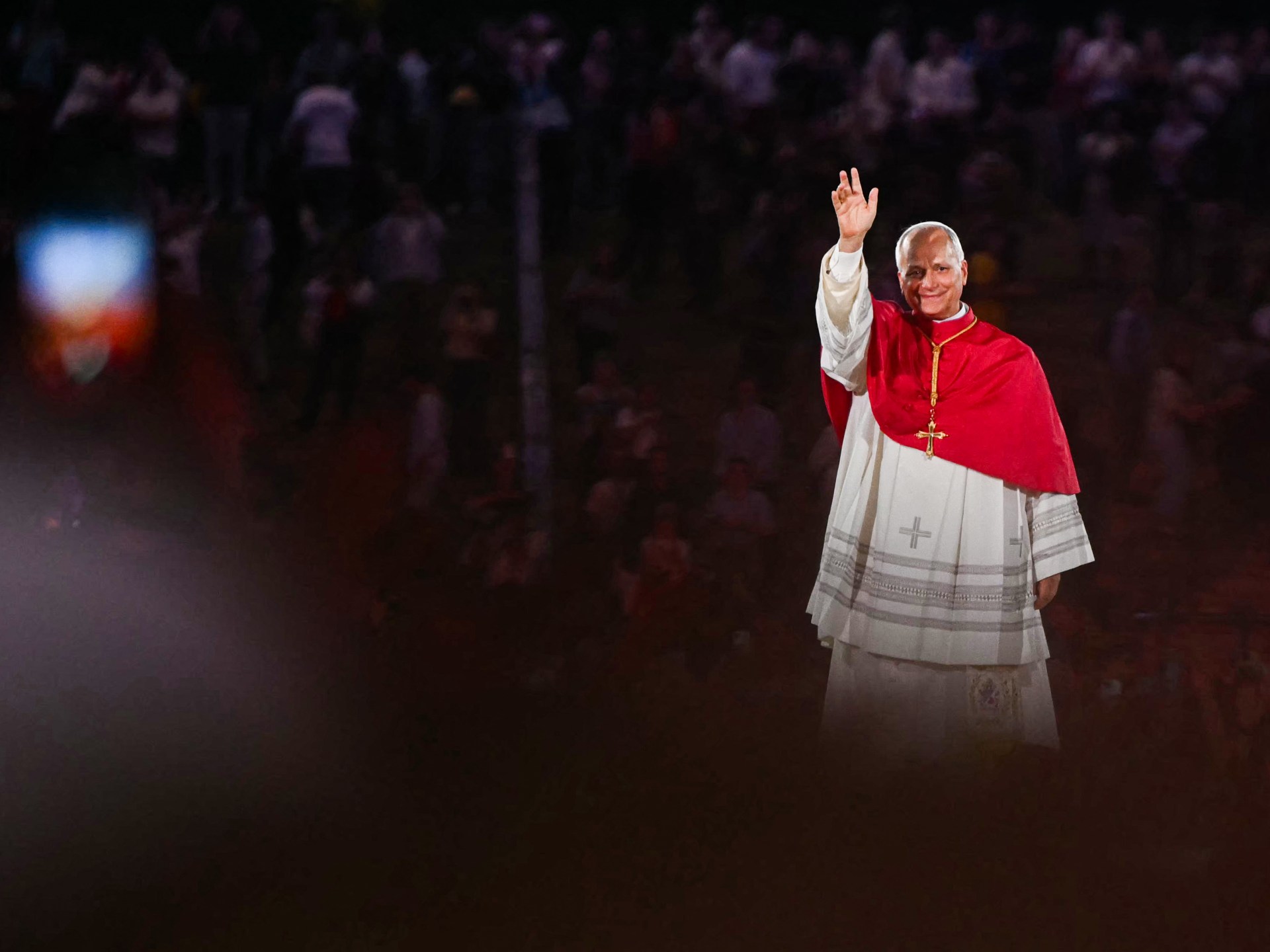
In a momentous address delivered at the Elysee Palace in Paris, Pope Leo XIV issued a profound warning regarding the rapid acceleration of artificial intelligence, cautioning the international community against the uncritical pursuit of a "paradise of machines." Addressing thousands of gathered citizens, diplomats, and dignitaries, the pontiff emphasized that humanity stands at a critical historical crossroads where technological capability threatens to outpace moral governance. The papal visit to France, a nation historically rooted in Enlightenment philosophy and secular governance, serves as a high-profile platform for the Vatican's expanding diplomatic engagement on global technological ethics. State actors and multilateral institutions are increasingly forced to grapple with the sovereignty and security implications of autonomous systems, algorithmic decision-making, and deepfake proliferation. This diplomatic intervention underscores a growing ideological rift between technocratic accelerationism and human-centric governance models across Western democracies and emerging economies alike.
Global Trade & Economic Ripples
The papal warning reverberates far beyond diplomatic circles, touching directly upon global commodity markets, technology supply chains, and international commerce. As artificial intelligence infrastructure demands unprecedented capital expenditure—particularly in energy-intensive data centers, advanced semiconductor manufacturing, and rare earth mineral sourcing—ethical scrutiny threatens to introduce new regulatory friction. Global energy markets, already strained by geopolitical transitions, face mounting pressure as AI computing requirements surge, driving up demand for reliable power generation from both traditional and renewable sources. Furthermore, international trade in high-tech components, logistics automation software, and financial trading algorithms could face stricter compliance mandates if European regulators leverage ethical frameworks inspired by such high-level moral critiques. Currency values and equity markets in major tech hubs may experience heightened volatility as investors recalibrate risk assessments to account for potential ethical roadblocks, state-enforced compliance costs, and shifting consumer sentiment regarding automated labor.
Related Intelligence: US Diesel Export Ban Threatens Global Energy Markets and Fuel Prices
International Reactions & Diplomatic Stances
Initial reactions from international bodies and market analysts reflect a complex mix of endorsement and defensive posture. Representatives from the United Nations welcomed the Vatican's moral clarity, noting parallels with ongoing UN initiatives to establish global governance frameworks for artificial intelligence. Conversely, industry advocacy groups and corporate executives within Silicon Valley and European tech corridors defended ongoing innovation cycles, arguing that advanced automation is indispensable for solving macro-level crises such as climate change and global health disparities. Financial analysts point out that while corporate stakeholders may downplay philosophical objections, institutional investors are increasingly incorporating environmental, social, and governance metrics that align closely with the ethical boundaries articulated by the Holy See. This tension highlights an expanding diplomatic battleground where religious and moral authorities wield soft power to shape international regulatory standards.
Strategic Outlook & Future Scenarios
Looking ahead, the trajectory of global AI governance will likely be defined by a series of upcoming international summits, including the next G20 ministerial meetings and specialized UN cyber-diplomacy forums. As nations vie for technological supremacy, the integration of ethical guardrails will remain a contentious point of negotiation, risking potential trade disputes and technology export controls between major economic blocs. Escalation points may emerge if developing nations push back against proprietary AI monopolies controlled by Western and Asian superpowers, demanding equitable access and robust ethical protections. Ultimately, Pope Leo XIV's address in Paris marks a pivotal moment in the geopolitical discourse surrounding technology, cementing ethical oversight as a non-negotiable pillar of future international relations and global economic strategy.
Join Our Official WhatsApp Channel
Receive live commodity alerts, policy changes, and commercial intelligence directly on WhatsApp.