
Russia Widens Airstrikes to Target Ukrainian Data Centers
President Zelenskyy reports a strategic shift in Russian airstrikes toward Ukrainian data centers, aiming to cripple national connectivity and digital commerce.
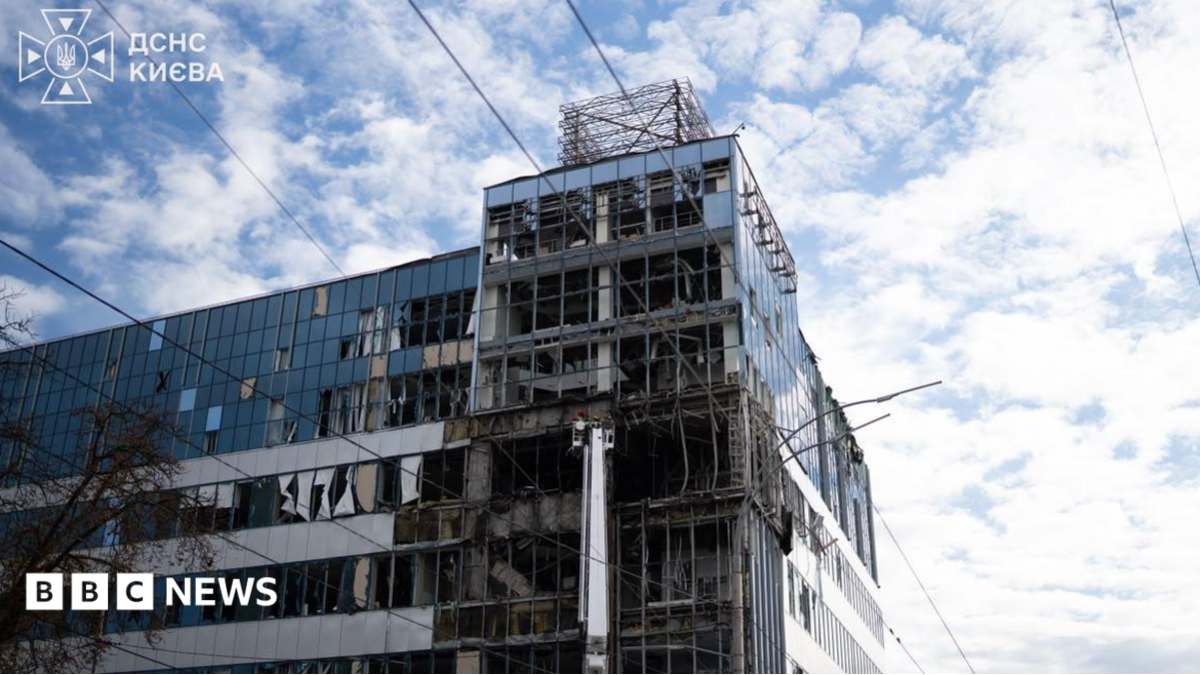
Geopolitical & Core Developments
Ukrainian President Volodymyr Zelenskyy has revealed a significant escalation in Russian military strategy, stating that Moscow has systematically widened its aerial bombardment campaign to target the nation's critical data centers and digital infrastructure. Speaking from Kyiv, the Ukrainian leader emphasized that these calculated strikes are designed to systematically undermine the civilian population's ability to remain connected, sustain remote employment, and maintain educational continuity. This tactical pivot represents an intensification of asymmetric warfare, moving beyond traditional energy grid degradation into the realm of digital incapacitation. Military analysts note that data centers serve as the backbone of modern state administration, financial transactions, and military communications, making them high-value targets in a protracted war of attrition. The expansion of these strikes underscores Moscow's intent to fracture Ukraine's internal cohesion by plunging its digital economy into darkness, compounding the physical devastation already inflicted upon urban centers and transportation corridors.
[Global Trade](/news/pm-shehbaz-demands-free-navigation-ungh-hormuz-bab-al-mandab) & Economic Ripples
The deliberate targeting of digital infrastructure carries profound implications for global trade, particularly within the burgeoning tech-outsourcing, software development, and agricultural tech sectors where Ukraine plays a vital auxiliary role. Multinational corporations relying on Ukrainian engineering talent and cloud-routing infrastructure are currently scrambling to implement failover protocols to prevent severe supply chain disruptions. Furthermore, the persistent degradation of Ukraine's domestic infrastructure exerts upward pressure on global commodity markets by introducing systemic friction into grain export logistics, fintech verification systems, and maritime insurance pricing. Financial markets have responded with cautious vigilance, as repeated strikes on foundational technology assets signal that the conflict's economic aperture is widening. Investors are re-evaluating sovereign risk premiums across Eastern Europe, while energy and telecommunications conglomerates review physical security frameworks to safeguard interconnected cross-border data pipelines against collateral kinetic damage.
Related Intelligence: Netanyahu UN Address Deepens Diplomatic Rifts and Shakes Commodity Markets
International Reactions & Diplomatic Stances
International bodies and Western allies have swiftly condemned the targeted assault on civilian digital infrastructure, characterizing the attacks as a blatant violation of international humanitarian law. Representatives from the United Nations and the European Union noted that weaponizing the digital ecosystem against civilian populations constitutes a dangerous precedent for modern conflicts. Cybersecurity alliances, including NATO-affiliated cyber defense units, have mobilized technical assistance teams to help Kyiv reinforce its digital perimeter against coordinated cyber-kinetic operations. Meanwhile, diplomatic capitals across North America and Europe are deliberating on expedited packages of sanctions targeting the supply chains that enable Russia's precision-guided munitions production. Market analysts emphasize that these diplomatic measures will likely tighten export controls on dual-use semiconductors, telecommunications hardware, and server components, further isolating Russian state enterprises from global technological supply chains.
Strategic Outlook & Future Scenarios
As the conflict enters a brutal winter phase, the strategic trajectory points toward an increasingly hybridized battlefield where kinetic missile strikes and cyber warfare operate in tandem. The resilience of Ukraine's decentralized cloud architecture and satellite-linked internet providers will be rigorously tested as Moscow attempts to achieve total digital isolation. Upcoming international summits focusing on economic recovery and cybersecurity resilience are expected to prioritize emergency funding for infrastructure hardening and rapid data migration initiatives. Failure to adequately protect these digital nodes risks permanent structural damage to Ukraine's post-war economic viability, potentially creating a prolonged refugee crisis driven by sustained economic disenfranchisement. Consequently, allied defense strategies must evolve to integrate robust physical air defense shields around critical data hubs, ensuring that the digital arteries of international commerce remain operational amidst ongoing hostilities.
Join Our Official WhatsApp Channel
Receive live commodity alerts, policy changes, and commercial intelligence directly on WhatsApp.