
Cuba Condemns US Sanctions as Trump Signals Potential Bilateral Deal
Havana has lashed out at Washington over intensifying economic sanctions, even as President-elect Donald Trump predicts a future diplomatic breakthrough between the two nations.
Geopolitical & Core Developments
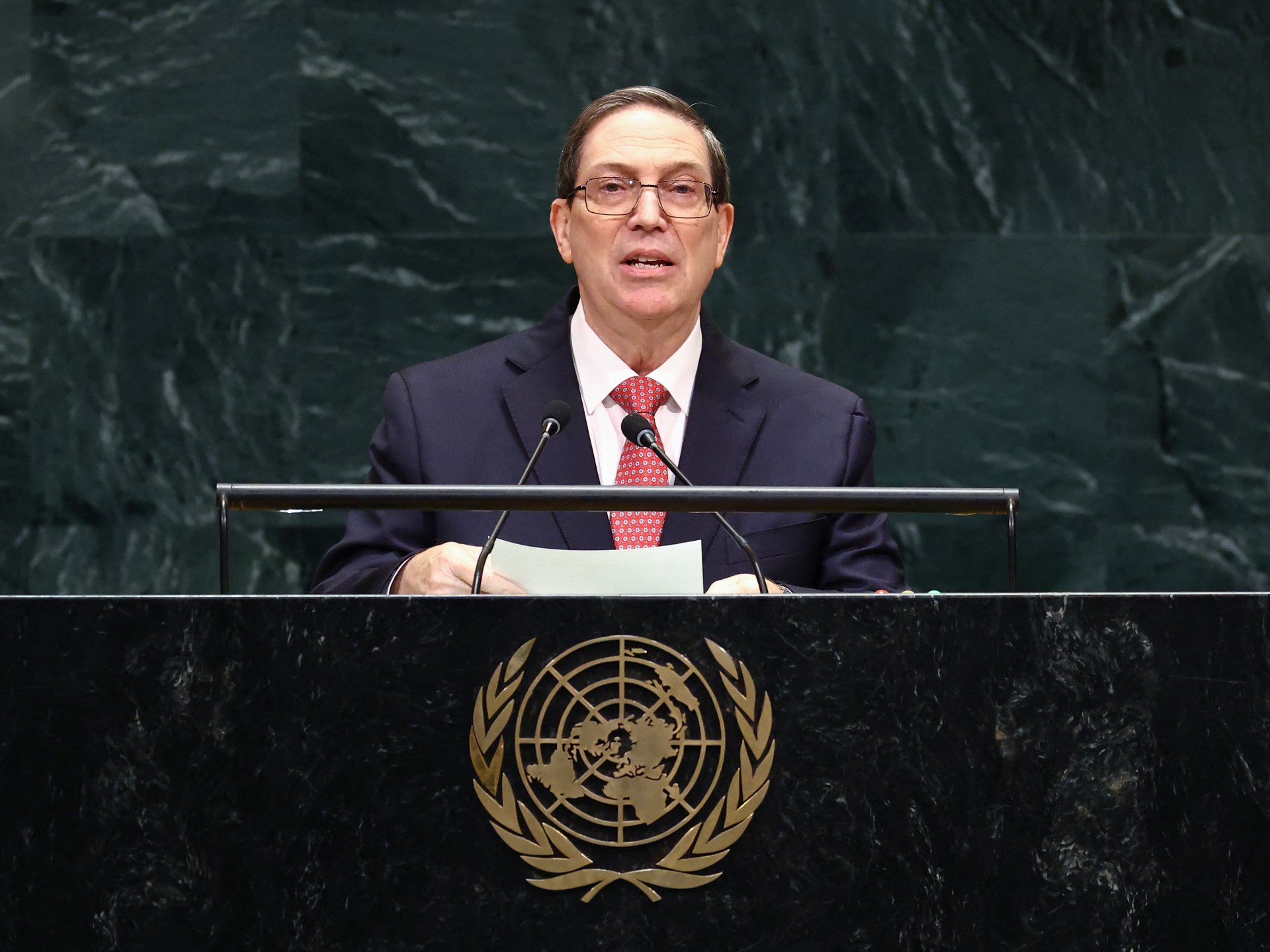
Tensions between Washington and Havana have escalated sharply following intense diplomatic exchanges at the United Nations. Cuban Foreign Minister Bruno Rodriguez vehemently denounced US economic policies, characterizing the ongoing embargo and financial restrictions as a form of "collective punishment" designed to inflict suffering on the civilian population. This fierce rebuke follows recent pronouncements by US representatives at the UN asserting that "freedom will be coming" to the island nation, signaling a hardening ideological stance from outgoing American diplomatic channels.
However, the geopolitical matrix has been further complicated by statements from incoming US President Donald Trump. Breaking from traditional diplomatic orthodoxies, Trump publicly predicted that a comprehensive deal could be struck between Washington and Havana during his upcoming administration. This duality—combining stringent economic containment with overtures for transactional negotiation—creates a complex strategic environment for the Cuban leadership, which must navigate severe domestic economic distress while weighing the credibility of potential backchannel overtures.
Global Trade & Economic Ripples
The ongoing standoff holds significant implications for global trade, particularly regarding Caribbean shipping lanes, energy security, and regional commodity flows. Cuba's chronic fuel shortages, exacerbated by strict US maritime and financial sanctions, have severely restricted the island's importing capacity for refined petroleum products and agricultural commodities. Major energy suppliers in Latin America face mounting compliance risks as Washington enforces secondary sanctions against entities engaging in non-exempt commercial transactions with Havana.
Furthermore, supply chain disruptions rippling through the Caribbean basin affect broader hemispheric trade routes. Financial institutions worldwide maintain an exceptionally cautious posture regarding trade finance for Cuban counterparties, stifling liquidity and driving up transaction costs across the board. Any sudden shift in US policy toward normalization could instantly unlock latent demand for construction materials, agricultural foodstuffs, and energy infrastructure investments, radically transforming regional trade dynamics.
Related Intelligence: Venezuela Accords Set Stage for Judicial Overhaul and Energy Realignment
International Reactions & Diplomatic Stances
The international community remains sharply divided over the efficacy and legality of the US embargo against Cuba. Multilateral bodies, including the United Nations General Assembly, have overwhelmingly voted year after year to condemn the economic blockade, citing severe humanitarian impacts on healthcare, education, and basic consumer goods. European Union representatives have similarly criticized extraterritorial US sanctions that penalize European firms engaging in legitimate commerce with the island.
Conversely, hardline domestic factions within the United States, particularly within the influential diaspora community in Florida, argue that maintaining maximum economic pressure is essential to compel democratic reforms and human rights concessions from the single-party state. Market analysts and geopolitical risk consultants note that international shipping and insurance firms continue to price in substantial regulatory premiums when operating within the Cuban jurisdiction, reflecting persistent compliance uncertainties.
Strategic Outlook & Future Scenarios
Looking ahead, the trajectory of US-Cuba relations under the incoming Trump administration hinges on whether pragmatic deal-making will supersede ideological containment. While Trump has previously rolled back Obama-era normalization steps, his transactional approach to foreign policy leaves open the possibility of conditional negotiations if Havana offers concessions on political prisoners or regional security alignments.
Geopolitical escalation points remain centered around energy imports, foreign debt restructuring, and potential migration surges if domestic economic conditions deteriorate further. Multilateral observers suggest that any substantive bilateral dialogue will require meticulous backdoor diplomacy to bridge the deep-seated mistrust between the two capitals. Until such a framework emerges, global markets must continue to factor in persistent sanctions risk and regional instability across the wider Caribbean basin.
Join Our Official WhatsApp Channel
Receive live commodity alerts, policy changes, and commercial intelligence directly on WhatsApp.