
UK Palestinian Statehood Recognition Reshapes Middle East Geopolitics and Trade
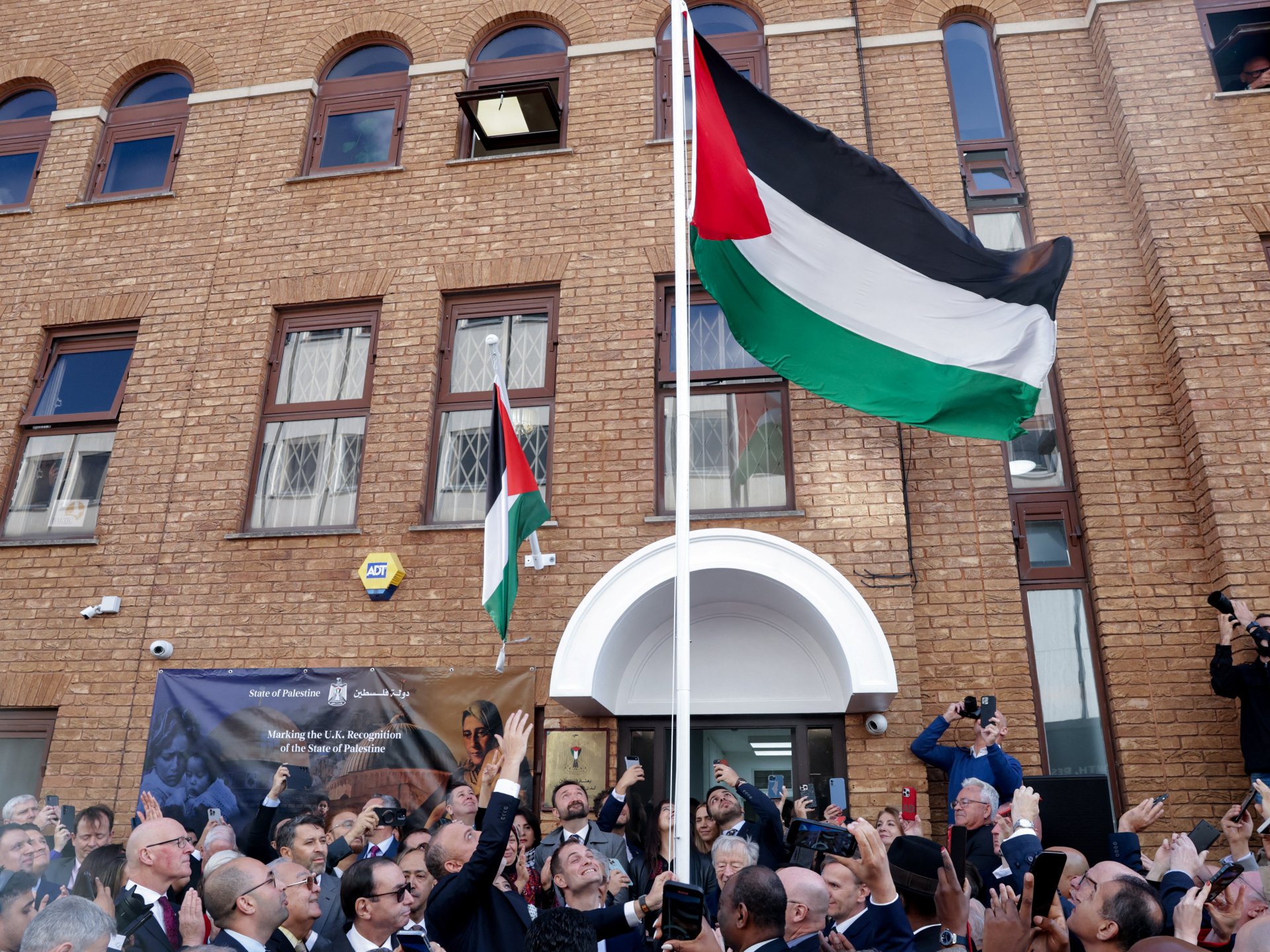
One year after London's historic recognition of Palestinian statehood, the British government is operationalizing diplomatic frameworks, sending profound ripples through Middle Eastern geopolitics and international commodity markets.
Geopolitical & Core Developments
One year following the United Kingdom's landmark formal recognition of Palestinian statehood, Whitehall is actively shifting from symbolic diplomacy to rigorous policy implementation. The initial announcement, which marked a significant pivot in British foreign policy under the current administration, has graduated into a structured diplomatic framework aimed at cementing a two-state reality on the ground. State actors across Western Europe are closely monitoring London's playbook as diplomatic missions are upgraded and bilateral agreements are recalibrated to reflect the new legal and political status of Palestinian institutions.
The strategic stakes extend far beyond bilateral relations. By embedding statehood recognition into practical governance, security, and institutional capacity-building initiatives, the UK is challenging traditional diplomatic stalemates. The timeline over the past twelve months has seen London spearhead multilateral working groups focused on transitional governance, judicial reform, and economic self-sufficiency for the Palestinian Authority. These developments have fundamentally altered the diplomatic architecture of the Levant, compelling regional and international stakeholders to adapt to a new paradigm where Palestinian sovereignty is treated as an operational baseline rather than a distant aspirational goal.
Global Trade & Economic Ripples
The deepening of British policy commitment carries substantial weight for global trade, commodity pricing, and maritime logistics in the Eastern Mediterranean. While direct trade volumes between the UK and Palestinian territories remain modest, the geopolitical friction generated by these diplomatic shifts directly impacts broader Middle Eastern energy corridors, sovereign risk assessments, and investor confidence across the Levant.
Energy markets and shipping lanes remain highly sensitive to regional stability. As diplomatic alignments shift, marine insurers, major shipping conglomerates, and energy multinationals are continuously reassessing risk premiums for vessels transiting the Eastern Mediterranean and the Suez Canal corridor. Currency values, particularly the British Pound and regional currencies, have experienced subtle volatility tied to geopolitical risk indices. Furthermore, international trade financiers are closely scrutinizing how regulatory compliance, export-import controls, and customs jurisdictions evolve as Palestinian institutions gain enhanced international recognition, potentially opening new channels for specialized agricultural and technology commerce.
Related Intelligence: Trump Rejects Iran Strait Roadmap as Energy Markets Brace for Volatility
International Reactions & Diplomatic Stances
International response to the consolidation of Britain's policy has exposed enduring divisions while galvanizing new coalitions. The United Nations has welcomed London's transition from rhetoric to actionable policy, with specialized agencies citing the British framework as a constructive model for capacity building. Conversely, reaction from traditional regional adversaries and select Western capitals has been marked by cautious pushback or outright diplomatic friction, underscoring the delicate balancing act required to maintain broader coalition stability.
Market analysts and geopolitical risk consultancies note that international financial institutions are beginning to price in the long-term structural changes associated with Palestinian statehood. Multilateral bodies, including the European Union and the World Bank, are evaluating parallel adjustments to their own financial assistance and trade preference agreements. These shifts suggest that London's policy trajectory is exerting gravitational pull on other major economies, gradually reshaping the consensus among G7 foreign ministries regarding Middle Eastern stabilization.
Strategic Outlook & Future Scenarios
The trajectory over the coming year will likely be defined by upcoming international summits, high-level donor conferences, and potential diplomatic escalation points. As the UK pushes for expanded international recognition and formal bilateral trade treaties, policymakers anticipate increased pressure on other G7 nations to follow suit or risk diplomatic isolation on the issue.
Key escalation points include prospective legal challenges at international tribunals regarding resource access, maritime boundaries, and trade jurisdiction in the eastern basin. Furthermore, upcoming multilateral summits will serve as litmus tests for whether London's policy can successfully unlock frozen peace processes or prompt retaliatory economic measures from opposing regional actors. Strategic planners in both governmental and corporate sectors must prepare for a protracted period of regulatory realignment, where geopolitical diplomacy and commercial market access remain inextricably linked.
Join Our Official WhatsApp Channel
Receive live commodity alerts, policy changes, and commercial intelligence directly on WhatsApp.