
Iran Rebuffs Western Nuclear Proposals as Regional War Risks Escalate
Tehran has declared it has nothing new to offer Washington after rejecting recent mediation proposals, intensifying diplomatic friction and heightening war risks across the Middle East.
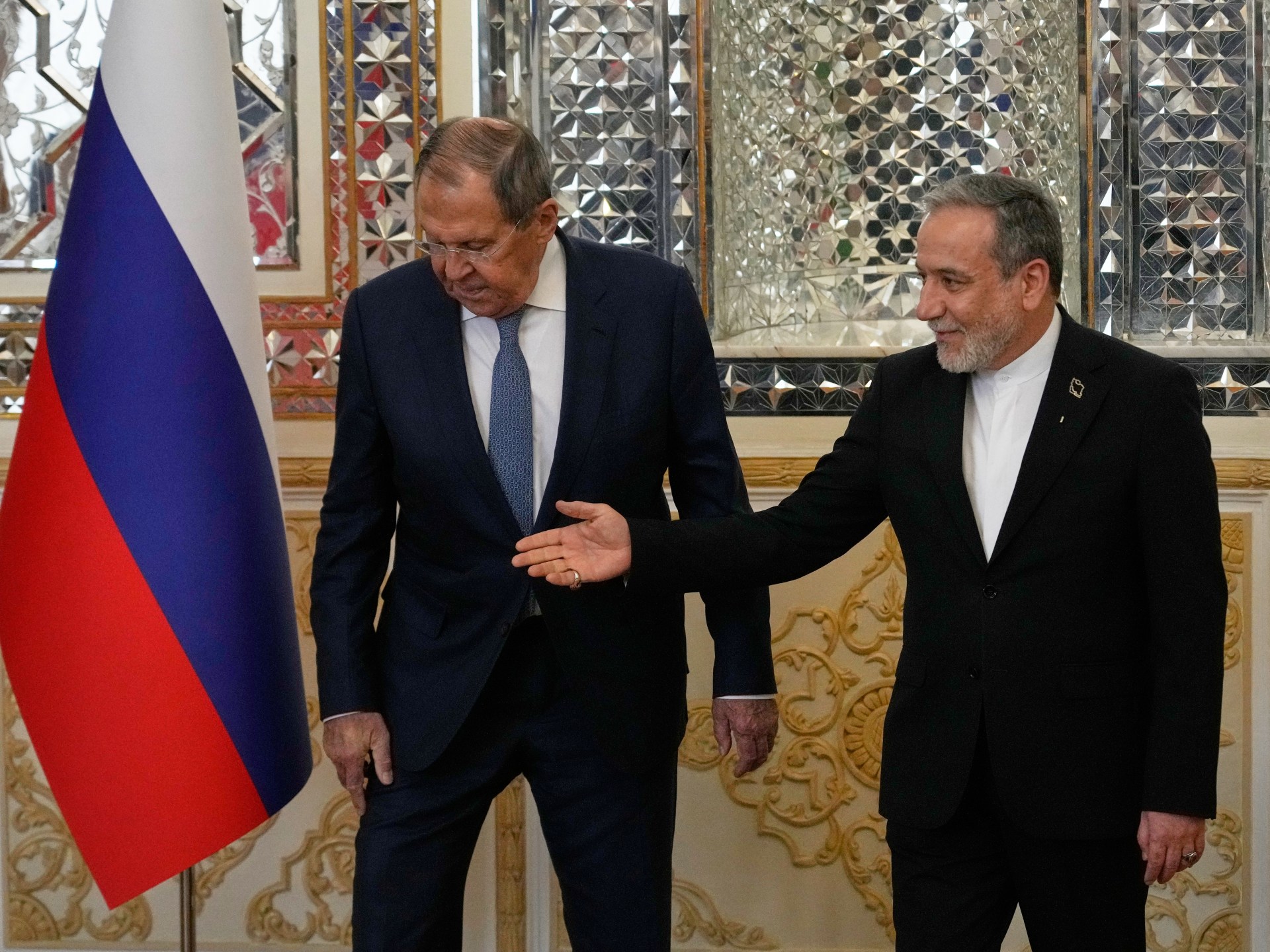
Geopolitical & Core Developments
Diplomatic channels between Tehran and Washington faced another critical impasse this week as Iranian officials indicated they had no new concessions to offer regarding their expanding enriched uranium stockpiles. Following an intensive round of backchannel meetings facilitated by regional mediators, Tehran maintained that its nuclear program remains sovereign and non-negotiable under existing coercive conditions. This firm posture comes amid escalating military tensions across the Middle East, with intelligence assessments and diplomatic sources warning of heightened odds of direct regional confrontation.
The strategic friction centers on Iran's continued enrichment of uranium to levels near weapons-grade purity. Western delegations had floated proposals offering targeted sanctions relief in exchange for verifiable caps on enrichment and broader international oversight. However, Iranian officials reaffirmed that domestic strategic calculations prioritize nuclear deterrence and sovereignty over conditional agreements. With diplomatic engagements yielding no tangible de-escalation, regional security architectures are being placed on high alert as allied forces reposition assets in adjacent maritime corridors.
Global Trade & Economic Ripples
The immediate consequence of the diplomatic stalemate was felt across international energy markets. Brent crude and West Texas Intermediate experienced sharp upward price revisions as commodity desks priced in a broader geopolitical risk premium. Analysts caution that any military miscalculation directly endangers transit through the Strait of Hormuz, an essential arterial chokepoint through which roughly one-fifth of global petroleum liquids pass daily.
Beyond crude benchmarks, the escalating friction threatens commercial shipping operations and maritime insurance rates throughout the Persian Gulf and the Red Sea. Marine underwriters have revised war-risk premiums upward, translating to inflated freight rates that compound existing logistics pressures for Asian and European supply chains. Furthermore, heightened regional volatility is influencing sovereign credit assessments and stabilizing high demand for safe-haven assets, including gold and the United States dollar, while testing the economic resilience of import-dependent developing economies.
Related Intelligence: Pakistan and Maldives Deepen Bilateral Defence and Economic Ties in Islamabad
International Reactions & Diplomatic Stances
Multilateral bodies and world capitals responded with acute concern over the stalled dialogue. Representatives from the International Atomic Energy Agency reiterated calls for transparent cooperation, noting that unverifiable stockpiles significantly undermine collective non-proliferation frameworks. Western officials, led by Washington and European troika partners, voiced disappointment over Tehran's refusal to engage constructively, reiterating that diplomatic avenues, while preferred, will not remain open indefinitely.
Conversely, regional interlocutors urged both parties to avoid escalatory rhetoric that could trigger a cascading security dilemma. Diplomatic missions from neutral Gulf states stressed that diplomatic engagement remains the only viable mechanism to secure long-term maritime safety and economic stability. Energy sector analysts underscored that sustained institutional gridlock between major geopolitical actors leaves regional supply networks uniquely vulnerable to sudden asymmetric disruptions.
Strategic Outlook & Future Scenarios
Looking forward, the diplomatic trajectory appears increasingly restricted. In the absence of an off-ramp, Western coalitions are anticipated to tighten unilateral sanctions, focusing on secondary enforcement against logistics networks facilitating Iranian crude exports. Such economic measures are likely to be met with reciprocal posturing, including accelerated enrichment operations and enhanced naval exercises in vital waterways.
The primary concern for international observers remains the shrinking margin for error. A minor tactical confrontation or miscalculated intelligence operation could trigger widespread conventional engagements, drawing in regional states and global superpowers alike. Unless an alternative diplomatic architecture emerges in forthcoming international forums, commercial markets and global energy conduits will remain subject to severe volatility driven by sustained geopolitical standoff.
Join Our Official WhatsApp Channel
Receive live commodity alerts, policy changes, and commercial intelligence directly on WhatsApp.