
Peshawar Reopens Schools and Transit Systems Following Acute Administrative Disruption
Peshawar's district administration has ordered the reopening of schools and the restoration of Bus Rapid Transit operations following disruptive closures and political uncertainty across Khyber Pakhtunkhwa.
The Core Development
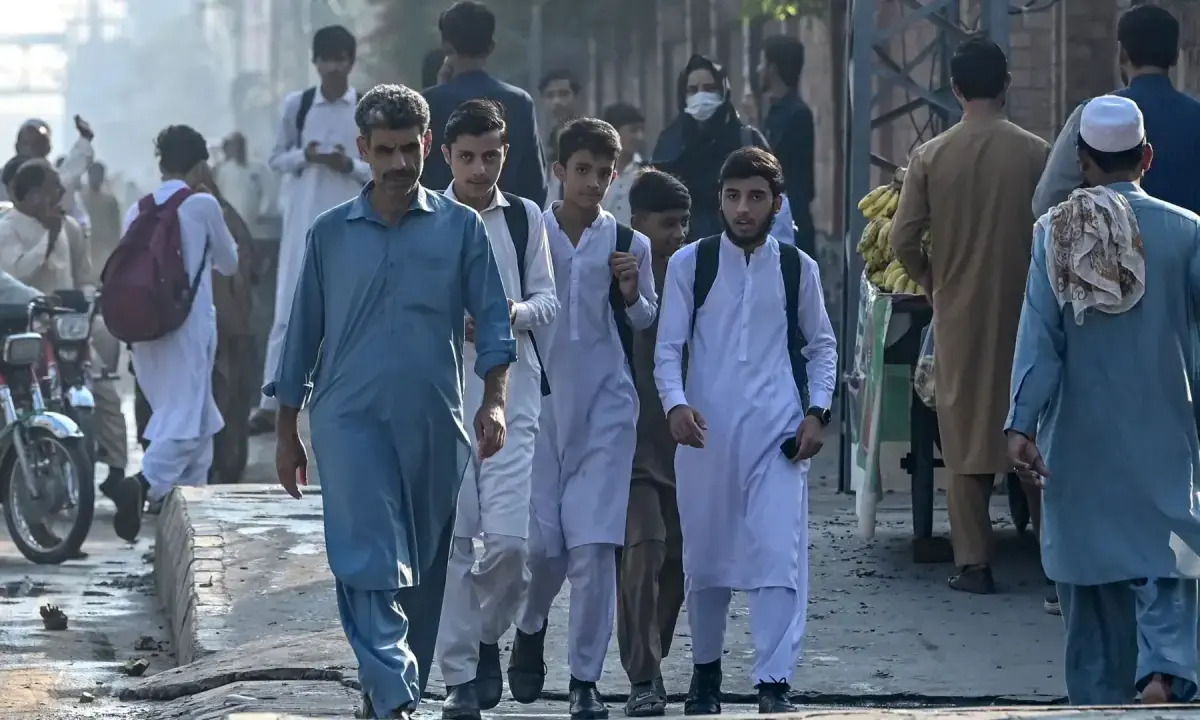
The district administration of Peshawar has officially announced the reopening of all public and private educational institutions across the provincial capital, alongside the full restoration of the Bus Rapid Transit (BRT) network. The decision, issued by the office of the Deputy Commissioner, reverses emergency shutdowns prompted by severe logistical blockades and political volatility tied to the constitutional imposition of governor's rule in Khyber Pakhtunkhwa.
Authorities actively dispelled widespread misinformation circulating on digital networks, cautioning citizens against unverified notifications and social media rumours regarding extended closures. On Monday, urban movement ground to an effective halt as arterial corridors were cordoned off with heavy law enforcement deployment, particularly near sensitive demarcations where the Cantonment jurisdiction begins. Simultaneously, TransPeshawar, the metropolitan transit operator, confirmed that standard fleet operations on the BRT network would resume uninterrupted on all primary and feeder routes. To maintain civil order, the district administration has instituted rigorous restrictions under legal frameworks barring unauthorized gatherings and protests.
Commercial & Economic Implications
The sudden cessation and subsequent resumption of commercial mobility in Peshawar underscores the fragile equilibrium of Khyber Pakhtunkhwa's regional economy. Municipal transport suspensions instantly affect hundreds of thousands of daily commuters, paralyzing the urban workforce and freezing retail foot traffic. The operational resumption of the BRT network is particularly critical, as it serves as the spine for intra-city commerce, ferrying retail employees, small-scale entrepreneurs, and consumers between peripheral settlements and core trade markets.
For wholesale merchants, commercial distributors, and supply-chain logistics networks, the intermittent blockades caused localized distribution lags. Although short-lived, transport shutdowns in provincial capitals introduce friction in fast-moving consumer goods delivery schedules, elevating inventory holding costs and dampening spot sales in high-density bazaars. With urban access points reopened, wholesale trade hubs in inner Peshawar are positioned to normalize supply flows, mitigating localized price volatility on sensitive consumer staples that frequently spikes during periods of civil restriction.
Stakeholder Perspectives & Market Reactions
The business and civil community has met the normalization directive with cautious relief. Trader associations across Peshawar's central trading hubs had voiced concern over prolonged political paralysis, noting that sustained closures inevitably depress daily enterprise revenues and undermine broader investor sentiment in the region. Chamber representatives have continuously advocated for unhindered transit channels, emphasizing that commercial corridors must remain insulated from administrative interventions.
Similarly, academic bodies and civil society representatives highlighted the cumulative disruption facing students and working families. The abrupt imposition of security checkpoints had left transport networks stranded, prompting widespread commuter distress. Public response has largely favored the swift restoration of mass transit, though ongoing municipal bans on assembly reflect lingering underlying tensions between administrative authorities and political stakeholders.
Forward Outlook & Key Watchpoints
The near-term trajectory for Peshawar hinges on the administrative durability of the current security framework. While transit operations and academic calendars have reverted to regular status, heightened surveillance around critical infrastructure and institutional perimeters indicates that security deployments will remain active. Key watchpoints for enterprise operators and market analysts include compliance with municipal assembly restrictions, the continuity of inter-district freight routes, and administrative governance under the ongoing constitutional framework in Khyber Pakhtunkhwa.
Should political friction subside without recurring blockades, wholesale distribution networks and retail market turnovers are expected to stabilize swiftly. Conversely, any renewal of administrative shutdowns or transport strikes would immediately threaten supply integrity, testing the resilience of Khyber Pakhtunkhwa's consumer supply chains and broader business confidence.
Join Our Official WhatsApp Channel
Receive live commodity alerts, policy changes, and commercial intelligence directly on WhatsApp.