
Ethiopian Troops Advance into Strategic Tigray Town of Adwa
Ethiopian federal forces and allied militias have captured the strategic Tigrayan town of Adwa, reshaping battlefield dynamics ahead of anticipated peace talks while regional supply chains and humanitarian corridors face continued disruption.
Geopolitical & Core Developments
Ethiopian federal forces and allied combatants have entered the historic town of Adwa in the northern Tigray region, according to diplomatic sources and local witnesses, marking a pivotal shift in the protracted conflict between the federal government in Addis Ababa and the Tigray People's Liberation Front (TPLF). The capture of Adwa comes on the heels of federal forces consolidating control over Shire, a major humanitarian and logistics hub, and Axum, further compressing the defensive perimeter maintained by Tigrayan forces.
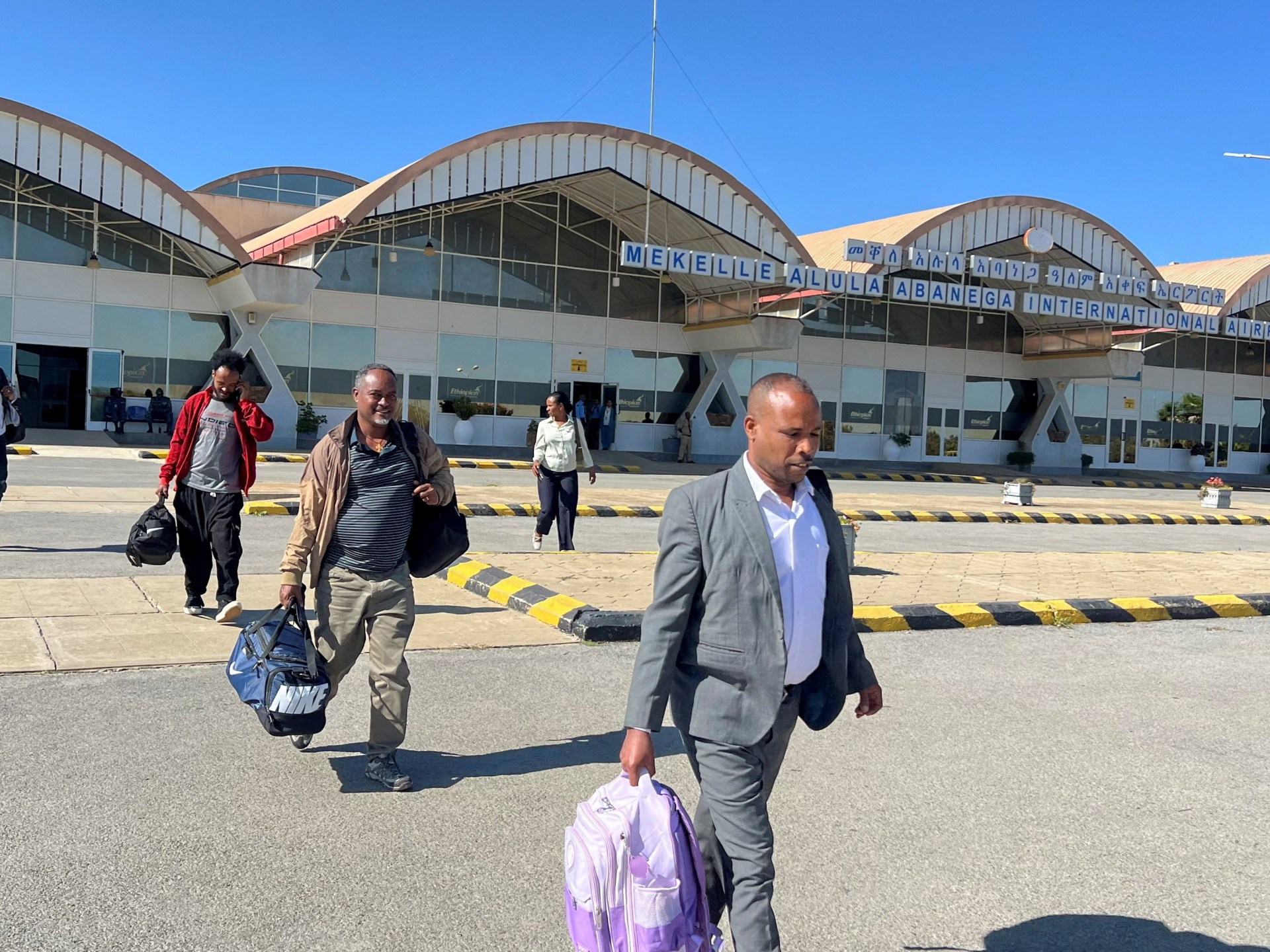
The military advance coincides with operational maneuvers aimed at securing vital highway junctions that link Tigray to central Ethiopian distribution networks and neighboring Eritrea. While federal authorities have framed the operation as a targeted effort to reassert constitutional order and protect national infrastructure, the rapid escalation has intensified international scrutiny regarding civilian safety and the preservation of historic cultural centers. Simultaneously, state-owned Ethiopian Airlines announced a tentative resumption of commercial flights to Tigray's regional capital, Mekelle, signaling federal intentions to re-establish civil governance mechanisms amid active kinetic engagements in outlying sectors.
Global Trade & Economic Ripples
The destabilization of northern Ethiopia continues to exert indirect pressure across the broader Horn of Africa, an essential trade corridor flanking the Red Sea and the Bab al-Mandab Strait. Ethiopia represents East Africa's largest landlocked economy, and persistent hostilities have disrupted inland transport corridors, increased sovereign debt yields, and accelerated inflationary pressures on essential foodstuffs and fuel across the domestic market.
Agricultural output in northern Ethiopia, historically a vital source of regional grain production and sesame exports, remains severely depressed due to displacement and disrupted planting cycles. Foreign direct investment into Ethiopia's industrial parks, once a cornerstone of the country's export-led manufacturing strategy, has seen sustained stagnation as international apparel and textile conglomerates reassess sovereign risk. Furthermore, logistics operators across the Djibouti-Addis Ababa corridor have faced fluctuating transport insurance premiums and intermittent logistical bottlenecks tied to military security measures.
Related Intelligence: Iran-Saudi Talks on Yemen Signal Strategic Pivot Amid Red Sea Disruptions
International Reactions & Diplomatic Stances
The advance on Adwa has drawn urgent calls for an immediate cessation of hostilities from multilateral bodies and foreign capitals. The United Nations and humanitarian agencies have expressed grave concern over the humanitarian fallout, highlighting that hundreds of thousands of civilians remain cut off from medicine, fuel, and food supplies due to active combat zones.
The African Union Commission has repeatedly urged both sides to commit unconditionally to formal peace negotiations under the auspices of AU High Representative Olusegun Obasanjo. Officials in Washington and Brussels have signaled that punitive economic tools, including targeted sanctions and the continued suspension of trade privileges under the African Growth and Opportunity Act (AGOA), remain active levers should hostilities jeopardize civilian infrastructure. Meanwhile, regional actors in the Horn of Africa have closely monitored the posture of Eritrean defense forces, whose continued operational integration with federal troops remains a focal point of diplomatic contention.
Strategic Outlook & Future Scenarios
The trajectory of the conflict hinges on whether the federal coalition can convert battlefield gains into diplomatic leverage during upcoming AU-mediated peace talks, or whether Tigrayan forces will pivot toward asymmetrical insurgent warfare across mountainous terrain. If federal forces successfully establish durable checkpoints around Adwa and contiguous arterial routes, the TPLF's operational capacity to sustain conventional territorial defense will be severely impaired.
Key forward indicators include the degree of unhindered humanitarian access permitted into newly captured zones, the durability of commercial transport corridors connecting Mekelle to the national grid, and the willingness of international lenders to engage in restructuring Ethiopia's external debt obligations. A negotiated ceasefire remains the primary prerequisite for macro-fiscal stabilization, foreign exchange liquidity normalization, and the reintegration of Ethiopia's domestic markets into broader East African trade corridors.
Join Our Official WhatsApp Channel
Receive live commodity alerts, policy changes, and commercial intelligence directly on WhatsApp.