
Stolen Renoir Masterpieces Recovered in France as Police Thwart Secondary Heist
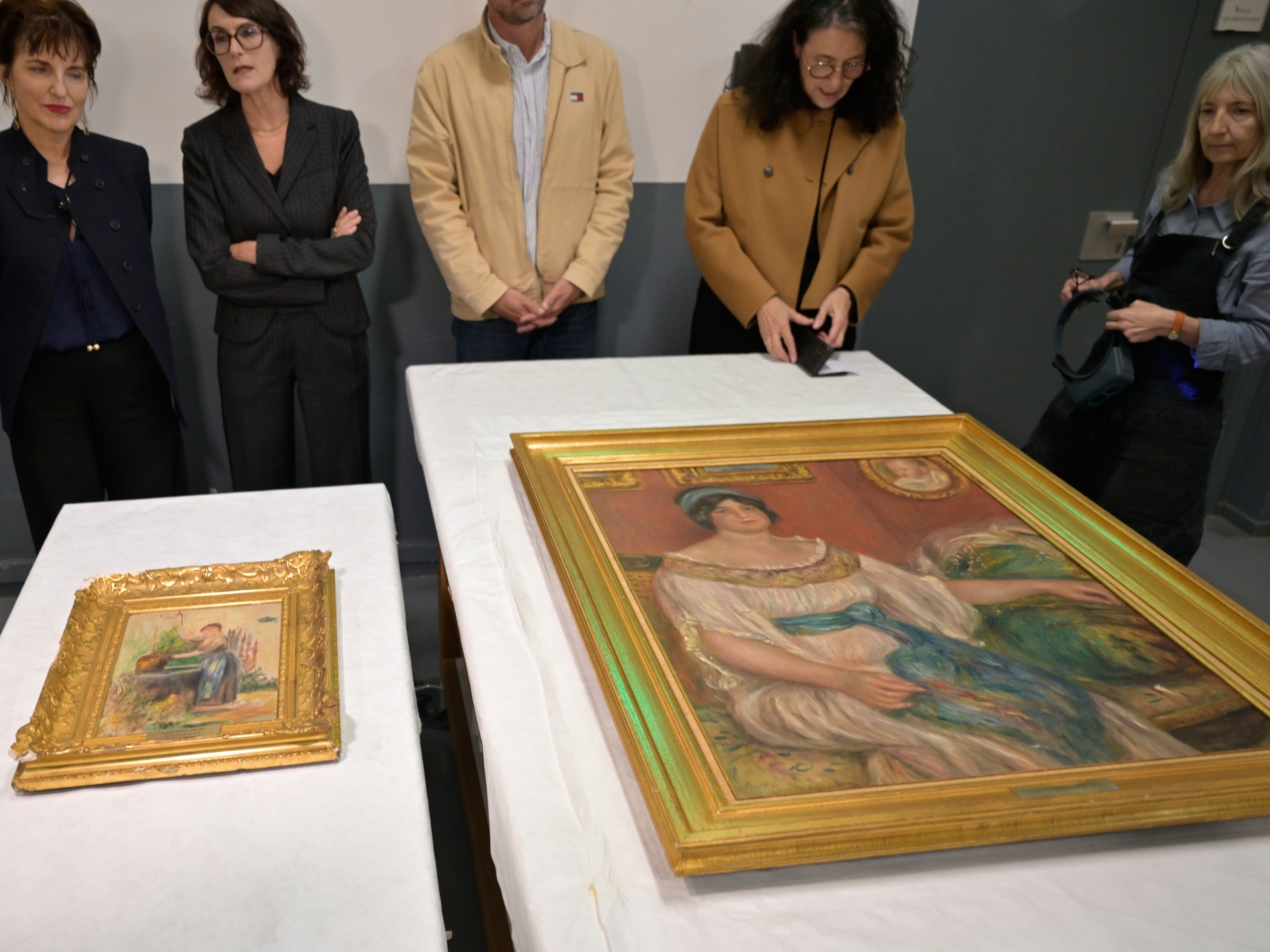
French authorities have recovered stolen Pierre-Auguste Renoir paintings hidden behind a false wall, arresting suspects who prosecutors say were plotting an imminent second robbery targeting high-value cultural assets.
Geopolitical & Core Developments
French law enforcement agencies and judicial authorities have successfully recovered stolen masterpieces by Impressionist icon Pierre-Auguste Renoir following a complex inter-agency investigation across multiple jurisdictions. The paintings, which were stolen in a high-profile heist, were discovered meticulously concealed behind a false wall during tactical raids on properties tied to a sophisticated criminal syndicate. According to public prosecutors leading the investigation, the suspects were apprehended just as logistical preparations for an imminent secondary cultural property robbery were reaching finalization.
The operation underscores the expanding operational reach of cross-border specialized task forces, including the French Central Office for the Fight against the Trafficking of Cultural Goods (OCBC) working alongside European judicial networks. Judicial sources noted that the syndicate demonstrated extensive reconnaissance capabilities, sophisticated anti-surveillance tradecraft, and established conduits for laundering black-market collateral. The thwarted secondary operation targeted another premier European cultural institution, revealing that illicit trade rings increasingly treat cultural heritage assets as liquid instruments within transnational criminal finance portfolios.
Global Trade & Economic Ripples
While cultural property cases are conventionally viewed through the lens of legal enforcement, the illicit trade in ultra-high-net-worth assets carries profound commercial implications for international financial transparency and institutional insurance markets. Valued in the tens of millions of euros, the Renoir works represent an asset class that is progressively targeted as alternative non-sovereign collateral to settle cross-border illicit balances, circumvent anti-money laundering protocols, and bypass established international financial monitoring systems.
Institutional insurers across Europe and North America are already reassessing risk premia for the physical transit and stationary warehousing of high-value cultural assets. Global specialty risk underwriters, already strained by heightened regional tensions and logistical disruptions across European transport hubs, are likely to mandate elevated physical security standards and forensic tracking protocols for private collections and municipal museums alike. Furthermore, the commercial nexus between illicit art laundering and shadowy capital flows continues to draw scrutiny from international regulators seeking to tighten compliance on auction houses, private freeports, and specialized escrow logistics worldwide.
Related Intelligence: Northern Israel Explosion Highlights Regional Risks and Commodity Market Vulnerabilities
International Reactions & Diplomatic Stances
Multilateral bodies and law enforcement organizations have issued coordinated statements commending the recovery while warning of persistent vulnerabilities across sovereign borders. Interpol's Works of Art unit emphasized that the dismantling of this network prevents substantial financial liquidity from circulating among illicit actors operating across continental transit corridors. European cultural ministries praised the swift action of the French judiciary, noting that the safeguarding of shared heritage requires sustained inter-state operational alignment.
Diplomatic observers note that European Union member states have recently renewed commitments to align national penal frameworks concerning transnational cultural asset trafficking. Legal analysts have highlighted that illicit cultural transactions frequently intersect with multi-layered criminal enterprises involved in narcotics and sanctioned-goods smuggling. Market watchdogs and transparency advocacy groups have reiterated calls for standardized European-wide digital title registries to prevent stolen cultural commodities from being absorbed into opaque private holdings or offshore trusts.
Strategic Outlook & Future Scenarios
Moving forward, the successful interdiction of this criminal operation will accelerate statutory efforts to close compliance loopholes across the continental European art market. Legislative bodies in Brussels and Paris are expected to advance stricter provenance-disclosure mandates, holding secondary-market dealers and logistics providers to the same stringent anti-money laundering thresholds applied to traditional banking and commodity brokerages.
As prosecutors prepare formal indictments, the trial is anticipated to reveal crucial intelligence regarding secondary fencing channels operating between European capitals and non-extradition offshore jurisdictions. Cultural institutions will inevitably shift toward higher baseline security spending, absorbing added operating expenditures at a time of broader fiscal restraint. The case stands as a definitive demonstration of law enforcement proactively disrupting complex physical heists before secondary execution, setting a benchmark for international cooperation against sophisticated illicit asset trafficking networks.
Join Our Official WhatsApp Channel
Receive live commodity alerts, policy changes, and commercial intelligence directly on WhatsApp.