
Pakistani National Killed in Riyadh Airport Houthi Missile Strike
A Houthi missile strike on Riyadh's international airport killed a Pakistani worker and injured 11, escalating regional conflict and threatening commercial trade corridors.
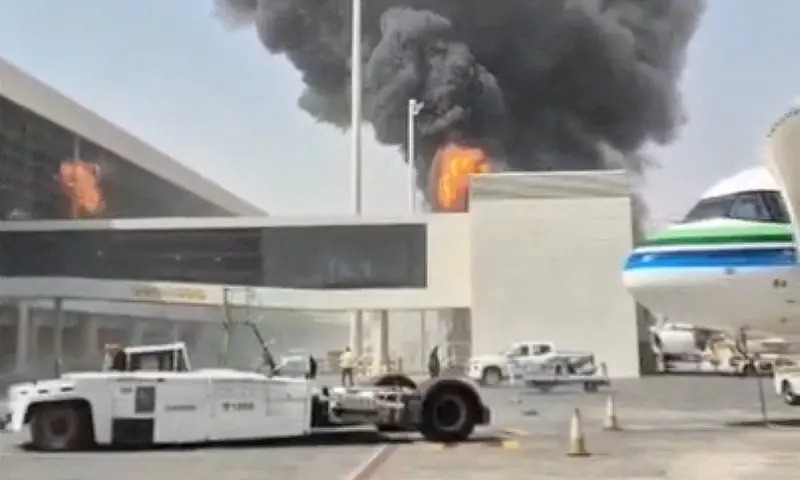
The Core Development
A fresh escalation in the protracted conflict in Yemen has directly impacted the expatriate workforce in the Gulf, as a targeted Houthi strike on Riyadh's King Khalid International Airport resulted in the tragic death of a Pakistani national and left 11 others wounded. The assault, confirmed by the Saudi-led coalition, involved a projectile that struck the aviation hub, sparking a localized fire while air defense systems intercepted an incoming missile nearby. This incident follows closely on the heels of another high-impact attack on Saturday—described by regional security analysts as the deadliest on Saudi soil in over a decade—which forced temporary suspension of operations at major aviation facilities. The Yemeni armed group claimed responsibility for multiple synchronized operations over a 24-hour window, explicitly designating civilian transit and trade hubs across the Kingdom as active theaters of operation. This aggressive posture marks a dangerous departure from localized skirmishes, introducing severe operational risks to critical civilian infrastructure that underpins regional mobility, labor migration, and transnational commerce.
Commercial & Economic Implications
For Pakistan's commercial landscape, the disruption of critical transit hubs in the Gulf carries immediate and profound economic ramifications. Riyadh and surrounding metropolitan centers serve as vital commercial nodes, not only for bilateral trade and labor migration but also as central transit corridors connecting South Asia with Western markets. The targeting of aviation and logistics infrastructure threatens to inflate airfreight and cargo insurance premiums, directly impacting wholesale distribution networks and retail import costs for essential commodities. Furthermore, elevated security threats across Middle Eastern airspace risk creating logistical bottlenecks, delaying supply chains for capital goods, energy imports, and manufactured products. For trading houses like Kalyar Traders, such macroeconomic shocks translate into heightened input volatility, unpredictable shipping schedules, and mounting inflationary pressures that ultimately trickle down to retail consumers across domestic markets.
Related Intelligence: Sudanese Mining Strike Casualties Ignite Regional Tensions and Commodity Fears
Stakeholder Perspectives & Market Reactions
Business councils, trade associations, and labor welfare organizations in both Pakistan and the Gulf have expressed profound concern over the escalating security paradigm. Expatriate welfare bodies have renewed urgent calls for enhanced diplomatic interventions and robust security guarantees to protect the millions of Pakistani workers whose remittances form a vital pillar of Pakistan's foreign exchange reserves. Meanwhile, regional chambers of commerce and logistics industry bodies are closely monitoring developments, warning that persistent threats to aviation and transit networks could trigger a broader reassessment of trade risk profiles. Legal and policy experts emphasize the urgent need for international maritime and aviation bodies to enforce strict deterrent measures against the targeting of civilian infrastructure, noting that prolonged instability will inevitably destabilize broader trade pacts and investment flows across the wider Middle East and South Asian corridors.
Forward Outlook & Key Watchpoints
As the security situation in the region remains highly volatile, stakeholders must maintain rigorous vigilance across several critical watchpoints over the coming weeks. Key indicators to monitor include the operational status and security hardening of Saudi transit hubs, potential policy shifts by the Saudi-led coalition, and diplomatic maneuvers within regional forums to de-escalate hostilities. For the commercial sector in Pakistan, tracking cargo insurance adjustments, freight rate fluctuations, and official advisories regarding expatriate worker safety will be paramount. If Houthi factions persist in targeting civilian and economic infrastructure, businesses must prepare contingency strategies to mitigate supply chain disruptions, diversify procurement routes, and safeguard against currency and commodity price volatility in an increasingly uncertain global market.
Join Our Official WhatsApp Channel
Receive live commodity alerts, policy changes, and commercial intelligence directly on WhatsApp.