
Pakistan Warns Houthi Threats to Holy Sites Cross Strategic Red Line
Pakistani Prime Minister Shehbaz Sharif warns that any Houthi attack on Islam's holiest sites crosses a vital strategic red line, as military chiefs from Islamabad, Riyadh, and Ankara forge closer defense ties.
Geopolitical & Core Developments
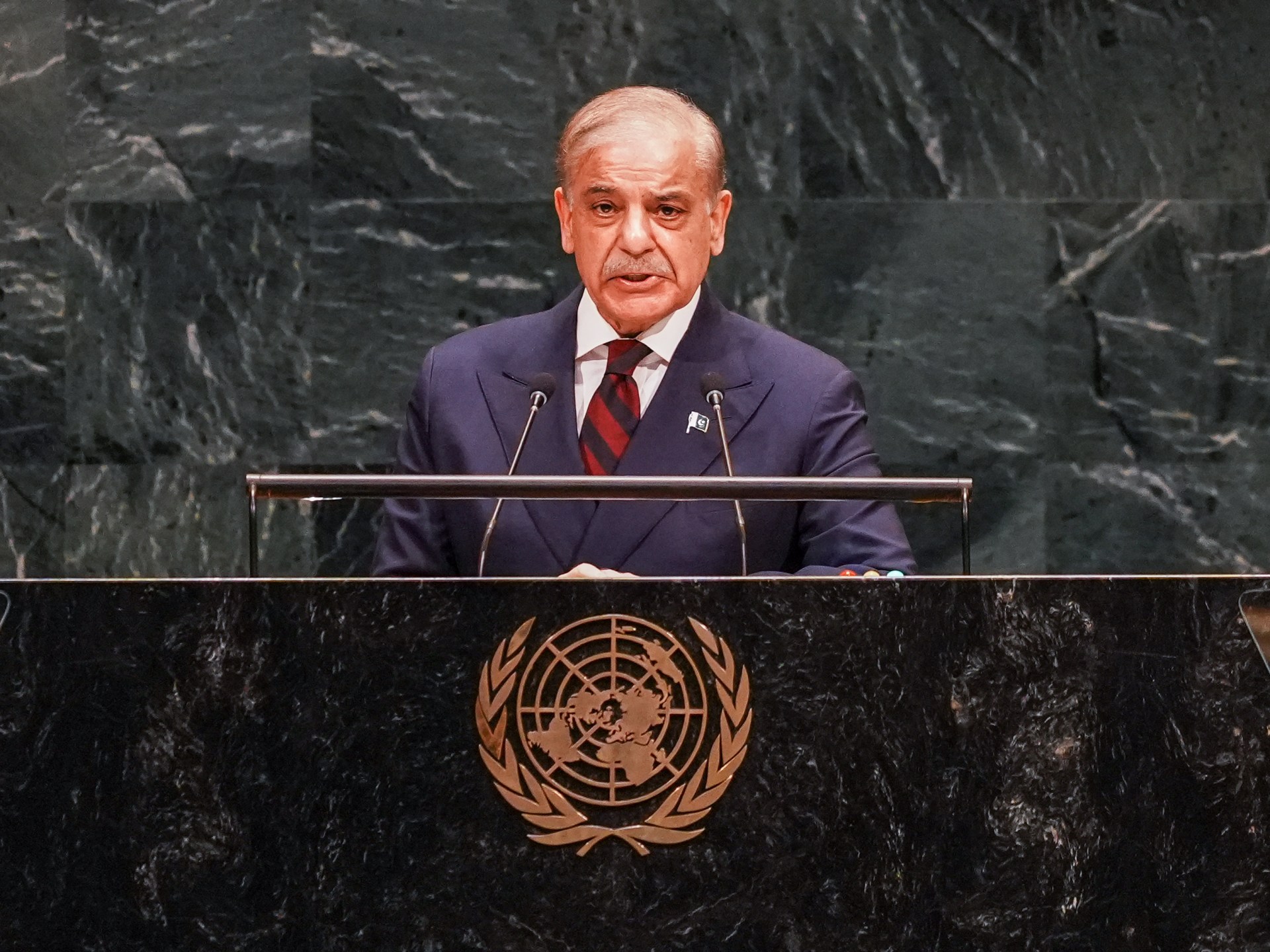
In a stern address to the international community, Pakistani Prime Minister Shehbaz Sharif warned that any Houthi militant aggression directed toward the holy sanctuaries of Mecca and Medina would constitute an unbearable provocation, crossing a definitive strategic red line for the global Islamic community. Speaking against the backdrop of escalating maritime volatility in the Red Sea basin, Sharif emphasized that the sovereignty and territorial integrity of the Kingdom of Saudi Arabia remain inextricably linked to broader regional security architectures.
This diplomatic posturing coincided with a high-level defense summit in Islamabad, where the commanding generals and defense ministers of Pakistan, Saudi Arabia, and Turkey convened behind closed doors. The tripartite consultations centered on operationalizing a comprehensive mutual defense pact and upgrading intelligence-sharing mechanisms. The convergence of these three formidable military powers signals a significant realignment in Middle Eastern and South Asian security diplomacy, designed to deter non-state actors from destabilizing vital strategic nodes and critical infrastructure across the Arabian Peninsula.
Global Trade & Economic Ripples
The rhetorical escalation directly intersects with the ongoing security crisis in the Bab el-Mandeb Strait, a critical maritime chokepoint through which a substantial portion of global energy supplies and dry bulk commodities transit. Persistent Houthi drone and missile campaigns have forced major international container shipping lines and energy conglomerates to reroute vessels around the Cape of Good Hope. This mandatory detour has structurally inflated global freight rates, added up to two weeks to Asia-Europe transit times, and injected sustained volatility into international energy and agricultural markets.
Commodity traders and institutional energy analysts are closely monitoring these military alignments. Any expansion of the conflict envelope to encompass direct threats against Saudi energy installations or sacred sites threatens to provoke an aggressive retaliatory posture. Such an escalation risks precipitating severe spikes in Brent crude benchmarks, disrupting liquefied natural gas flows, and compounding inflationary pressures across developing import-dependent economies. Global shipping insurers have responded by ratcheting up war-risk premiums for vessels navigating the Red Sea corridor, further penalizing international trade margins.
Related Intelligence: US Diesel Export Ban Threatens Global Energy Markets and Fuel Prices
International Reactions & Diplomatic Stances
International bodies and Western capitals have expressed mounting alarm over the deterioration of regional security dynamics. United Nations envoys have repeatedly called for immediate de-escalation, underscoring that maritime security in the southern Red Sea is indispensable for maintaining global supply chain resilience. While Western nations maintain their naval coalition patrols under Operation Prosperity Guardian, the direct involvement of Pakistan and Turkey introduces a complex regional diplomatic matrix.
Riyadh has welcomed the robust solidarity demonstrated by Islamabad and Ankara, viewing the trilateral military dialogue as a vital deterrent against asymmetric threats. Conversely, international human rights organizations and neutral diplomatic observers have urged all participating state actors to exercise maximum restraint to prevent the localized Yemeni conflict from cascading into a wider regional conflagration with catastrophic economic fallout.
Strategic Outlook & Future Scenarios
Looking ahead, the institutionalization of the Pakistan-Saudi-Turkey military framework is poised to reshape strategic calculations across the Middle East and South Asia. Upcoming defense procurement summits and joint counter-terrorism exercises scheduled for the latter half of the year will test the operational readiness of this emerging alliance. If Houthi leadership persists in targeting vital regional infrastructure, markets must price in the probability of expanded kinetic interventions by allied Muslim-majority armed forces.
Ultimately, the trajectory of global commodity markets and maritime trade will depend heavily on the efficacy of these new deterrence strategies. Diplomats remain locked in quiet negotiations to establish durable ceasefires in Yemen, yet the widening web of military alliances ensures that any future miscalculation will carry profound economic and geopolitical consequences worldwide.
Join Our Official WhatsApp Channel
Receive live commodity alerts, policy changes, and commercial intelligence directly on WhatsApp.