
DR Congo Ebola Spreads to Border Zones, Threatening Central African Trade
The Democratic Republic of Congo faces a critical escalation as Ebola spreads to two border zones, threatening regional stability and cross-border commercial supply chains.
Geopolitical & Core Developments
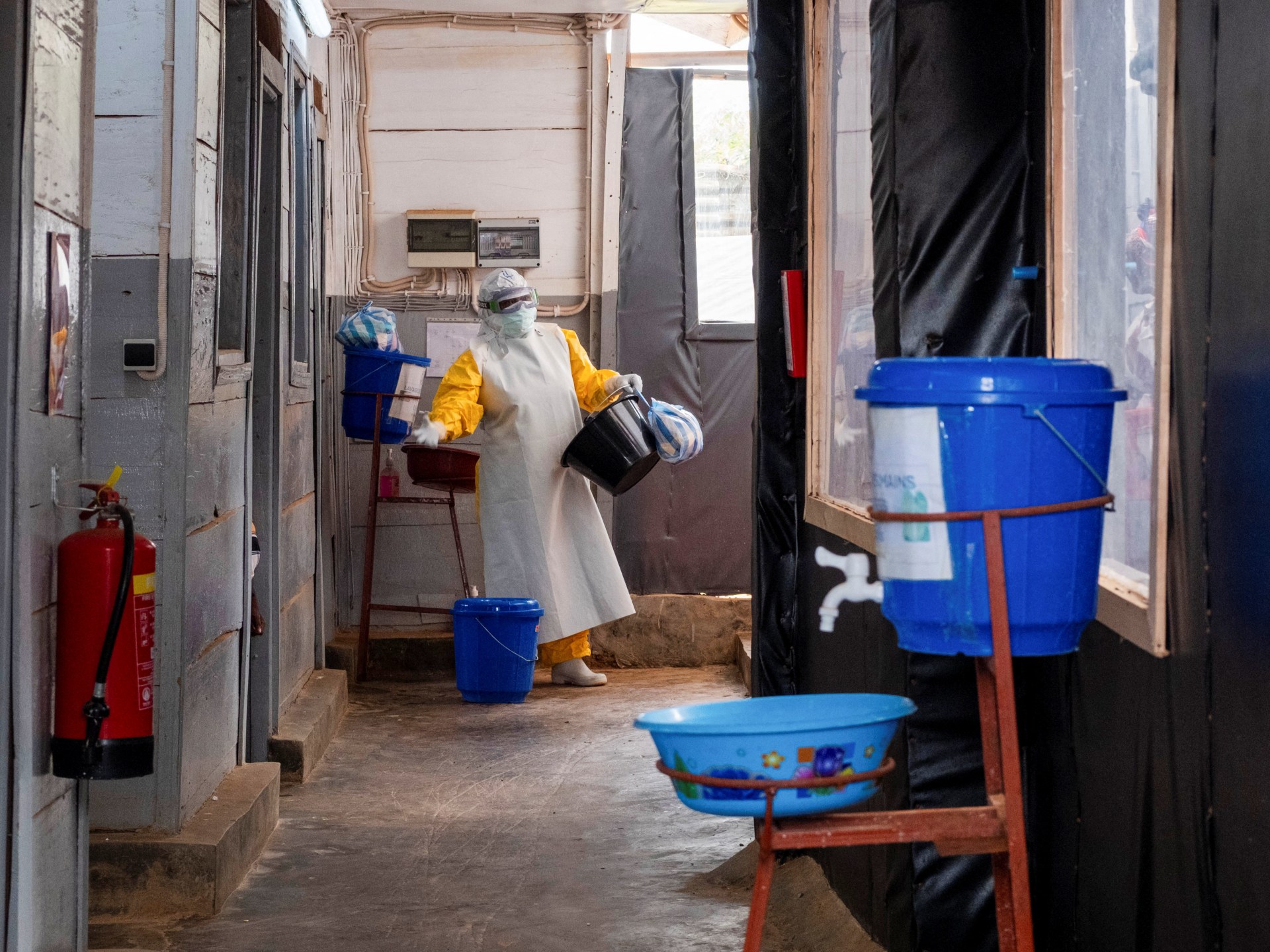
The Democratic Republic of Congo (DRC) is confronting a critical escalation in its ongoing public health crisis as the World Health Organization (WHO) confirms the spread of the Ebola virus into two new health zones: South Ubangi and Haut-Uele. These remote and highly porous border regions serve as vital arteries for regional migration and trade within Central Africa. The geographical shift complicates containment operations that are already heavily strained by local infrastructure deficits, security challenges, and limited medical personnel. Frontline health workers report immense difficulties in executing contact tracing and administering timely vaccinations across expansive provincial boundaries where state oversight is historically fragile.
The timing of this epidemiological surge introduces profound geopolitical and administrative vulnerabilities. The affected provinces share extensive borders with neighboring Central African nations, raising immediate concerns regarding cross-border transmission and regional health security. International health bodies and national authorities are scrambling to establish coordinated surveillance mechanisms, yet bureaucratic bottlenecks and logistical hurdles continue to hamper the rapid deployment of specialized medical teams. As local populations traverse national borders for commerce and familial ties, the risk of a broader multinational epidemic intensifies, prompting emergency consultations among regional governments and multilateral agencies.
[Global Trade](/news/pm-shehbaz-demands-free-navigation-ungh-hormuz-bab-al-mandab) & Economic Ripples
While public health remains the immediate priority, the geographic expansion of the Ebola outbreak carries significant implications for global trade, commodity markets, and supply chain integrity in Central Africa. South Ubangi and Haut-Uele are integral to regional agricultural transport and artisanal mineral trade routes. Any prolonged quarantine measures, border closures, or localized panic threaten to paralyze commercial transit corridors, restricting the flow of essential goods and raw materials.
Commodity markets are monitoring the situation closely, particularly regarding agricultural exports and regional mineral extraction operations. Logistical disruptions caused by health checkpoints and restricted workforce mobility inevitably lead to rising transportation costs and supply delays. Furthermore, diminished local consumer confidence and reduced labor productivity within the affected zones risk exerting inflationary pressures on domestic markets. For international trading partners relying on steady resource flows from the broader Congo Basin, the outbreak underscores the fragility of regional supply chains when subjected to severe biological shocks.
Related Intelligence: Trump Arch Proposal Sparks Geopolitical Tensions and Trade Security Debate
International Reactions & Diplomatic Stances
In response to the escalating crisis, international organizations and multilateral bodies have intensified calls for immediate, coordinated financial and logistical intervention. The World Health Organization has urged member states to scale up emergency funding and provide specialized medical supplies to support the DRC Ministry of Health. Concurrently, diplomatic missions in Kinshasa are coordinating closely with regional authorities to evaluate travel advisories and ensure the safety of foreign nationals operating within the affected provinces.
Market analysts and global health economists emphasize that the international response must transcend short-term emergency relief. Multilateral financial institutions are evaluating emergency credit lines to support local healthcare infrastructure and mitigate the macroeconomic fallout on the Congolese economy. However, donor fatigue and competing geopolitical crises globally threaten to delay the disbursement of pledged funds, leaving frontline responders under-resourced as they attempt to halt the virus's advancement.
Strategic Outlook & Future Scenarios
Looking ahead, the trajectory of the outbreak will depend heavily on the efficacy of containment protocols deployed in South Ubangi and Haut-Uele over the coming weeks. Failure to rapidly isolate infected clusters risks a cascading regional crisis that could necessitate stricter border controls, severely dampening cross-border economic activity and straining diplomatic relations among neighboring states.
Upcoming regional summits of the Economic Community of Central African States (ECCAS) are expected to place health security and border management high on the agenda. Policymakers must balance stringent epidemiological controls with the imperative of maintaining open trade corridors to prevent economic destitution in vulnerable border communities. Ultimately, international stakeholders must recognize that containment of the Ebola virus is not merely a humanitarian imperative, but a fundamental pillar of regional geopolitical stability and global economic resilience.
Join Our Official WhatsApp Channel
Receive live commodity alerts, policy changes, and commercial intelligence directly on WhatsApp.