
Pakistan Urges Regional De-escalation During High-Level Iranian Engagement
Prime Minister Shehbaz Sharif met with Iranian President Masoud Pezeshkian to advocate for regional restraint, emphasizing bilateral trade stability and security cooperation.
The Core Development
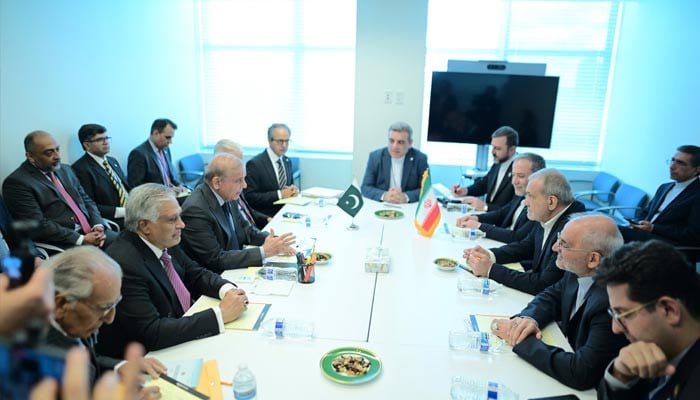
In a high-level diplomatic engagement that underscores Islamabad's delicate balancing act in Middle Eastern geopolitics, Prime Minister engaged in critical discussions with Iranian President Masoud Pezeshkian. The talks centered heavily on the escalating security crisis in the region, with the Pakistani premier emphasizing the urgent necessity for maximum restraint and constructive de-escalation among all regional stakeholders. Against a backdrop of volatile cross-border dynamics, the two leaders reviewed the current geopolitical landscape, exploring diplomatic channels to prevent further friction that could threaten broader regional peace. The meeting incorporated key security and foreign policy advisors, delineating a shared framework aimed at insulating bilateral ties from external shocks while addressing longstanding border management concerns.
Commercial & Economic Implications
For Pakistan's domestic market, particularly within the border regions of Balochistan and Sindh, regional stability remains inextricably linked to commercial continuity. Cross-border trade with Iran encompasses vital energy supplies, liquefied petroleum gas (LPG), and essential food commodities such as fresh produce and dry fruits. Any escalation in regional tensions directly threatens these lifelines, risking supply chain bottlenecks, inflationary pressures on retail prices, and increased volatility for wholesale distributors operating in western commercial hubs. Retail traders and small-to-medium enterprises dependent on informal and formal barter trade mechanisms closely monitor these diplomatic exchanges, as trade disruptions immediately translate into higher operational costs and consumer price hikes across domestic markets.
Stakeholder Perspectives & Market Reactions
Business councils, trader associations, and industrial bodies across Pakistan have voiced cautious optimism regarding the renewed high-level dialogue, while remaining vigilant about potential trade restrictions. Representatives from chambers of commerce in Quetta and Karachi highlighted that secure, predictable trade corridors with Iran are indispensable for regional economic integration. Industry analysts note that while formal bilateral trade volumes remain below their true potential due to international sanctions and banking channel bottlenecks, the informal and border-adjacent trade constitutes a substantial economic cushion for local populations. Legal and financial experts emphasize that establishing formal payment mechanisms between Islamabad and Tehran is paramount to safeguarding Pakistani businesses from secondary sanction risks while normalizing commercial flows.
Forward Outlook & Key Watchpoints
Looking ahead, the trajectory of Pakistan-Iran relations will hinge on tangible diplomatic follow-ups and the implementation of joint border security frameworks. Key watchpoints for financial markets and trade bodies include the operationalization of border sustenance markets, progress on the long-delayed Iran-Pakistan gas pipeline project—subject to international regulatory scrutiny—and bilateral agreements on tariff rationalization. Policymakers in Islamabad must navigate these diplomatic waters carefully, ensuring that regional outreach does not compromise broader macroeconomic stabilization goals or international trade standing while securing vital energy and commodity imports for domestic consumption.
Join Our Official WhatsApp Channel
Receive live commodity alerts, policy changes, and commercial intelligence directly on WhatsApp.