
Iranian-American Plaintiffs File Landmark Lawsuit Against Trump Administration Over War Policies
Iranian-American families have filed a federal lawsuit against the Trump administration, alleging severe personal harm and human rights violations stemming from US military engagements in Iran.
Geopolitical & Core Developments
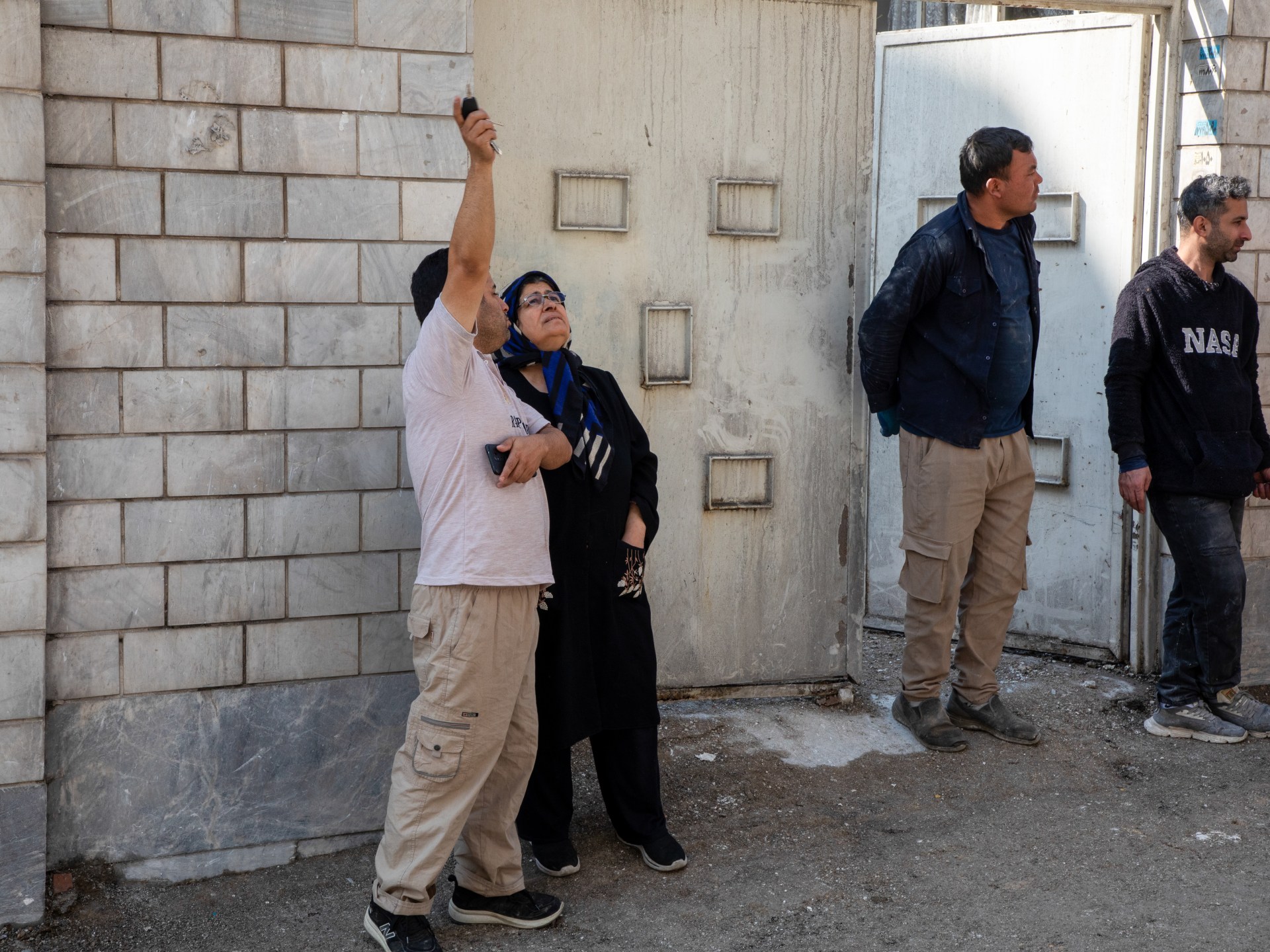
A coalition of Iranian-American plaintiffs has initiated a landmark federal lawsuit against the former Trump administration, asserting that aggressive military policies and escalatory wartime measures directly harmed their immediate family members residing inside Iran. Filed in United States federal court, the legal action challenges the boundaries of executive war powers and seeks judicial accountability for civilian casualties and infrastructural devastation attributed to US interventions. The plaintiffs, representing dual nationals and permanent residents in the United States, argue that the administration's maximum pressure campaign and subsequent military escalations violated domestic constitutional statutes and international humanitarian law. This unprecedented legal maneuver intersects with a complex web of longstanding geopolitical grievances, bringing the human cost of state-level confrontations directly into domestic judicial forums. Constitutional scholars note that while foreign policy decisions traditionally enjoy broad executive immunity, this suit tests the legal avenues available to citizens whose transnational families bear the collateral brunt of foreign policy directives. The proceedings promise to reignite fierce legislative and public debates regarding the oversight of executive military actions and the legal protections afforded to civilian populations caught in geopolitical crossfire.
Global Trade & Economic Ripples
Beyond its immediate constitutional implications, the lawsuit introduces a novel vector of legal and operational risk for multinational corporations, energy conglomerates, and global financial institutions operating across the Middle East. Geopolitical tensions between Washington and Tehran have historically served as a primary volatility driver for international crude oil benchmarks, shipping insurance premiums, and maritime logistics traversing the Strait of Hormuz. While the litigation itself is domestic, it underscores the persistent legal vulnerabilities and sovereign risks associated with persistent bilateral hostilities. Global commodity markets remain hypersensitive to any legal developments that could constrain executive maneuvering or alter US sanctions enforcement mechanisms. Energy traders and supply chain managers are closely analyzing the broader implications for regional stability, cognizant that protracted legal battles over wartime damages could influence future diplomatic postures, deter foreign direct investment in adjacent markets, and complicate international trade negotiations involving key Gulf economies.
Related Intelligence: Pakistan Cuts Fuel Prices as Global Markets Ease
International Reactions & Diplomatic Stances
International legal observers, human rights organizations, and foreign policy analysts have met the announcement of the lawsuit with intense scrutiny, viewing it as a potential test case for transnational human rights litigation. While official responses from multilateral bodies such as the United Nations remain measured, legal advocates specializing in international humanitarian law suggest the case could establish important precedents regarding the extraterritorial application of domestic statutes. European diplomatic circles, which have historically sought to navigate a middle ground between US sanctions regimes and Iranian compliance, are evaluating how domestic judicial challenges might constrain future diplomatic flexibility. Meanwhile, regional actors in the Middle East are monitoring the proceedings as a barometer of American domestic political sentiment regarding foreign entanglements. Market analysts emphasize that international reactions will ultimately depend on whether federal judges permit the suit to proceed past preliminary dismissal motions, a hurdle that has historically impeded similar challenges to executive foreign policy.
Strategic Outlook & Future Scenarios
As the legal teams prepare for preliminary hearings, the trajectory of the lawsuit remains fraught with procedural hurdles, including sovereign immunity doctrines and the political question doctrine, which federal courts frequently invoke to avoid adjudicating foreign policy matters. However, regardless of its ultimate judicial outcome, the case highlights the growing intersection between domestic litigation and international statecraft. Future scenarios range from a swift dismissal based on executive privilege to a protracted legal battle that forces public disclosures regarding high-level military decision-making processes. For global markets and international affairs strategists, the proceeding serves as a stark reminder that geopolitical risks are increasingly multidimensional, blending traditional diplomatic friction with complex domestic legal challenges that can reverberate through international commerce and investor sentiment for years to come.
Join Our Official WhatsApp Channel
Receive live commodity alerts, policy changes, and commercial intelligence directly on WhatsApp.