
Kenya Confirms New Ebola Cases Stoking Regional Trade and Border Concerns
Kenya has confirmed four additional Ebola cases, bringing the country's total caseload to seven. The development raises immediate cross-border surveillance concerns and threatens logistical continuity across East Africa's vital trade arteries.
Geopolitical & Core Developments
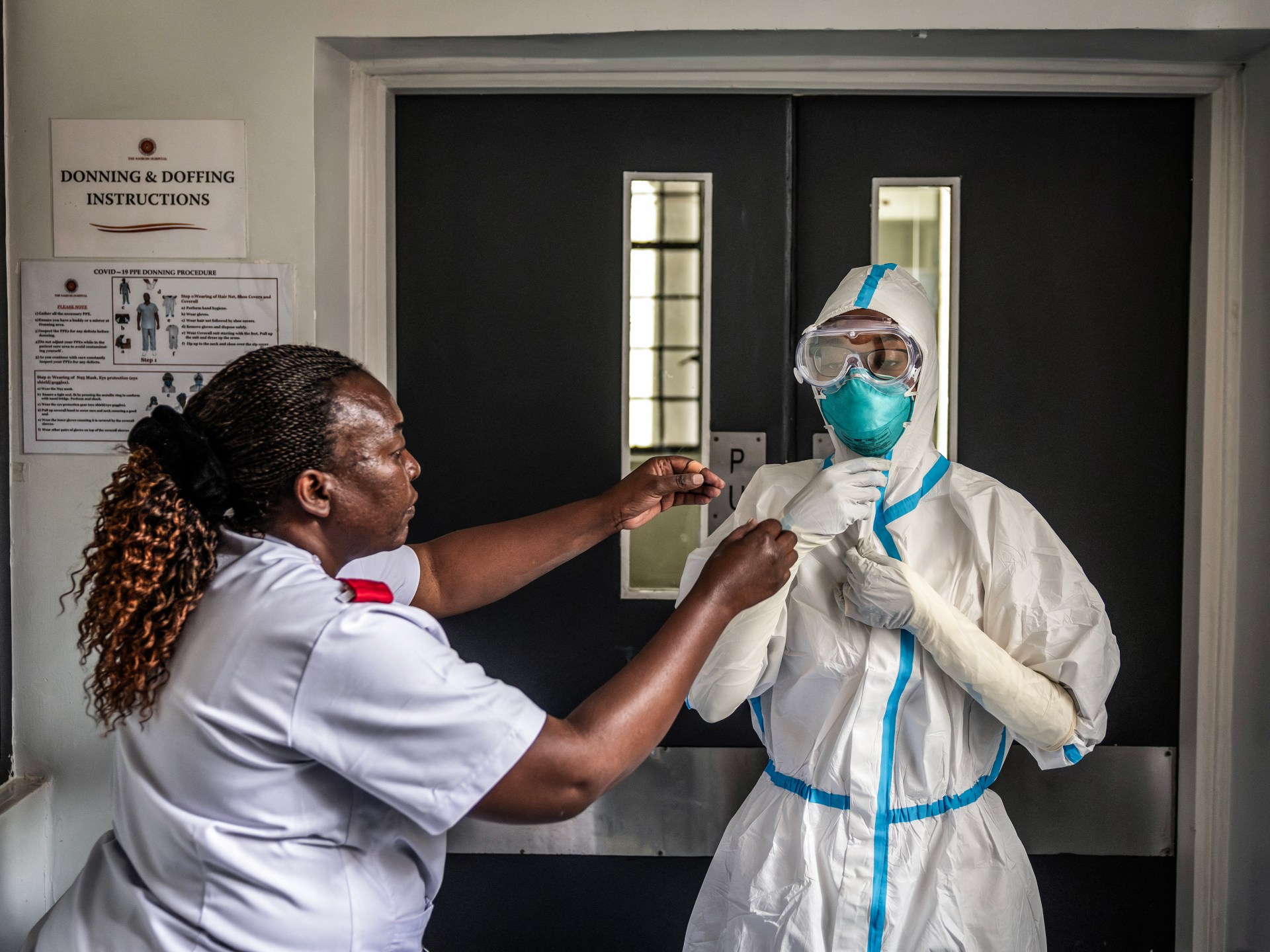
Kenyan public health authorities have confirmed four additional cases of the Ebola virus, bringing the country's documented caseload to seven. Significantly, three of the newly diagnosed individuals are healthcare personnel who provided direct medical intervention to the index patient. This pattern of nosocomial transmission underscores the acute vulnerability of frontline medical infrastructure and elevates containment risks across domestic and regional jurisdictions.
The strategic implications for East Africa are immediate. Kenya serves as the central diplomatic, commercial, and aviation hub for the wider sub-region. The confirmation of secondary transmission among healthcare workers has prompted emergency protocols by the Ministry of Health in Nairobi, coordinating closely with international response units to trace primary and secondary contacts. Given the porous land borders shared with Uganda, South Sudan, Ethiopia, Somalia, and Tanzania, regional containment depends heavily on the speed and transparency of inter-governmental coordination. The situation tests the operational efficacy of the East African Community (EAC) public health surveillance frameworks, which have historically faced strain during cross-border health emergencies.
Global Trade & Economic Ripples
While public health remains the primary concern, the commercial fallout could reverberate through established supply networks. Kenya anchors the Northern Corridor, a vital logistical lifeline linking the deep-water Port of Mombasa to landlocked economies including Uganda, Rwanda, Burundi, and eastern Democratic Republic of the Congo. Any unilateral or fragmented border restrictions could disrupt heavy freight transit, raising overland logistics costs and extending delivery turnaround times.
Agricultural commodity markets are closely monitoring the developments. Kenya is a top global exporter of black tea, fresh-cut horticulture, and specialty coffee. The agricultural export engine relies heavily on belly-hold air freight capacity leaving Jomo Kenyatta International Airport (NBO). Should international health agencies or commercial airlines introduce flight suspensions or onerous cargo handling mandates, freight forwarding rates could climb sharply. Furthermore, investor sentiment on the Nairobi Securities Exchange and the Kenyan Shilling could face downward pressure if outbreak mitigation demands diversion of state revenues from fiscal consolidation toward emergency epidemic response.
Related Intelligence: Pacific Storm Trudy Threatens Mexican Infrastructure and Agricultural Trade Hubs
International Reactions & Diplomatic Stances
The World Health Organization (WHO) Regional Office for Africa has mobilized rapid response teams to bolster surveillance, contact tracing, and clinical management in affected districts. Multilateral officials have cautioned against premature travel or trade restrictions, urging EAC member states to adhere to International Health Regulations (IHR 2005) to avoid gratuitous economic damage.
Neighboring governments have nonetheless escalated border health screenings. Uganda and Tanzania have increased scrutiny at major immigration checkpoints, deploying thermal imaging and dedicated isolation units. Western donor partners, including the United States Agency for International Development (USAID) and the European Commission's Civil Protection and Humanitarian Aid Operations, have signaled readiness to release contingency funding and deploy protective medical stockpiles to prevent the cluster from widening into an uncontrolled regional contagion.
Strategic Outlook & Future Scenarios
The forward trajectory of this outbreak will hinge on the containment of secondary contacts over the next 21 to 42 days. If public health authorities successfully ring-fence the known exposure clusters, the commercial disruption will likely remain localized, restricted to temporary logistical bottlenecks and heightened sanitary requirements at border crossings.
Conversely, if community-level transmission establishes itself in major urban centers such as Nairobi or Mombasa, the geopolitical and economic stakes will multiply. Such an escalation would inevitably lead to curtailed passenger flight frequencies, severe labor disruptions at key maritime and manufacturing hubs, and potential emergency credit reassessments from multilateral lenders. For global supply chain managers and regional traders, maintaining operational agility and closely monitoring EAC border clearance protocols will remain critical in the coming weeks.
Join Our Official WhatsApp Channel
Receive live commodity alerts, policy changes, and commercial intelligence directly on WhatsApp.