
Obama Condemns Federal Search of Representative Ilhan Omar Amid Institutional Tensions
Former US President Barack Obama has publicly condemned a federal search of Representative Ilhan Omar's residence, warning that targeting prominent political critics threatens democratic norms and institutional integrity.
Geopolitical & Core Developments
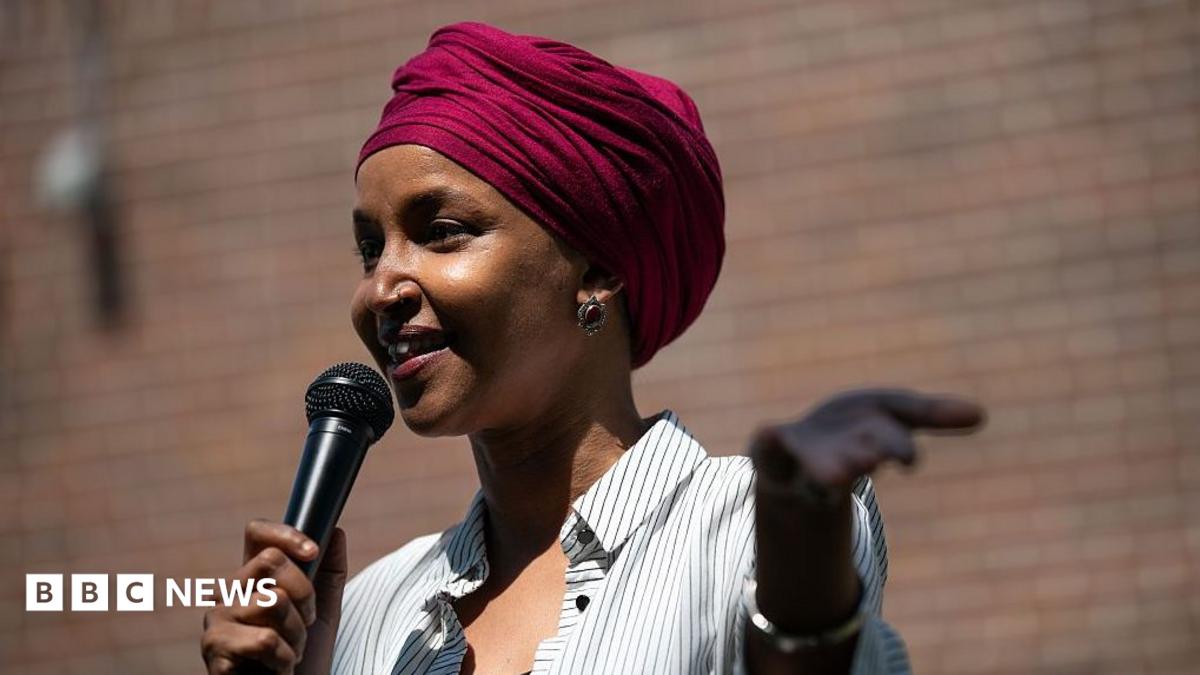
Former United States President Barack Obama has sharply criticized a federal law enforcement operation conducted at the residence of Representative Ilhan Omar, characterizing the investigative move as an alarming escalation designed to intimidate an outspoken critic of former President Donald Trump. The public rebuke from Obama represents a rare intervention by the former head of state into an active domestic law enforcement matter, reflecting severe friction within the American political architecture.
Representative Omar, a progressive lawmaker representing Minnesota's 5th congressional district and a prominent voice on international relations, has frequently challenged established paradigms in US foreign policy, trade agreements, and defense appropriations. Federal investigators carried out the search warrant under conditions that have drawn intense scrutiny from senior Democratic officials, civil rights organizations, and legal scholars. Critics argue the operation indicates an unprecedented weaponization of executive and federal instruments against sitting legislators. Conversely, federal authorities contend the inquiry follows standard procedure, denying political motivation. The incident has intensified broader disputes regarding executive overreach, civil liberties, and the neutrality of state security agencies in the world's largest economy.
Global Trade & Economic Ripples
While the search of a congressional lawmaker's residence is fundamentally a domestic political development, its implications extend to the international macroeconomic environment. The escalating institutional friction within Washington threatens to exacerbate polarization in the US Congress, directly jeopardizing bipartisan cooperation on foreign trade legislation, sovereign debt limits, and international aid packages.
Global financial markets inherently value political predictability and the rule of law within reserve-currency issuing nations. Deepening ideological confrontation complicates US trade policy continuity, creating uncertainty for foreign trading partners, export-import corridors, and multinational supply chains dependent on clear legislative frameworks. In foreign exchange markets, sustained domestic political turmoil introduces episodic volatility into the US Dollar Index, as foreign institutional investors evaluate sovereign governance risks. Furthermore, delays in congressional authorizations for strategic commercial programs and foreign aid mechanisms could ripple across emerging markets relying on US developmental finance and trade preference programs.
Related Intelligence: French Political Turmoil Deepens as Far-Right Capitalizes on Escalating Civil Unrest
International Reactions & Diplomatic Stances
The developments in Washington have drawn keen observation from international allies, multilateral institutions, and external diplomatic missions. European diplomatic sources have privately voiced apprehension over the deepening institutional divisions within the US political system, noting that hyper-partisanship complicates sustained diplomatic coordination on transatlantic defense, energy security, and global trade enforcement.
Human rights observers and international governance watchdogs have emphasized that standard democratic governance requires absolute transparency and impartiality when state apparatuses investigate elected officials. Multilateral policy analysts note that visible political fractures within Washington undermine the United States' moral authority when advocating for anti-corruption, electoral fairness, and institutional integrity in developing economies. Conversely, strategic competitors such as China and Russia are utilizing the domestic political controversy in their state-aligned diplomatic narratives, pointing to internal US discord as evidence of institutional degradation and governance instability.
Strategic Outlook & Future Scenarios
The trajectory of this legal and political dispute points toward an era of heightened institutional warfare on Capitol Hill. Congressional committees are likely to initiate sweeping inquiries into the origins, authorization, and conduct of the federal search, triggering contentious public hearings that will divert legislative momentum away from urgent foreign policy priorities.
In the medium term, this episode will likely harden partisan battle lines ahead of upcoming electoral cycles. Lawmakers on both sides of the aisle are expected to leverage the controversy for political mobilization, which may stall international diplomatic appointments, treaty ratifications, and critical defense supply chain authorizations. If political pressure escalates, oversight battles between Congress and federal law enforcement agencies could lead to substantial legal challenges regarding the limits of executive power, leaving international partners and global financial markets to navigate an increasingly volatile American political terrain.
Join Our Official WhatsApp Channel
Receive live commodity alerts, policy changes, and commercial intelligence directly on WhatsApp.