
Pakistan Secures Safe Return of Remaining MT Honour 25 Crew
Deputy Prime Minister Ishaq Dar confirmed the successful rescue and repatriation of the final three Pakistani crew members from the MT Honour 25 vessel following international cooperation.
The Core Development
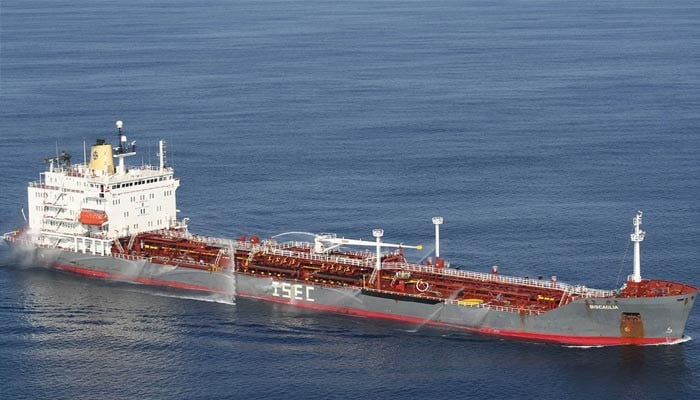
The Ministry of Foreign Affairs confirmed the successful rescue and secure extraction of the final three Pakistani crew members aboard the vessel MT Honour 25. Deputy Prime Minister and Minister for Foreign Affairs Senator Mohammad Ishaq Dar announced the breakthrough, bringing an end to a high-stakes maritime ordeal that had raised significant concerns regarding the safety of Pakistani seafarers operating in volatile international waters.
The successful operation was the result of coordinated diplomatic and tactical interventions involving regional authorities and international maritime coalitions. The remaining crew members were safely extracted from the vessel under challenging operational conditions. Following their rescue, a specialized team from the Embassy of Pakistan in Djibouti was immediately mobilized to meet the seafarers, providing urgent consular assistance, medical evaluations, and logistical support before accompanying them to Addis Ababa for their onward journey to Pakistan.
Commercial & Economic Implications
While the immediate crisis has been successfully averted, maritime incidents involving commercial vessels and trading fleets carry profound implications for Pakistan's external trade corridors, shipping insurance premiums, and logistics supply chains. The uninterrupted flow of maritime commerce is vital for maintaining stable import and export channels, particularly for bulk commodities, energy supplies, and manufactured goods destined for regional and international markets.
Persistent security vulnerabilities along critical sea lanes can trigger immediate upward spikes in marine war risk insurance rates, freight charges, and charter costs. For Pakistan's domestic economy, which relies heavily on imported industrial raw materials and petroleum products, elevated shipping overheads directly translate into heightened cost pressures for wholesale distribution networks and retail markets. Ensuring robust diplomatic and security frameworks for commercial seafarers is therefore not merely a humanitarian imperative but a core pillar of national economic resilience and trade stability.
Related Intelligence: Libyan Educational Crisis Threatens National Stability and Energy Supply Chains
Stakeholder Perspectives & Market Reactions
Business councils, shipping associations, and trade bodies have expressed immense relief over the safe return of the Pakistani nationals, while simultaneously calling for enhanced institutional mechanisms to safeguard merchant mariners. Representatives from the maritime logistics sector emphasized the necessity of real-time intelligence sharing between Pakistani diplomatic missions abroad and international naval task forces operating in high-risk zones.
Official statements from the Foreign Office highlighted the efficacy of multilateral diplomacy. Deputy Prime Minister Dar formally expressed Pakistan's deep appreciation to the Government of Somalia and the European Union Naval Force (EUNAVFOR) for their prompt response, operational support, and seamless coordination during the critical phases of the rescue mission. Industry stakeholders have noted that such international cooperation is indispensable for protecting global supply chains and securing the lives of merchant crews operating far from home.
Forward Outlook & Key Watchpoints
The repatriated crew members are scheduled to arrive back in Pakistan shortly, where they will receive comprehensive psychological and medical support from government authorities and their employing shipping companies. Ministry officials have indicated that a comprehensive debriefing will be conducted to assess the circumstances surrounding the incident and to refine future emergency response protocols for commercial vessels flying the Pakistani flag or carrying national crew members.
Looking ahead, policymakers and shipping regulators will closely monitor security developments across key maritime choke points. Key watchpoints include the implementation of enhanced standard operating procedures by shipping lines, potential adjustments to maritime insurance underwriting criteria for vessels navigating the Horn of Africa and the Gulf of Aden, and the strengthening of bilateral maritime security pacts to insulate Pakistan's external trade from future geopolitical and security shocks.
Join Our Official WhatsApp Channel
Receive live commodity alerts, policy changes, and commercial intelligence directly on WhatsApp.