
Occupied Oleshky Crisis Deepens Amid Agricultural Collapse
Severe humanitarian conditions in Russian-occupied Oleshky underscore deepening agricultural and supply chain crises across southern Ukraine.
Geopolitical & Core Developments
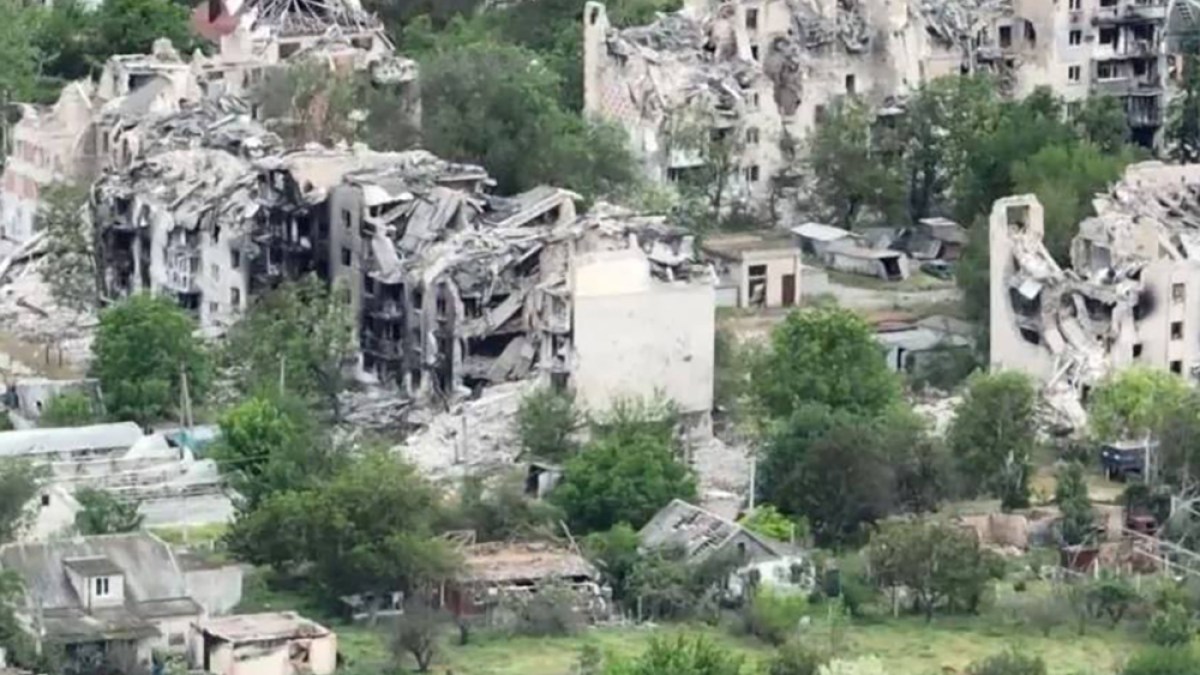
The humanitarian emergency in the Russian-occupied town of Oleshky, situated in Ukraine's southern Kherson region, has deteriorated into an acute catastrophe, highlighting the profound human and structural costs of the ongoing conflict. Reports from the enclave indicate that residents are experiencing severe food insecurity, increasingly forced to forage for wild vegetation as basic sustenance. The localized collapse of civil infrastructure is compounded by relentless military activity, including aerial drone surveillance and extensive landmine contamination that paralyzes movement across the left bank of the Dnipro River. The destruction of the Kakhovka hydroelectric dam remains a central catalyst for this devastation, fundamentally altering the hydrological landscape, destroying local irrigation systems, and rendering formerly fertile agricultural zones largely non-arable. From a geopolitical perspective, the consolidation of control by Russian occupation authorities has severed normal supply lines from Ukrainian-controlled territory, leaving vulnerable populations isolated from humanitarian relief and institutional support while intensifying the fragmentation of the regional economy.
Global Trade & Economic Ripples
While Oleshky is a localized administrative center, the persistent instability in the broader Kherson and Zaporizhzhia sectors carries profound implications for global commodity markets, particularly international agricultural trade. Southern Ukraine has historically served as a vital breadbasket, contributing significantly to global exports of wheat, barley, corn, and sunflower oil. The sustained degradation of arable land, combined with the militarization of waterways and logistics corridors, severely restricts agricultural productivity and export capacities. Insurance premiums for vessels operating in the wider Black Sea basin remain elevated, reflecting persistent risks from drifting naval mines and targeted infrastructural strikes. Furthermore, energy infrastructure damage and heightened logistical friction continue to exert upward pressure on input costs for European and Middle Eastern importers, reinforcing inflationary trends across agricultural and energy commodities. The disruption of local fertilizer distribution and labor shortages further dampens future harvest yields, posing medium-term risks to global food security.
Related Intelligence: Nigerian Kidnappings Highlight Security Crises Impeding Regional Trade
International Reactions & Diplomatic Stances
International bodies and human rights organizations have expressed mounting alarm over the deteriorating conditions in occupied Ukrainian territories, though diplomatic interventions remain constrained by access restrictions imposed by Russian occupation forces. United Nations agencies have repeatedly called for unimpeded humanitarian access to all affected populations on both sides of the frontline, emphasizing that the denial of basic provisions violates international humanitarian law. Western governments continue to condemn the administrative practices in occupied zones, tying the easing of sanctions directly to the restoration of Ukrainian territorial integrity and compliance with humanitarian mandates. Meanwhile, market analysts and agricultural trade associations are increasingly factoring prolonged supply chain fragmentation into long-term forecasting models, noting that the reconstruction of southern Ukraine's agricultural infrastructure will require unprecedented international financial commitments and de-mining operations spanning several years.
Strategic Outlook & Future Scenarios
Looking ahead, the trajectory of the humanitarian and economic crisis in Oleshky remains inextricably linked to the broader military stalemate along the southern front. As long as contested zones remain heavily militarized and environmentally compromised, prospects for economic recovery or sustainable agricultural revival are virtually non-existent. Upcoming diplomatic summits and international donor conferences will likely focus on post-conflict reconstruction frameworks, yet immediate mitigation depends on securing safe corridors for food and medical supplies. Escalating drone warfare and minefield density suggest that security risks will persist, keeping commodity markets jittery and ensuring that geopolitical risk premiums remain embedded in regional trade logistics for the foreseeable future.
Join Our Official WhatsApp Channel
Receive live commodity alerts, policy changes, and commercial intelligence directly on WhatsApp.