
Pakistan Rejects Afghan Taliban Allegations on Nuristan Violence
Pakistan strongly dismissed Afghan Taliban allegations linking its security forces to internal violence in Nuristan, denouncing the claims as fabricated and baseless.
The Core Development
In a decisive diplomatic pushback, Pakistan's Ministry of Information and Broadcasting has formally rejected allegations levied by the Afghan Taliban regime concerning purported security force involvement in internal clashes within Afghanistan's eastern Nuristan province. The official government fact-checking platform on social media platform X characterized the accusations as entirely frivolous, baseless, and devoid of factual truth.
The diplomatic friction intensified following public statements from Kabul linking Islamabad to localized skirmishes and armed resistance movements within the rugged terrain of Nuristan. The Ministry of Information issued a comprehensive rebuttal, explicitly stating that Pakistan maintains a strict policy of non-interference in the internal affairs of its sovereign neighbor. Furthermore, the statement repudiated ancillary claims that Pakistani security agencies or intelligence apparatuses are engaged in recruiting or training former Afghan security personnel, or offering logistical facilitation to militant factions, including Daesh, operating within Afghan borders.
Commercial & Economic Implications
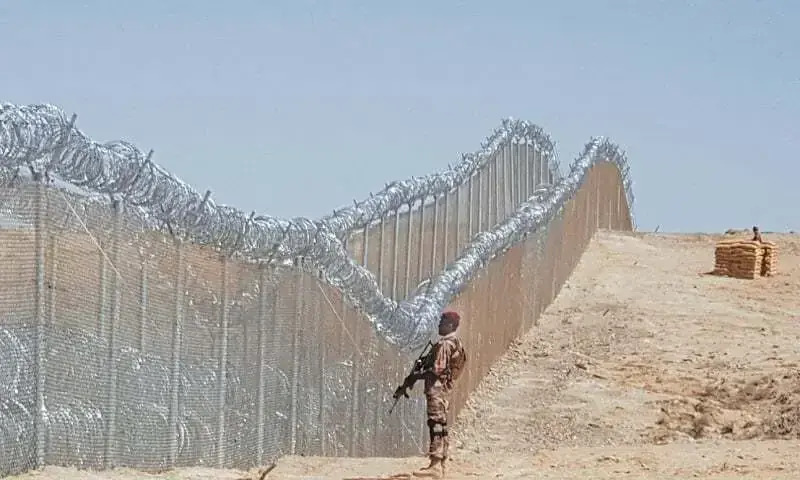
While diplomatic rows between Islamabad and Kabul typically register as geopolitical events, their reverberations are deeply felt across Pakistan's domestic commercial landscape, particularly in the border regions of Khyber Pakhtunkhwa and Balochistan. Persistent security frictions along the Durand Line frequently translate into temporary closures or strict regulatory bottlenecks at vital trade arteries such as Torkham and Chaman.
For Kalyar Traders and the wider mercantile community, cross-border disruptions pose immediate risks to wholesale distribution networks, agricultural supply chains, and perishable goods transit. Bilateral trade volumes, which encompass essential food commodities, construction materials, and textiles, remain highly vulnerable to security escalations. Any deterioration in diplomatic relations threatens to elevate logistics costs, inflate regional wholesale prices, and disrupt supply chains critical for domestic retail stability and consumer pricing in Pakistan's primary commercial hubs.
Related Intelligence: South Asian Floods Disrupted Trade Corridors and Commodity Flows
Stakeholder Perspectives & Market Reactions
Business councils, chambers of commerce, and trader associations have closely monitored the unfolding diplomatic standoff, expressing deep apprehension over potential fallout on cross-border commerce. Representatives from the Pak-Afghan Joint Chamber of Commerce and Industry have repeatedly emphasized that political and security disputes must be decoupled from bilateral trade corridors to safeguard merchant investments and ensure uninterrupted economic activity.
Legal and policy analysts note that Islamabad's prompt and unequivocal rebuttal reflects a calculated strategy to preempt international diplomatic pressure and maintain a firm stance against regional blame-shifting. Public response within domestic markets remains cautious, with industry bodies urging both governments to establish formal, transparent bilateral mechanisms to address security grievances without jeopardizing regional economic integration or commercial corridors.
Forward Outlook & Key Watchpoints
As diplomatic channels remain strained, market observers and economic analysts are closely tracking several critical indicators over the coming weeks. Key watchpoints include potential adjustments to border crossing protocols at major trade terminals, unilateral restrictions on transit trade agreements, and further official communiques from foreign ministries in Islamabad and Kabul.
For commercial enterprises operating in cross-border sectors, risk mitigation strategies and diversified supply chain sourcing will remain paramount. Sustained bilateral dialogue, mediated through regional diplomatic channels, will be essential to de-escalate tensions and prevent localized security accusations from inflicting structural damage on regional trade and economic stability.
Join Our Official WhatsApp Channel
Receive live commodity alerts, policy changes, and commercial intelligence directly on WhatsApp.