
South Asian Floods Disrupted Trade Corridors and Commodity Flows
Catastrophic floods and landslides in India and Nepal have claimed over 68 lives, severely disrupting regional supply chains, agricultural output, and cross-border trade corridors.
Geopolitical & Core Developments
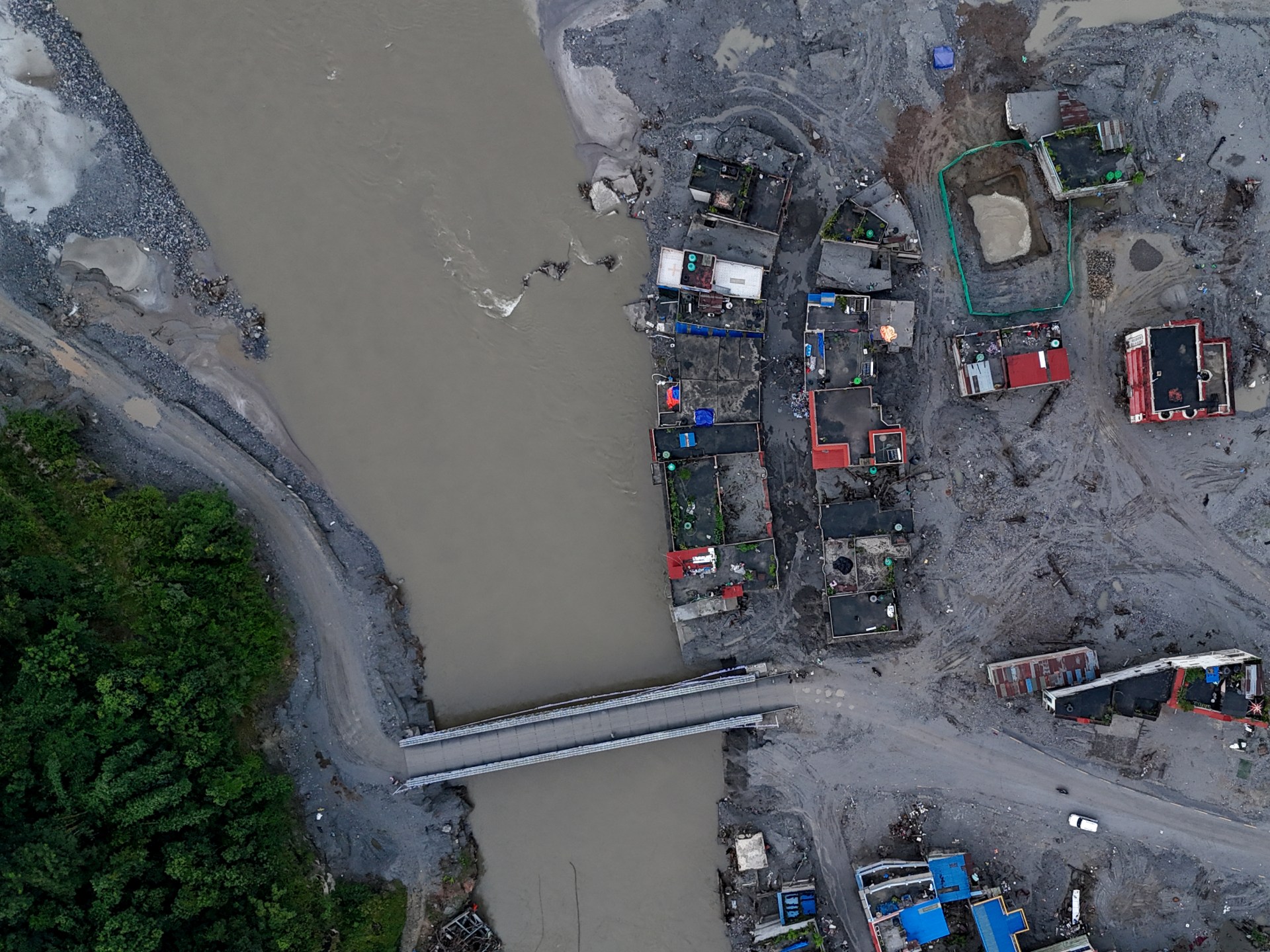
A devastating sequence of extreme weather events across northern India and Nepal has triggered severe humanitarian crises and systemic infrastructure failures over a relentless three-day period. Relentless monsoon downpours have driven major transboundary river systems, including the Koshi and Ganges basins, dangerously above official danger levels. Landslides have severed vital arterial highways, cutting off remote communities in the Himalayan foothills and isolating key logistical nodes. Local disaster management authorities report that the death toll has climbed to at least 56 in India and 12 in Nepal, with hundreds remaining displaced as search and rescue operations struggle against adverse terrain and ongoing precipitation.
From a strategic governance perspective, the disaster underscores the escalating vulnerability of South Asian state infrastructure to climate shocks. Governments in New Delhi and Kathmandu have mobilized national disaster response forces, yet the sheer scale of the inundation highlights systemic gaps in early-warning coordination and transboundary data sharing. Historically, shared river basins have served as both a lifeline and a diplomatic flashpoint; these compounding weather extremes emphasize the urgent necessity for enhanced bilateral cooperation on hydrological data exchange and joint flood-mitigation frameworks. State actors face mounting domestic pressure to accelerate climate adaptation investments to protect vulnerable populations and preserve core economic corridors.
[Global Trade](/news/swiss-neutrality-referendum-tests-global-trade-and-financial-stability) & Economic Ripples
The commercial implications of the South Asian disaster extend far beyond immediate humanitarian concerns, rippling through regional and global commodity markets. Northern India and the fertile plains of Nepal represent critical agricultural breadbaskets, producing substantial volumes of rice, wheat, and seasonal cash crops. Inundated farmlands and washed-out transport links threaten localized harvests, raising concerns over domestic food price inflation and potential export restrictions designed to safeguard internal food security. Such supply-side shocks can quickly translate into upward pressure on global benchmark prices for essential grains.
Furthermore, the disruption of major overland freight routes and railway networks has severely bottlenecked industrial supply chains. Logistics firms report significant delays in moving manufactured goods, textiles, and raw materials toward major export hubs such as Kolkata and Haldia. Energy infrastructure has also suffered, with localized hydropower generation in Nepal curtailed due to debris accumulation and safety shutdowns, temporarily altering cross-border power trading dynamics with northern Indian states. Supply chain managers are now re-evaluating risk exposure in the region, prompting renewed focus on supply chain diversification and resilient warehousing strategies among multinational corporations operating in South Asia.
Related Intelligence: Swiss Neutrality Referendum Tests Global Trade and Financial Stability
International Reactions & Diplomatic Stances
International bodies and foreign governments have closely monitored the unfolding crisis, offering technical assistance and expressing solidarity with affected populations. The United Nations Office for the Coordination of Humanitarian Affairs (UNOCHA) has maintained active communication with national disaster agencies, offering emergency relief coordination if required. Global financial institutions and multilateral development banks are re-assessing funding allocations to support long-term infrastructure hardening in climate-vulnerable developing economies.
Market analysts and international trade economists note that chronic weather anomalies in emerging market economies pose a persistent, under-priced risk to global macroeconomic stability. Credit rating agencies have signaled that repeated weather-induced fiscal shocks could impair sovereign debt sustainability for developing nations forced to divert recurrent expenditures toward emergency relief rather than productive capital investments. Diplomatic missions in New Delhi and Kathmandu have issued travel advisories while coordinating with local chambers of commerce to assess the direct impact on foreign direct investment projects situated within affected industrial zones.
Strategic Outlook & Future Scenarios
Looking ahead, the trajectory of economic recovery will depend heavily on meteorological conditions over the remainder of the monsoon season and the speed at which governments can restore compromised infrastructure. The recurring nature of these extreme weather events mandates a paradigm shift in regional planning, moving from reactive disaster management to proactive structural resilience. Upcoming international climate summits, including the forthcoming UNFCCC Conference of the Parties, are expected to feature intense negotiations regarding loss-and-finance mechanisms for developing nations bearing the brunt of anthropogenic climate change.
For global traders and multinational enterprises, the floods serve as a stark reminder of systemic vulnerabilities embedded within modern supply chains. Corporations are increasingly compelled to integrate granular climate risk data into their sourcing models, balancing cost-efficiency with geographic resilience. As regional governments navigate the immediate aftermath of the tragedy, the imperative for robust multilateral cooperation on climate mitigation and infrastructure adaptation has never been more acute.
Join Our Official WhatsApp Channel
Receive live commodity alerts, policy changes, and commercial intelligence directly on WhatsApp.