
Pakistan Rejects Afghan Taliban Claims Over Nuristan Clashes
Pakistan's information ministry has strongly refuted Afghan Taliban allegations linking security forces to internal clashes in Nuristan, dismissing the claims as fabricated and entirely devoid of truth.
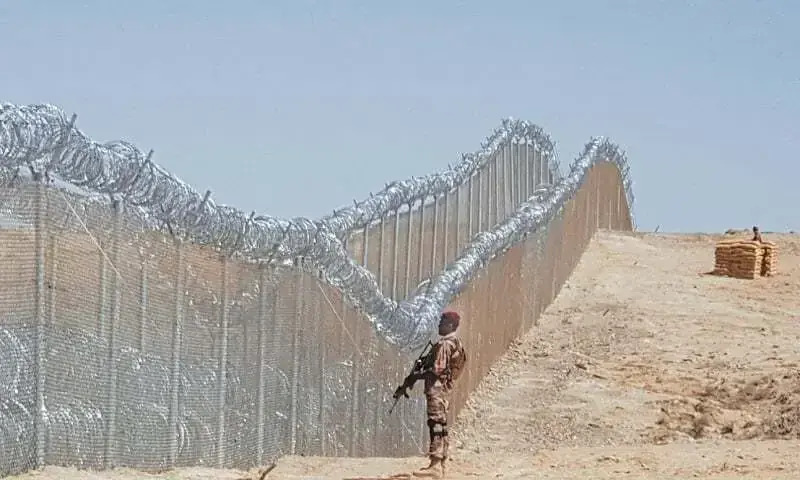
The Core Development
Tensions along the Pakistan-Afghanistan border escalated following a formal rejection by Pakistan's Ministry of Information regarding allegations made by the Afghan Taliban regime. The Afghan administration recently accused Pakistani security and intelligence apparatus of involvement in internal skirmishes within Afghanistan's eastern Nuristan province. Furthermore, the allegations touched upon sensitive security vectors, including the purported recruitment and training of former Afghan security personnel, as well as the alleged facilitation of militant outfits such as Daesh.
In an official statement released via its designated fact-checking portal on the social media platform X, Islamabad termed these accusations as frivolous, baseless, and entirely divorced from reality. The ministry underscored that Pakistan maintains a strict policy of non-interference in the internal affairs of its neighbors, emphasizing that national security forces operate strictly within sovereign borders to maintain regional stability and counter cross-border terrorism.
Commercial & Economic Implications
For mercantile entities and trading houses operating under Kalyar Traders, geopolitical frictions between Islamabad and Kabul carry immediate economic ramifications. Bilateral trade volumes, particularly perishable food items, textiles, and construction materials moving through key border crossings such as Torkham and Chaman, remain vulnerable to sudden closures or heightened security checks.
Prolonged diplomatic friction disrupts supply chains, inflating logistics costs for wholesale distributors and creating inflationary pressures in domestic markets. Uncertainty at the frontier discourages private sector investment in cross-border ventures, dampening commercial activity in Khyber Pakhtunkhwa and Balochistan. Retail traders face supply volatility, which directly impacts consumer pricing for imported agricultural goods and raw materials essential for light manufacturing.
Related Intelligence: Pakistan Rejects Afghan Taliban Claims Over Nuristan Clashes
Stakeholder Perspectives & Market Reactions
Business councils, chambers of commerce, and trader associations have expressed growing concern over the diplomatic standoff. Representatives from the Pak-Afghan Joint Chamber of Commerce and Industry have repeatedly stressed that economic corridors must remain insulated from political and security disputes.
Commercial stakeholders argue that trade blockades or tightened border restrictions disproportionately penalize legitimate businesses and ordinary citizens on both sides of the Durand Line. Legal and policy analysts suggest that constructive dialogue mechanisms are urgently required to prevent security friction from cascading into severe economic sanctions or border shutdowns that paralyze regional commerce.
Forward Outlook & Key Watchpoints
As diplomatic channels remain strained, stakeholders are closely monitoring several critical indicators over the coming weeks. Key watchpoints include potential shifts in border management protocols, the operational status of major transit terminals, and subsequent diplomatic communiques from both capitals.
Policy enforcement at customs checkpoints is expected to remain stringent, requiring traders to maintain rigorous compliance documentation. Analysts emphasize that long-term commercial predictability depends on sustained bilateral engagement to de-escalate security rhetoric and safeguard vital trade arteries from geopolitical turbulence.
Join Our Official WhatsApp Channel
Receive live commodity alerts, policy changes, and commercial intelligence directly on WhatsApp.