
UK Counter-Terrorism Arrests Raise Stakes Near US Airbase
UK counter-terrorism police arrested five men near RAF Fairford following security alerts, amplifying geopolitical tensions surrounding US military operations in the Strait of Hormuz and rippling through global supply chains.
The Core Development
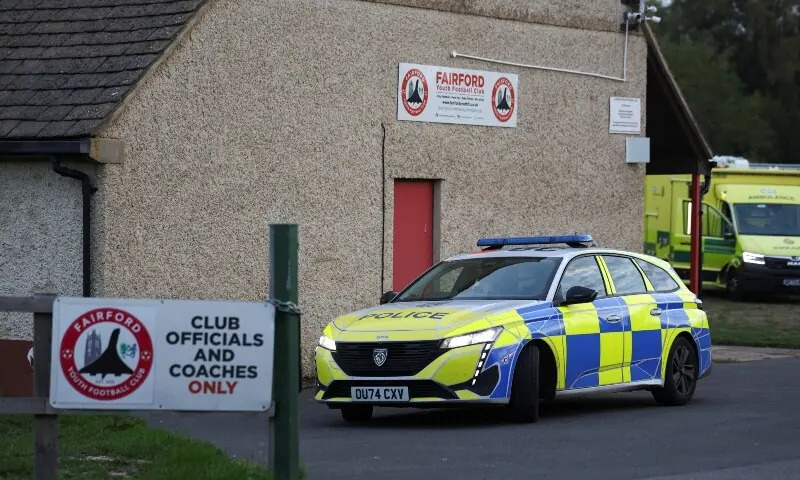
London’s Metropolitan Police announced the arrest of five men on suspicion of preparing terrorist acts following a major security incident near Royal Air Force (RAF) Fairford in Gloucestershire, southwestern England. Counter-Terrorism Policing confirmed they have assumed command of the investigation into the overnight operation. Initial reports indicate the suspects were detained under the Explosives Act, prompting military explosive ordnance disposal teams to examine several suspicious vehicles secured within the perimeter.
Security had already been significantly elevated at the installation following recent geopolitical authorizations. The British government recently granted formal approval for United States Air Forces to utilize RAF Fairford for strategic operations, including targeted strikes against Iranian missile sites. These hostile installations have increasingly targeted commercial shipping vessels navigating the critical Strait of Hormuz, transforming the Gloucestershire airbase into a vital node in international security and defense logistics.
Commercial & Economic Implications
For emerging economies like Pakistan, security disruptions and military escalations centered around vital maritime choke points carry immediate macroeconomic consequences. The Strait of Hormuz handles a substantial portion of global liquefied natural gas (LNG) and crude oil shipments. Any threat to military installations supporting freedom of navigation in this corridor directly translates into heightened volatility for global energy futures.
As Pakistan relies heavily on imported petroleum products and LNG to meet domestic power generation and industrial feedstock requirements, upward spikes in crude benchmarks exacerbate trade deficits. Higher global energy prices inevitably filter down to domestic retail fuel prices, stoking transport inflation, driving up manufacturing overheads across textile and agricultural sectors, and undermining consumer purchasing power. Furthermore, maritime insurance premiums and freight rates across Middle Eastern shipping routes face upward pressure, increasing landed costs for both raw material imports and finished export goods.
Related Intelligence: Trump Rejects Iran Truce Offer Over Better Deal Leverage
Stakeholder Perspectives & Market Reactions
Business councils and trade associations in Pakistan are closely monitoring developments in European defense security and Middle Eastern shipping lanes. Industrial stakeholders have expressed mounting concern over potential supply chain bottlenecks that could delay critical imports of chemical inputs and machinery components originating from Western markets.
Financial analysts note that international currency and commodity markets reacted nervously to the British counter-terrorism operation, reflecting broader anxieties regarding asymmetric threats to critical military and logistical infrastructure. Energy market participants warn that prolonged instability near key allied airbases could force prolonged rerouting of commercial vessels, inflating logistics budgets for import-heavy enterprises.
Forward Outlook & Key Watchpoints
As the Metropolitan Police continue their forensic examinations and interrogation of the five detained suspects, British authorities are expected to maintain maximum threat readiness across all strategic military facilities. Investigators will focus on uncovering potential domestic or international linkages, communication trails, and logistical support networks.
Key watchpoints for international observers and regional trade analysts include subsequent updates from the UK Home Office regarding national threat levels, any formal diplomatic fallout between London and Tehran, and real-time freight rate adjustments across Gulf maritime corridors. For Pakistani policymakers, safeguarding national energy reserves and securing diversified supply contracts remain paramount priorities against a backdrop of escalating geopolitical friction.
Join Our Official WhatsApp Channel
Receive live commodity alerts, policy changes, and commercial intelligence directly on WhatsApp.