
Swiss Neutrality Referendum Tests Global Trade and Financial Stability
Switzerland's national referendum on strict constitutional neutrality has reignited global debates, carrying profound implications for international trade compliance, financial stability, and emerging market corridors.
The Core Development
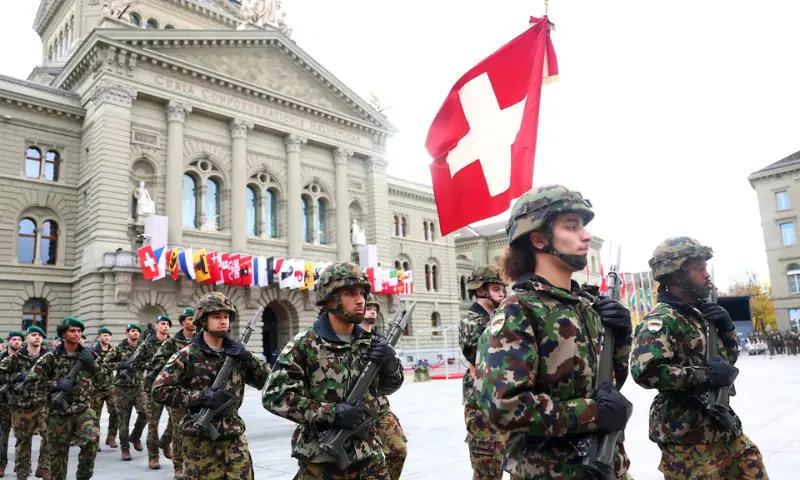
Swiss voters went to the polls on Sunday to decide on a heavily debated constitutional initiative aimed at tightening the nation's traditional stance on neutrality. Championed primarily by hard-right political factions, the proposal sought to codify a rigid definition of neutrality into the Swiss constitution, barring the government from joining non-mandatory economic sanctions and restricting military cooperation. Polling stations across the alpine nation opened for in-person voting under Switzerland's renowned direct democracy framework, although the vast majority of citizens cast their ballots in advance via postal voting.
The initiative has exposed profound domestic and international disagreements over what neutrality entails in the modern geopolitical landscape. Switzerland’s historical posture has long been defined as armed neutrality, balancing diplomatic independence with active global humanitarian and financial engagement. However, the geopolitical shockwaves of Russia’s war in Ukraine fundamentally reopened national debates regarding how Bern interprets its obligations under international law. While proponents argued that strict non-alignment is vital to preserve Switzerland's reputation as an uncompromised mediator, opponents and government officials labeled the initiative 'pro-Russian,' warning that it would severely hamstring foreign policy flexibility and isolate the country from its Western allies.
Commercial & Economic Implications
For international trading houses, multinational corporations, and institutions like Kalyar Traders operating across South Asia and global markets, the Swiss neutrality debate carries significant weight. Switzerland remains a linchpin of global commodity trading, international banking, and wealth management. Any fundamental shift in Swiss sanctions policy directly impacts international trade finance, compliance frameworks, and cross-border settlement mechanisms.
While the expected rejection of the initiative maintains the status quo, the intense political debate highlights the fragile nature of international trade corridors dependent on neutral jurisdictions. For Pakistan's import-export sector—particularly in textiles, agricultural commodities, and wholesale distribution—stability in European financial and legal frameworks ensures predictable letters of credit, trade financing costs, and currency stability. Greater rigidity in Swiss policy could have disrupted international reinsurance markets, trade logistics, and global commodity pricing benchmarks centered around Geneva.
Related Intelligence: Security Crisis at UK Airbase Threatens Global Trade Routes
Stakeholder Perspectives & Market Reactions
Business federations, legal experts, and industry bodies across Europe closely monitored the vote, expressing relief at expectations that the initiative would fail. Financial sector representatives argued that adopting a rigid constitutional straitjacket would have complicated compliance with international regulatory standards, potentially exposing Swiss institutions to secondary sanctions or loss of market access in major Western economies.
Conversely, proponents of the initiative maintained that abandoning traditional flexibility undermines Switzerland's unique diplomatic leverage. Legal scholars pointed out that the debate itself reflects a broader global polarization, where nations find it increasingly difficult to maintain strict economic neutrality while participating in an interconnected, sanctions-driven global economy. Public discourse in the lead-up to the vote underscored a deep societal division between preserving historical isolationist ideals and engaging pragmatically with modern geopolitical realities.
Forward Outlook & Key Watchpoints
Following the expected rejection of the hard-right proposal, policymakers in Bern will continue navigating the delicate balance between international solidarity and traditional neutrality. Observers will closely watch how Switzerland applies sanctions frameworks in future geopolitical conflicts and whether European trade partners push for greater harmonization of regulatory policies.
For global businesses and financial analysts, the key watchpoints moving forward include potential amendments to Swiss war material export laws, shifts in international banking compliance protocols, and the ongoing impact of European geopolitical realignments on global trade finance. As international trade landscapes grow increasingly fragmented, the resilience of traditional neutral hubs will remain a critical variable for emerging market commercial strategies.
Join Our Official WhatsApp Channel
Receive live commodity alerts, policy changes, and commercial intelligence directly on WhatsApp.