
Pakistan Rebukes India at UNHRC Over Kashmir and Minority Rights
Pakistan strongly condemned New Delhi at the UN Human Rights Council, challenging India's stance on occupied Kashmir and the treatment of minorities.
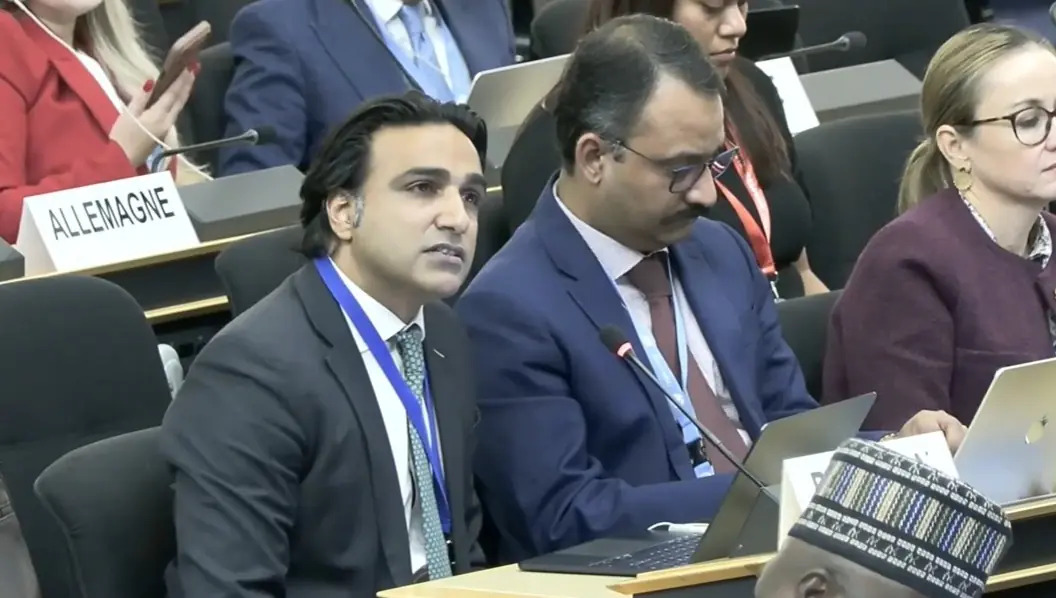
The Core Development
At the 63rd session of the United Nations Human Rights Council (UNHRC) in Geneva, diplomatic tensions escalated as Pakistan mounted a sharp rebuke against New Delhi's human rights record. Exercising its right of reply, First Secretary Adeel M. Khokhar accused Indian representatives of adopting a familiar evasive pattern whenever confronted with uncomfortable facts regarding state-sponsored actions in occupied Jammu and Kashmir and the systemic marginalization of domestic minority populations.
Khokhar categorically rejected India's long-standing assertion of territorial integration, emphasizing that Jammu and Kashmir is not, and has never been, an integral part of India. Highlighting its status as a disputed territory recognized under relevant United Nations Security Council resolutions, Pakistan underscored that repeated unilateral measures and diplomatic denials cannot alter historical and legal realities. The session brought international focus back to the protracted dispute, highlighting the divergence between New Delhi's domestic policy narratives and international legal frameworks.
Commercial & Economic Implications
While diplomatic confrontations at international forums appear primarily political, prolonged geopolitical friction between nuclear-armed neighbors carries profound implications for macroeconomic stability, regional trade corridors, and commercial sentiment within Pakistan. For trading entities such as Kalyar Traders, heightened cross-border hostility effectively stalls any prospect of reviving bilateral commerce, restricting access to crucial regional supply chains, affordable raw materials, and lucrative export markets in South Asia.
Furthermore, persistent security friction compels the government to maintain elevated defense allocations, constraining fiscal space for development spending, infrastructure modernization, and market-stimulating subsidies. In an economic environment already grappling with inflationary pressures, currency volatility, and stringent fiscal consolidation under international lending programs, geopolitical uncertainty weighs heavily on investor confidence. Retail and wholesale markets remain vulnerable to sentiment shocks, where foreign policy friction indirectly translates into higher risk premiums for domestic commerce, constrained industrial inputs, and cautious consumer spending.
Related Intelligence: Makkah Defence Alliance Formed to Bolster Regional Stability
Stakeholder Perspectives & Market Reactions
Business and trade associations across Pakistan have closely monitored the diplomatic fallout, expressing mixed reactions regarding the broader economic ramifications. While national solidarity remains paramount among trade bodies, industrial leaders frequently lament the missed opportunities of closed land borders and restricted transit trade through South Asian corridors. Chambers of commerce have repeatedly noted that normalized trade relations could significantly reduce procurement costs for raw materials, benefiting domestic manufacturing and retail pricing.
Legal experts and policy analysts view Pakistan's diplomatic intervention at the UNHRC as a necessary assertion of international law, yet they caution that persistent diplomatic stalemates limit economic diplomacy. Public response within commercial hubs remains focused on domestic inflation and purchasing power, yet there is widespread awareness that regional stability is inextricably linked to long-term market predictability and sustainable economic growth.
Forward Outlook & Key Watchpoints
As the 63rd UNHRC session progresses, market participants and policy monitors are tracking several critical indicators to gauge future diplomatic and economic trajectories. Key watchpoints include subsequent UN committee debates, potential diplomatic countermeasures by New Delhi, and any shifts in regional security postures that could impact commercial logistics.
For Pakistani businesses, navigating this complex landscape requires contingency planning against supply chain disruptions and currency fluctuations tied to geopolitical headlines. While immediate commercial impacts remain subdued due to already minimal bilateral trade, any escalation in diplomatic hostility could influence multilateral financial sentiments and regional trade policy enforcement in the quarters ahead.
Join Our Official WhatsApp Channel
Receive live commodity alerts, policy changes, and commercial intelligence directly on WhatsApp.