
Kashmir's Dal Lake Crisis Threatens Regional Ecology and Trade
Dal Lake's fragile ecosystem in Kashmir deteriorates amid mounting environmental pressures, threatening local economies, tourism, and regional stability.
Geopolitical & Core Developments
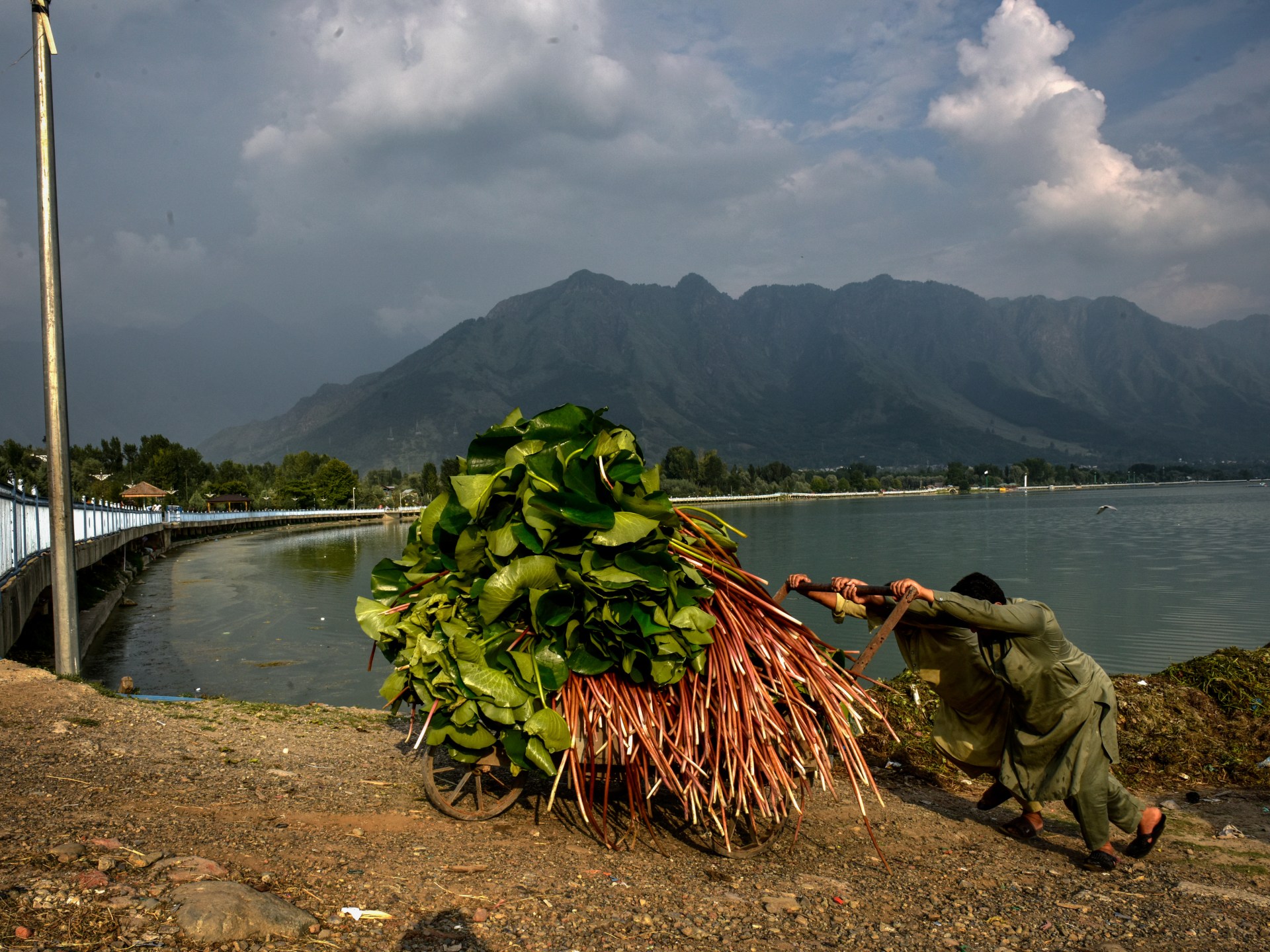
Dal Lake, the iconic centerpiece of the Kashmir Valley, is facing an existential crisis driven by accelerating climate change, unchecked urbanization, and severe environmental degradation. Historically celebrated as the 'Jewel in the Crown of Kashmir,' the lake's ecosystem is buckling under the pressure of decades of untreated sewage discharge, agricultural runoff, and rampant commercial encroachment along its shoreline. State actors and municipal authorities in Srinagar have struggled to balance rapid commercial expansion with stringent ecological preservation. Unregulated construction, including the proliferation of houseboats, hotels, and residential structures, has systematically constricted the lake's water body, drastically reducing its overall surface area and depth over the past several decades. Furthermore, shifting weather patterns, characterized by erratic snowfall, receding glaciers in the surrounding Himalayan ranges, and unseasonal rainfall, have disrupted the natural hydrological cycle that sustains the basin. Geopolitical sensitivities in the disputed region further complicate coordinated environmental governance, as cross-border water resource management remains a persistent point of contention between India and Pakistan, stalling comprehensive bilateral conservation frameworks that could otherwise address upstream ecological vulnerabilities.
Global Trade & Economic Ripples
While Dal Lake is primarily a localized hydrological and cultural landmark, the socio-economic repercussions of its degradation extend far beyond the immediate Kashmir Valley, impacting broader regional trade and commercial networks. The lake is the lifeblood of Srinagar's multi-million-dollar tourism industry, supporting thousands of hoteliers, handicraft artisans, houseboat owners, and traditional vendors whose livelihoods depend on a pristine aquatic environment. As water quality deteriorates—manifested by massive algal blooms, eutrophication, and foul odors—tourist inflows face potential contraction, directly suppressing hospitality revenues and dampening local consumer demand. Beyond tourism, the surrounding fertile valley is crucial for regional agriculture and horticulture, producing world-renowned commodities such as saffron, apples, and walnuts. Environmental degradation and microclimatic shifts threaten the agricultural output and supply chain integrity of these high-value exports, creating inflationary pressures in domestic markets and reducing export volumes to international destinations across the Middle East, Europe, and North America. International trade analysts warn that chronic ecological neglect in vital South Asian watershed regions can destabilize localized commercial ecosystems, leading to capital flight and diminished investor confidence in regional infrastructure projects.
Related Intelligence: Gaza Mass Burial Underscores Deepening Humanitarian Crisis And Regional Market Strain
International Reactions & Diplomatic Stances
Environmental watchdogs and international bodies, including the United Nations Environment Programme (UNEP) and various global conservation alliances, have repeatedly flagged the fragile state of Himalayan aquatic ecosystems. International climate experts emphasize that high-altitude freshwater lakes serve as critical barometers for global warming, warning that the deterioration of Dal Lake mirrors broader environmental distress across the Third Pole. Local civil society organizations, environmental lawyers, and activist groups have petitioned higher judicial authorities in India, demanding stricter enforcement of zoning laws and the immediate cessation of illegal commercial construction along the lake's perimeter. However, diplomatic tensions between regional powers have historically hindered multilateral environmental aid and technical knowledge-sharing. While foreign investors and international tourism boards continue to monitor the situation, market analysts note that multilateral financial institutions are increasingly hesitant to fund regional infrastructure projects that lack rigorous environmental impact assessments and sustainable development guarantees.
Strategic Outlook & Future Scenarios
Looking ahead, the trajectory of Dal Lake will depend heavily on the implementation of decisive, long-term policy interventions by regional and national governance bodies. Upcoming international climate summits and regional environmental conferences will likely place renewed focus on Himalayan water security and sustainable urban planning in ecologically sensitive zones. Experts outline two primary future scenarios: a pessimistic trajectory involving complete ecological collapse, irreversible loss of biodiversity, and the economic devastation of local dependent communities; and an optimistic pathway centered on aggressive ecological restoration, massive investments in modern sewage treatment plants, strict enforcement of anti-encroachment laws, and community-driven conservation initiatives. Achieving the latter scenario requires unprecedented cooperation between government policymakers, commercial stakeholders, and international environmental agencies. Without immediate corrective measures, the degradation of Dal Lake risks becoming a cautionary tale of ecological mismanagement, highlighting the vulnerability of critical natural assets to the dual pressures of climate change and commercial exploitation.
Join Our Official WhatsApp Channel
Receive live commodity alerts, policy changes, and commercial intelligence directly on WhatsApp.