
Gaza Mass Burial Underscores Deepening Humanitarian Crisis And Regional Market Strain
The return of 105 remains for burial in Gaza highlights the profound human cost of the ongoing conflict, amplifying international diplomatic pressure and keeping global energy and shipping markets on high alert.
Geopolitical & Core Developments
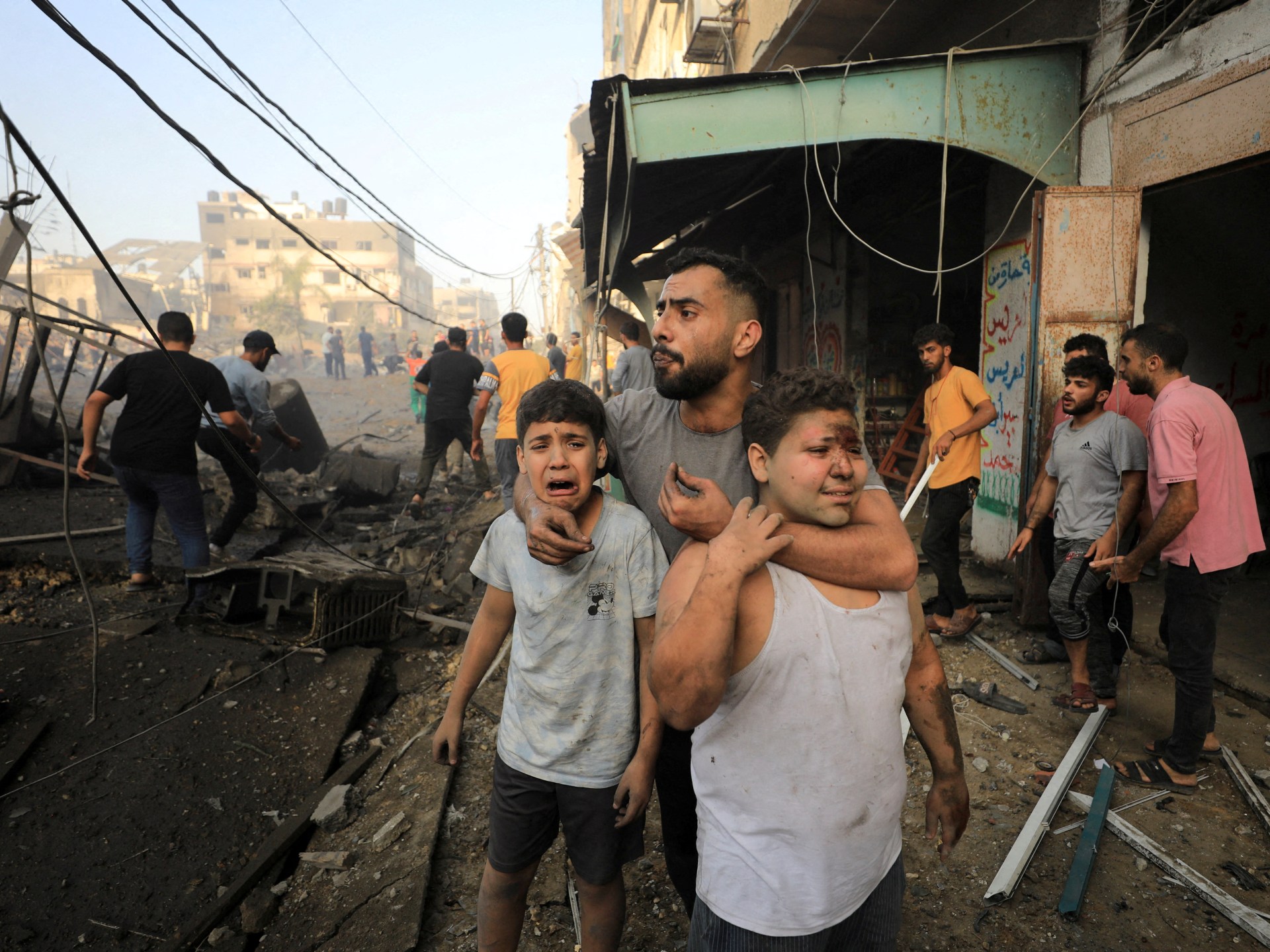
The return and subsequent mass burial of 105 bodies in Gaza mark a grim milestone in the protracted military campaign, underscoring the catastrophic human cost and the severe breakdown of local civic infrastructure. Families and local authorities gathered to process the remains, returned through coordination channels, highlighting the immense challenges facing humanitarian operations on the ground. This somber event unfolds against a backdrop of stalled diplomatic breakthroughs, where international mediators struggle to secure durable ceasefires or sustainable corridors for aid delivery. The persistence of high-intensity conflict continues to redraw political alignments across the Middle East, straining bilateral ties between traditional allies and regional powers while freezing broader normalization initiatives. State actors across the globe find themselves increasingly polarized, as the prolonged crisis tests the limits of international humanitarian law and multilateral crisis management frameworks.
Global Trade & Economic Ripples
Beyond the immediate humanitarian devastation, the enduring conflict exerts persistent pressure on global commodity markets and international trade routes. The geopolitical friction centered in the Levant directly influences investor sentiment regarding broader Middle Eastern stability, injecting a permanent risk premium into global energy markets. Crude oil benchmarks remain sensitive to any rhetoric or operational developments that threaten maritime chokepoints, particularly the Bab el-Mandeb strait and the Red Sea corridor. Supply chain disruptions resulting from security rerouting around the Cape of Good Hope have institutionalized elevated freight rates and extended transit times between Asian manufacturing hubs and European consumer markets. Furthermore, agricultural and industrial commodities face intermittent pricing volatility as insurers reassess regional risk profiles, forcing multinational corporations to diversify supply chains and hedge against prolonged geopolitical instability.
Related Intelligence: DR Congo Ebola Violence Threatens Regional Stability and Mineral Supply Chains
International Reactions & Diplomatic Stances
Multilateral institutions and global capitals have responded with heightened urgency, though concrete policy shifts remain elusive. The United Nations and various humanitarian agencies have repeatedly condemned the civilian toll, demanding unhindered access for emergency relief and independent investigations into operational conduct. Major economies, including the United States, European Union member states, and regional partners, are engaged in delicate high-level talks to prevent a wider regional conflagration involving proxy networks and state militaries. Market analysts note that while official diplomatic channels remain open, the divergence in strategic interests among permanent members of the UN Security Council continues to paralyze binding resolutions, leaving economic actors to navigate a fragmented and unpredictable regulatory landscape.
Strategic Outlook & Future Scenarios
Looking ahead, the trajectory of the conflict will heavily dictate macroeconomic stability and geopolitical risk assessments through the upcoming quarters. Key escalation points include potential military expansions along northern borders and the implementation of stricter international trade sanctions or compliance measures targeting financial flows. Upcoming diplomatic summits will test whether multilateral coalitions can forge a credible roadmap for post-conflict reconstruction and governance in Gaza. For institutional investors and commodity traders, the baseline assumption must account for protracted volatility, where sudden diplomatic breakthroughs or unexpected military escalations can instantly redefine pricing models across energy, shipping, and foreign exchange markets.
Join Our Official WhatsApp Channel
Receive live commodity alerts, policy changes, and commercial intelligence directly on WhatsApp.