
Pakistan Political Crisis Threatens South Asian Economic Stability
Pakistan's escalating political crisis under regional leadership challenges macroeconomic stability and international trade frameworks across South Asia.
Geopolitical & Core Developments
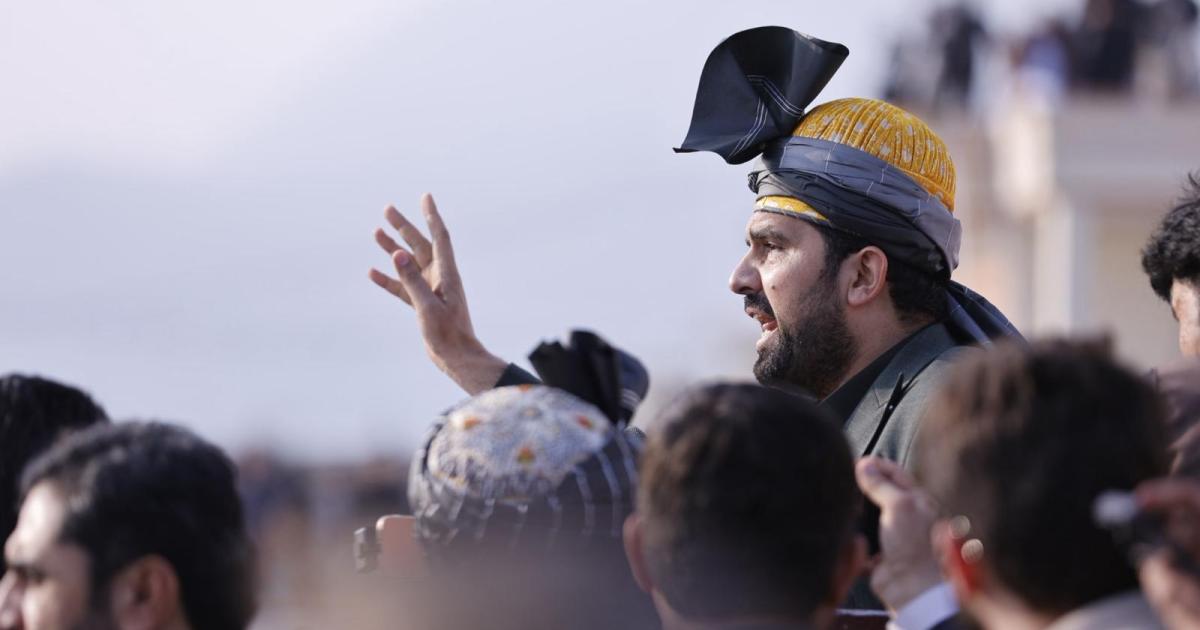
The political landscape of Pakistan has entered a volatile new phase as 37-year-old Sohail Afridi, Chief Minister of the Khyber Pakhtunkhwa province, assumes a commanding national role for the opposition Pakistan Tehreek-e-Insaf (PTI) party. Imprisoned former Prime Minister Imran Khan remains a potent political symbol, and Afridi's rise marks a generational shift in opposition strategy. Operating from the restive northwestern province bordering Afghanistan, Afridi has transformed regional governance into a focal point for national anti-government mobilization. State actors, military leadership, and civilian authorities are locked in a high-stakes standoff that tests the institutional boundaries of the nuclear-armed state. The strategic stakes extend far beyond domestic political maneuvering, directly influencing internal security along critical border regions and testing the resilience of Pakistan's fragile democratic framework amid ongoing legal battles and mass mobilizations.
Global Trade & Economic Ripples
While primarily domestic in origin, the protracted political instability in Pakistan carries significant implications for regional commerce and global commodity markets. As a vital economic corridor linking Central Asia to maritime trade routes through the Arabian Sea, prolonged paralysis in Islamabad and provincial capitals threatens supply chain reliability. International lenders, notably the International Monetary Fund (IMF), closely monitor the enforcement of fiscal reforms against a backdrop of rising civil unrest. Commodity pricing, particularly imported energy and agricultural goods, remains vulnerable to currency fluctuations driven by political uncertainty. Foreign direct investment has slowed significantly as multinational corporations reassess sovereign risk parameters. Furthermore, trade flows along key overland routes could face disruptions should regional security deteriorate, impacting bilateral commerce with neighboring economies and international trading partners in the Middle East and Europe.
Related Intelligence: Philippine Transport Strikes Erupt Amid Middle East Fuel Shock
International Reactions & Diplomatic Stances
International bodies and strategic partners have expressed growing concern over Pakistan's internal trajectory, emphasizing the necessity of constitutional governance and the rule of law. Western capitals and multilateral institutions have urged all political stakeholders to exercise restraint and pursue dialogue to resolve institutional deadlocks. While formal diplomatic statements remain cautious to avoid direct interference in domestic affairs, foreign policy analysts warn that prolonged political friction undermines Pakistan's capacity to fulfill international financial obligations and security commitments. Global financial markets continue to price in elevated sovereign risk, reflecting apprehension among foreign investors regarding policy continuity, debt sustainability, and the security of strategic infrastructure projects tied to international trade initiatives.
Strategic Outlook & Future Scenarios
Looking ahead, the trajectory of Pakistan's political crisis hinges on the outcome of legal appeals surrounding Imran Khan and the efficacy of Sohail Afridi's national mobilization strategy. Escalating confrontations between the state apparatus and opposition forces could trigger further regulatory crackdowns, deterring foreign investment and delaying critical structural reforms mandated by international creditors. Conversely, a negotiated political settlement or a shift toward institutional compromise could stabilize currency values and restore confidence in emerging market debt instruments. Upcoming regional elections and judicial milestones will serve as critical indicators of whether South Asia's fifth-most populous nation can avert deeper economic fragmentation and reestablish a predictable environment for international commerce and diplomacy.
Join Our Official WhatsApp Channel
Receive live commodity alerts, policy changes, and commercial intelligence directly on WhatsApp.