
UNGA 81 Concludes with Artificial Intelligence and Global Conflicts Dominating World Stage
The 81st United Nations General Assembly concluded with world leaders locked in urgent debates over artificial intelligence regulation, the Palestinian conflict, and escalating global economic fragmentation.
Geopolitical & Core Developments
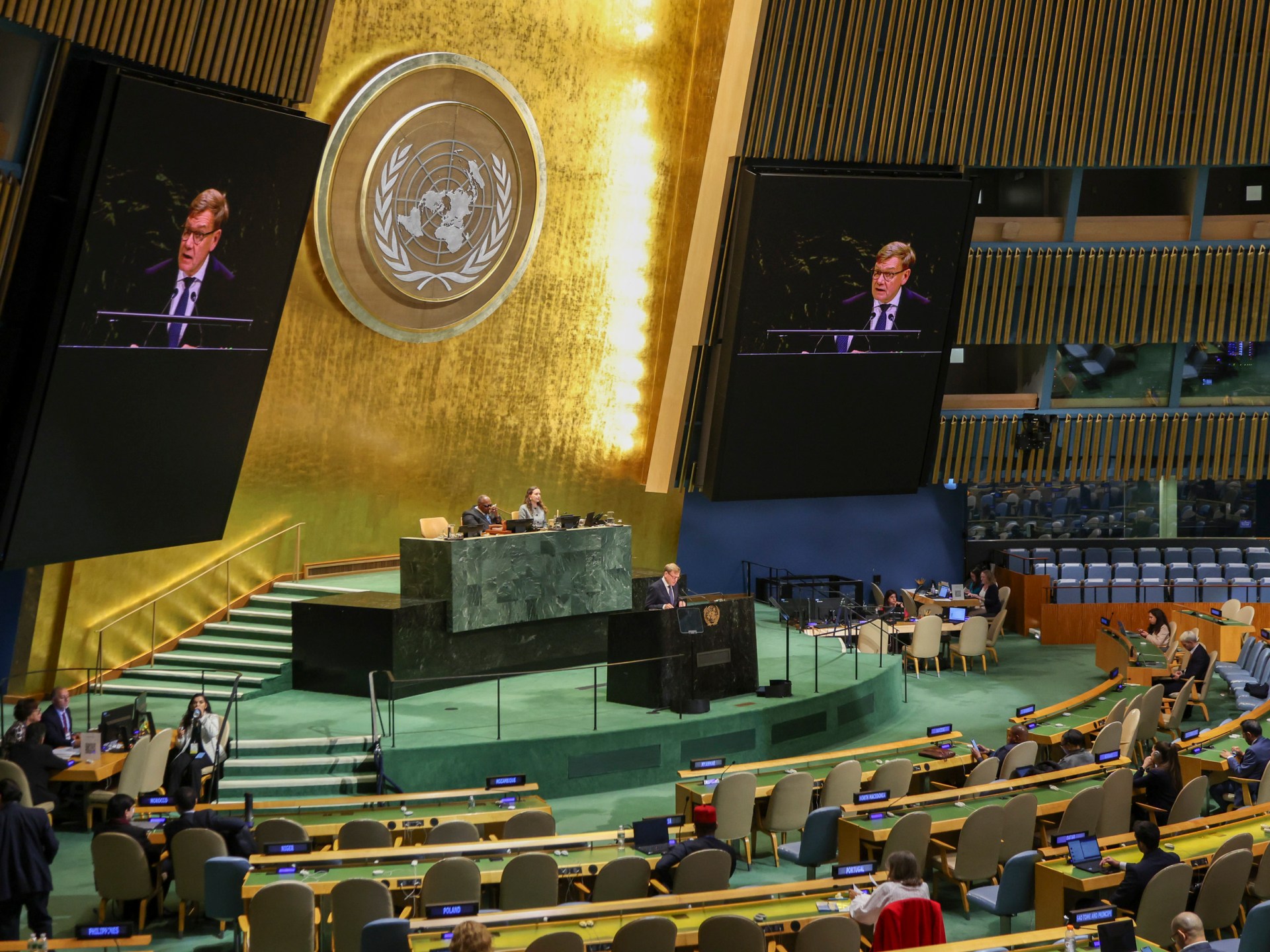
The 81st United Nations General Assembly (UNGA 81) concluded its high-level general debate in New York today, leaving diplomats and global strategists grappling with a rapidly fracturing international order. Unlike previous sessions focused strictly on post-pandemic recovery, UNGA 81 was defined by the converging crises of unchecked artificial intelligence proliferation, intractable armed conflicts, and a deep crisis of multilateral governance. State actors from the Global South and advanced industrialized economies alike expressed alarm over the erosion of international humanitarian law, particularly concerning ongoing hostilities in the Middle East and Eastern Europe. The Palestinian question remained the central diplomatic flashpoint, with dozens of heads of state utilizing the podium to demand immediate ceasefires and a credible pathway toward sovereign statehood. Concurrently, the unprecedented acceleration of generative artificial intelligence and autonomous weapons systems forced unprecedented discussions regarding global regulatory frameworks, cybersecurity, and the existential risks posed by unregulated technological advancement. Major powers clashed over governance models, highlighting a widening technological and diplomatic divide between Washington, Beijing, and Brussels. The summit underscored a profound transition in global politics, where traditional territorial disputes are now inextricably linked with technological dominance and critical infrastructure vulnerability.
Global Trade & Economic Ripples
The geopolitical friction and diplomatic posturing witnessed at UNGA 81 carry immediate, profound implications for global commodity markets, international trade routes, and macroeconomic stability. Speeches addressing maritime security and trade corridor vulnerabilities directly impacted investor sentiment across major energy and agricultural hubs. With ongoing disruptions in critical shipping lanes such as the Red Sea and the Black Sea, international freight rates and marine insurance premiums remain elevated, exerting persistent upward pressure on consumer price indices worldwide. Energy markets reacted sensitively to diplomatic pronouncements concerning sanctions regimes and Middle Eastern stability, causing crude oil futures to fluctuate amidst fears of sudden supply shocks. Furthermore, deliberations surrounding technological decoupling and export controls on semiconductors and critical minerals signal further fragmentation of global supply chains. Multinational corporations are increasingly forced to reconfigure procurement strategies, pivoting away from vulnerable transnational networks toward localized or allied-nation sourcing, known colloquially as friend-shoring. This structural shift is driving capital expenditure higher across industrial sectors, altering long-term foreign direct investment flows and currency valuations in emerging market economies heavily reliant on commodity exports.
Related Intelligence: Campus Unrest at Indian University Tests Higher Education Security and Governance
International Reactions & Diplomatic Stances
The UN leadership used the closing sessions to issue stark warnings regarding the paralysis of the Security Council, urging member states to recommit to multilateralism before global tensions cross irreversible thresholds. United Nations officials emphasized that the credibility of international institutions hangs in the balance, citing the inability of the international community to enforce resolutions in active conflict zones. Meanwhile, regional multilateral bodies, including the European Union, the Association of Southeast Asian Nations, and the African Union, presented unified fronts demanding urgent financial and humanitarian assistance to combat compounding food security crises. Market analysts and economic think tanks responding to the proceedings noted a distinct divergence between diplomatic rhetoric and commercial reality. While political leaders focused heavily on normative declarations regarding peace and technological ethics, corporate stakeholders and institutional investors concentrated on the tangible risks of asset expropriation, regulatory compliance costs, and currency volatility resulting from escalating trade protectionism. Representatives from major developing economies forcefully reiterated demands for comprehensive reform of international financial institutions, arguing that current debt relief structures and lending rates exacerbate structural inequalities.
Strategic Outlook & Future Scenarios
Looking ahead, the geopolitical landscape shaped at UNGA 81 sets a tense precedent for upcoming diplomatic engagements, including the upcoming G20 summit and COP climate conferences. Strategic analysts anticipate a hardening of adversarial blocs, with technological nationalism and resource competition serving as the primary drivers of foreign policy over the next fiscal year. Sanctions compliance will likely become more stringent, requiring multinational firms to deploy advanced compliance architecture to navigate overlapping regulatory jurisdictions. In the commodity sector, market participants must price in the persistent risk of localized escalations disrupting vital transit chokepoints, necessitating diversified hedging strategies and higher strategic reserves of critical inputs. Ultimately, the outcomes of UNGA 81 signal that the global economy is entering a protracted era of managed fragmentation, where national security imperatives routinely override traditional free-market efficiencies, fundamentally altering the calculus of international trade and commerce for the foreseeable future.
Join Our Official WhatsApp Channel
Receive live commodity alerts, policy changes, and commercial intelligence directly on WhatsApp.