
Pakistan Mediates Regional Tensions as Iran Outlines Seven-Point Peace Framework
Pakistan's high-level military delegation engaged Iranian leadership in Tehran, seeking de-escalation as Iran conditioned negotiations with Washington on the acceptance of a comprehensive seven-point framework.
The Core Development
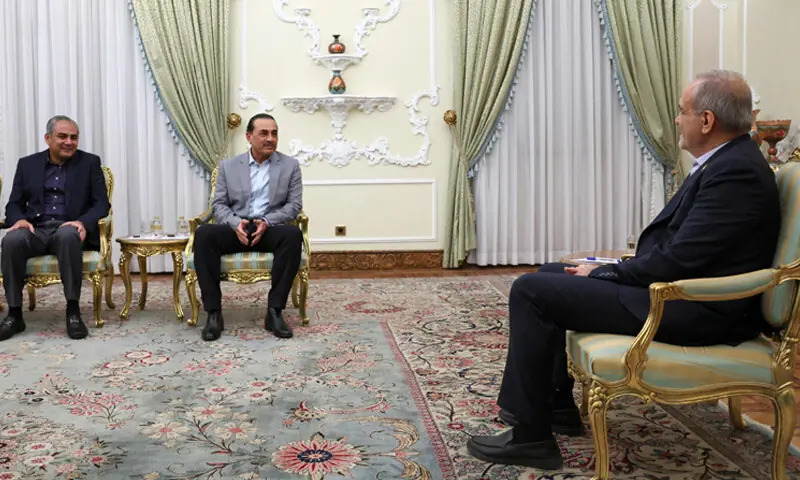
High-level diplomatic maneuvering gained momentum in Tehran as Pakistan's Chief of Defence Forces and Chief of Army Staff, accompanied by Interior Minister Mohsin Naqvi, held crucial bilateral discussions with the upper echelon of the Iranian administration. The high-level delegation met directly with Iranian President Masoud Pezeshkian, Parliament Speaker Mohammad Bagher Ghalibaf, Foreign Minister Abbas Araghchi, and Mohsen Rezaei, secretary of the Supreme National Security Council and personal representative of Iran’s Supreme Leader.
The central message articulated by Tehran during the talks underscored that the United States must initiate practical steps to restore diplomatic trust before any structured dialogue resumes. Iranian officials emphasized that progress hinges upon the initial acceptance of Tehran's seven-point proposal, framed as the baseline for re-entering multilateral or bilateral security arrangements. Pakistan's strategic presence in Tehran highlights an urgent regional posture to prevent the outbreak of active hostilities, leveraging its long-standing channels with both Western capitals and neighboring Tehran to defuse an escalating geopolitical flashpoint.
Commercial & Economic Implications
For Pakistan's domestic economy, regional conflict carries acute commercial risks that threaten nascent macroeconomic stability. Direct spillover from hostilities in the Middle East poses immediate exposure to global crude supply chains, freight insurance premiums, and localized trade corridors. In southwestern Pakistan, specifically along the 900-kilometer shared border in Balochistan, local commercial ecosystems rely heavily on cross-border logistics.
Wholesale markets across Quetta, Karachi, and southern Punjab maintain operational dependence on Iranian imports, particularly liquefied petroleum gas (LPG), petrochemical inputs, construction materials, and food staples. Heightened military confrontations frequently lead to abrupt border closures, creating supply-side bottlenecks that feed directly into national headline inflation. An escalation would disrupt informal and barter trade mechanisms that have sustained regional retail and wholesale distribution amid chronic foreign exchange shortages. Furthermore, sustained maritime friction in the Strait of Hormuz directly threatens Pakistan's energy security, exposing oil marketing companies to volatile spot pricing and exacerbating domestic fuel price adjustments.
Related Intelligence: UK Counter-Terror Police Re-Arrest Two Men Suspected of Aiding Iranian Intelligence
Stakeholder Perspectives & Market Reactions
Market participants and commercial associations across Pakistan have observed the diplomatic mission with measured relief. The Federation of Pakistan Chambers of Commerce and Industry (FPCCI) and regional barter trade operators have repeatedly cautioned that geopolitical isolation along the western border undermines cross-border barter frameworks formalized over the past two fiscal years.
Institutional investors on the Pakistan Stock Exchange (PSX) have exhibited volatility aligned with Middle Eastern geopolitical risks, where energy and transport sectors remain acutely sensitive to international oil price swings. Legal and international trade analysts maintain that formalizing border compliance while preserving diplomatic neutrality is critical for Islamabad. Public sentiment and business leadership broadly endorse the diplomatic mediation, recognizing that Pakistan's fiscal framework cannot withstand another external supply shock or sudden surges in import-driven consumer price indexes.
Forward Outlook & Key Watchpoints
The trajectory of regional stability now hinges on Washington's informal assessment of Tehran’s seven-point proposal and whether intermediary nations can construct actionable confidence-building measures. In the immediate term, monitoring will center on whether backchannel communications produce a reduction in localized military posturing and rhetoric across the Persian Gulf.
For Pakistani policymakers and business operators, key operational watchpoints include border crossing protocols at Taftan and Gabd-Rimdan, maritime freight rate adjustments, and the sustainability of ongoing bilateral energy settlement negotiations. Should diplomatic friction cool, attention will shift back toward institutionalizing bilateral clearance systems and safeguarding regional transit corridors from collateral regulatory and kinetic risks.
Join Our Official WhatsApp Channel
Receive live commodity alerts, policy changes, and commercial intelligence directly on WhatsApp.