
Gaza Military Testimonies Spark Israeli Political Outcry and Global Legal Scrutiny
Resurfaced testimonies from Israeli soldiers regarding operations in Gaza have triggered fierce domestic political backlash, compounding international legal exposure and threatening defense export frameworks across Western capitals.
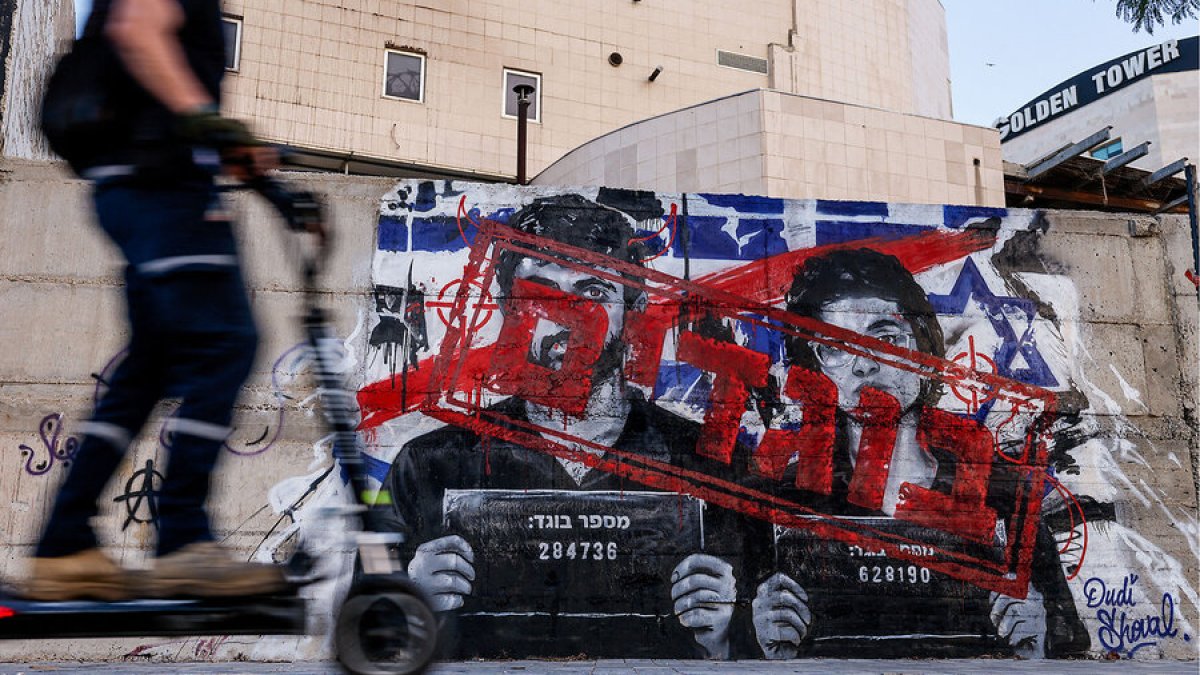
Geopolitical & Core Developments
The resurfacing of operational testimonies from Israeli defense personnel regarding combat conduct in the Gaza Strip has ignited acute domestic political discord while sharpening scrutiny across international legal forums. Testimonies collected by veteran organizations and independent investigative entities detailing battlefield rules of engagement, property destruction, and civilian exposure have triggered sharp condemnation from across Israel's political establishment. Government ministers, coalition parliamentarians, and senior defense figures have characterized the public circulation of such accounts as an assault on military cohesion and a strategic liability during an active, multi-theater security confrontation.
At the core of the political backlash lies the intersection between domestic accountability and external legal vulnerability. With the International Court of Justice (ICJ) examining allegations concerning state responsibilities under the Genocide Convention and the International Criminal Court (ICC) pursuing arrest warrants against senior leadership, internal whistleblower accounts carry profound geopolitical implications. Israeli authorities maintain that domestic Military Advocate General mechanisms provide sufficient oversight to investigate individual infractions, dismissing non-governmental reporting as unilateral instruments that fuel international legal campaigns. Conversely, human rights monitors argue that rigorous internal documentation is vital to uphold statutory obligations under international humanitarian law.
Global Trade & Economic Ripples
The domestic and legal fallout over operational documentation is generating tangible economic headwinds for Israel's international commercial relations. In the European Union, Israel's foremost commercial partner, several member states and parliamentary blocs have stepped up demands for a comprehensive review of the EU-Israel Association Agreement, centering on the human rights conditionality outlined in Article 2. Any institutional freeze or selective suspension of bilateral trade preferences threatens critical sectors, including high-tech manufacturing, precision machinery, and agricultural exports.
Simultaneously, the strategic controversy is reverberating through sovereign risk assessments and defense industrial supply chains. Western governments, including the United Kingdom, Germany, Canada, and the Netherlands, face persistent domestic legal challenges aimed at curbing arms transfers, leading to tighter export license scrutiny and selective suspensions of dual-use technologies. Institutional asset managers governed by Environmental, Social, and Governance (ESG) standards are similarly re-evaluating exposure to Israeli defense enterprises and sovereign debt, introducing a localized risk premium to cross-border capital acquisition.
Related Intelligence: US Court Blocks Federal Framework Deporting Migrants to Third Nations
International Reactions & Diplomatic Stances
Multilateral bodies and key Western allies have responded with divergent diplomatic postures. United Nations agencies, headed by the Office of the High Commissioner for Human Rights (OHCHR), have consistently highlighted that credible accounts from combatants underscore the necessity for unimpeded, independent international inquiries into the conduct of hostilities. UN special rapporteurs maintain that internal military investigations rarely result in systemic accountability, urging international state parties to fulfill their legal obligations under universal jurisdiction statutes.
In Washington, the administration faces persistent friction between its enduring strategic commitment to Israel's security and statutory mandates such as the Leahy Laws, which restrict foreign military assistance to units credibly linked to gross human rights violations. While American officials maintain diplomatic protection for Tel Aviv at multilateral forums, bilateral communiques have increasingly pressed for institutional transparency to defend existing military assistance appropriations before Congress. The Israeli Ministry of Foreign Affairs and defense leadership continue to push back forcefully against foreign critiques, asserting that the military adheres to strict operational standards under dense urban warfare conditions.
Strategic Outlook & Future Scenarios
The strategic trajectory points toward intensified polarization between Israel's domestic legislative agenda and international legal frameworks. Domestically, conservative lawmakers are accelerating initiatives to impose stringent regulatory curbs and fiscal penalties on foreign-funded civil society organizations and veteran whistleblower platforms, aiming to disrupt information pipelines to foreign bodies. Such legislative moves, however, risk escalating diplomatic tension with Western partners that regard non-governmental oversight as a prerequisite for democratic alliance cohesion.
Internationally, compiled soldier testimonies are anticipated to serve as contributory evidence in forward proceedings before the ICC and the ICJ. Should international courts issue expanded warrants or binding compliance orders, allied governments will confront severe statutory limits regarding intelligence sharing, joint exercises, and defense equipment procurement. Over the medium term, unresolved questions surrounding battlefield conduct and operational transparency will continue to impede broader Middle Eastern commercial normalization agreements, leaving bilateral relationships exposed to persistent legal and regulatory volatility.
Join Our Official WhatsApp Channel
Receive live commodity alerts, policy changes, and commercial intelligence directly on WhatsApp.