
Pakistan Temporarily Shuts Iran Border Amid Security And Smuggling Concerns
Pakistan has temporarily suspended movement along key border points with Iran, citing acute security assessments and an intensified nationwide crackdown against unregulated commodity smuggling.
The Core Development
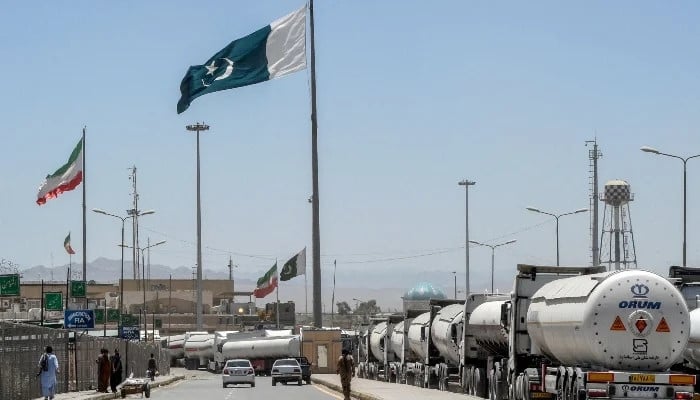
Pakistani authorities have instituted a temporary closure of primary border crossing points connecting Balochistan with Iran, citing emergent security advisories and a mandate to suppress illicit cross-border trafficking. Official sources confirmed that transit through sensitive corridors, including the Taftan and Gabd-Rimdan terminals, was suspended pending comprehensive security evaluations. The decision follows coordinated evaluations by interior and defense officials aimed at preempting cross-border insurgent activity and stemming the leakage of unrecorded commercial inventory. While official state-to-state diplomatic engagement remains intact, ground personnel have tightened cordons across the roughly 900-kilometer frontier, halting commercial truck columns and pedestrian traffic under strict regulatory protocols.
Commercial & Economic Implications
The suspension directly affects informal and formal commercial supply lines across western Pakistan, where border communities rely heavily on Iranian imports. Iranian petroleum products, liquefied petroleum gas (LPG), plastics, and essential edibles like cooking oil and dates constitute a multi-million-dollar localized shadow economy. The sudden cessation of logistics risks immediate commodity price inflation in Quetta, Gwadar, and downstream retail hubs across Sindh and Punjab. Wholesale markets dependent on discounted energy supplies face margin compression as freight operators redirect reliance toward heavily taxed domestic petroleum networks. Furthermore, newly structured barter-trade arrangements established by the Ministry of Commerce face operational friction, threatening to delay documented bilateral shipments valued at tens of millions of dollars.
Stakeholder Perspectives & Market Reactions
Regional trade organizations, including the Quetta Chamber of Commerce and Industry (QCCI) and local transport unions, have expressed profound concern over the logistical freeze, pointing to perishable inventory trapped inside clearance yards. Industry representatives note that extended closures disproportionately penalize legitimate micro-importers operating under border trade quotas while doing little to dismantle organized, deep-desert smuggling cartels. Conversely, federal fiscal regulators and law enforcement agencies maintain that the unilateral suspension is indispensable for establishing economic sovereignty. Tax authorities argue that uncurbed petroleum inflows have cost billions of rupees in lost petroleum development levies and sales tax, requiring absolute border control during heightened national security operational phases.
Forward Outlook & Key Watchpoints
The operational hiatus is expected to undergo review once joint border commission mechanisms conclude operational risk audits. Market observers are closely monitoring whether the Ministry of Interior will introduce electronic manifesting and biometrics-driven cargo clearances as preconditions for reopening. Key indicators to track over the coming fortnight include domestic retail fuel adjustments across southwestern Pakistan, bilateral diplomatic clarifications between Islamabad and Tehran, and the implementation of hardened anti-smuggling checkpoints along transit routes connecting Makran to the national arterial highway grid.
Join Our Official WhatsApp Channel
Receive live commodity alerts, policy changes, and commercial intelligence directly on WhatsApp.