
Deadly Fire at Canadian Military Installation Prompts National Security Review
A fatal fire at a Canadian military base has triggered high-level security investigations and operational reviews across North American defense installations, raising concerns over military infrastructure resilience.
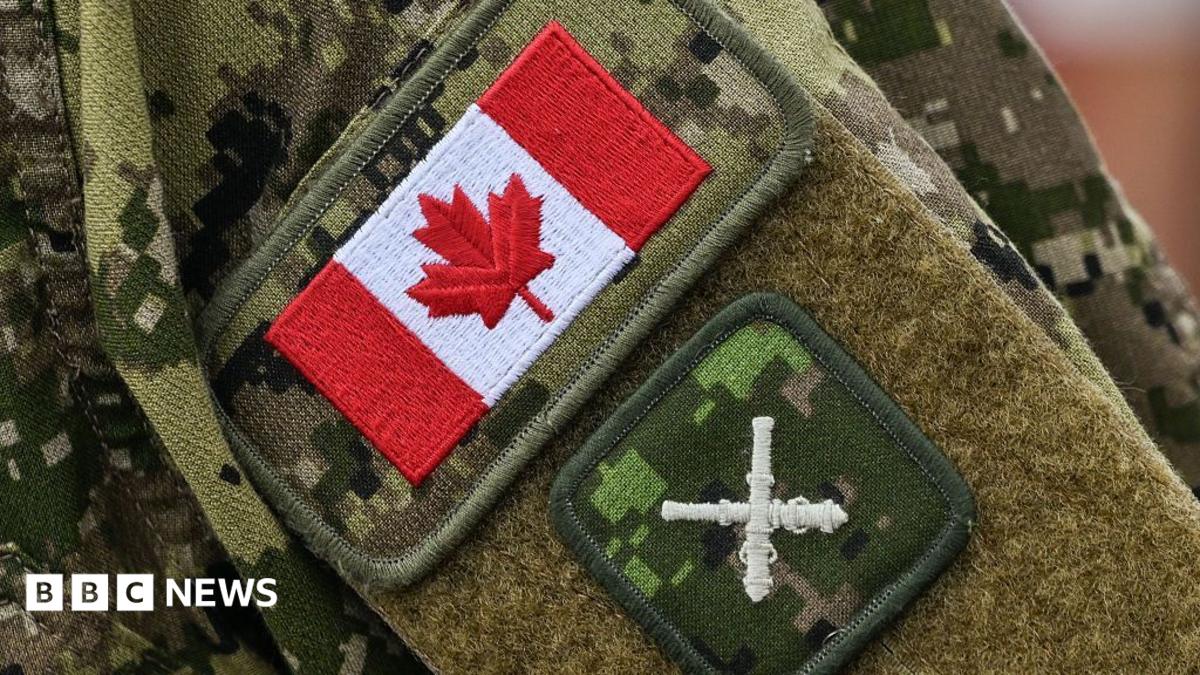
Geopolitical & Core Developments
A catastrophic fire at a prominent Canadian Armed Forces base has resulted in confirmed fatalities, prompting immediate national security measures and high-level government intervention. Defense Minister David McGuinty confirmed that multiple casualties occurred during what Canadian Prime Minister Justin Trudeau termed a severe and critical operational emergency. Initial reports indicate the incident unfolded rapidly within a specialized operational sector of the installation, compelling rapid-response military fire crews and municipal emergency units to coordinate containment measures.
The strategic posture of Canada's military facilities remains critical to Continental Defense under the bilateral North American Aerospace Defense Command (NORAD) framework and wider NATO responsibilities. Federal authorities deployed military police investigators alongside specialized forensic units to assess whether the blaze stemmed from industrial negligence, operational equipment failure, or an external security breach. While primary assessments emphasize internal structural or logistical faults, the timing intersects with extensive modernization programs across Canadian defense infrastructure, heightening parliamentary scrutiny over operational readiness and base safety protocols.
Global Trade & Economic Ripples
Although the direct geographic footprint of the base remains insulated from immediate civilian commercial hubs, secondary disruptions to regional logistics networks and public sector defense procurement have emerged. Canada's defense budget, under continuous allied pressure to align with NATO's targeted two percent GDP expenditure threshold, faces fresh demands to direct capital expenditures toward retrofitting legacy infrastructure. The incident raises operational questions for prime aerospace and defense contractors that supply ongoing maintenance, materiel, and tactical systems across Canadian bases.
Commodity and broader financial markets experienced minor localized adjustments, predominantly reflected in defense procurement equities and regional industrial supply contracts. Any prolonged disruption to specialized training schedules, logistical transport, or weapons maintenance facilities risks downstream delivery timelines for multi-tiered procurement frameworks. Global shipping channels and general energy trading remain broadly unimpacted, though the heightened physical security alert across North American military depots could impose tighter compliance and transport screening protocols on critical mineral shipments, military equipment transit, and industrial chemicals utilized in military-industrial complexes.
Related Intelligence: Nationwide Civil Unrest in France Disrupts Transport Networks and European Logistics
International Reactions & Diplomatic Stances
Allied defense departments, notably the United States Department of Defense and European NATO members, extended formal condolences while liaising with Ottawa through intelligence and military attache channels. Washington emphasized ongoing solidarity within the NORAD operational framework, highlighting shared concerns regarding operational integrity across allied defense infrastructure in North America. Representatives from the North Atlantic alliance stated that while internal domestic investigations proceed, operational support and defense information-sharing channels remain active.
Opposition leaders within the Canadian Parliament called for transparent hearings into the state of military base infrastructure, questioning whether protracted defense underinvestment contributed to facility compromises. Defense analysts and military policy institutes observed that legacy military installations across the country often balance aged architectural designs with modern electronic, ordnance, and technological suites, occasionally creating acute industrial safety vulnerabilities that require comprehensive regulatory overhauls.
Strategic Outlook & Future Scenarios
The trajectory of the investigation will largely determine the policy fallout for Canadian defense leadership. In the baseline scenario, investigators will attribute the fire to electrical, mechanical, or structural failure, precipitating an expedited audit of military facilities across all Canadian operational commands and a localized spike in capital outlays for physical base infrastructure. Under an alternate risk scenario involving materiel handling errors or ordnance mishandling, defense protocols will undergo stringent operational revisions, temporarily slowing tactical readiness cycles.
Over the medium term, Canada will confront elevated scrutiny during forthcoming NATO ministerial summits regarding defense capability metrics. If modernization audits necessitate sweeping retrofits or facility shutdowns, the military's administrative apparatus will face compounded pressure to accelerate infrastructure spending without compromising overseas commitments and Arctic security patrols. The incident serves as an immediate catalyst for defense administrative reform, forcing Ottawa to reconcile broader international security aspirations with domestic logistical realities.
Join Our Official WhatsApp Channel
Receive live commodity alerts, policy changes, and commercial intelligence directly on WhatsApp.