
Persistent Structural Impasse Thwarts Diplomatic Breakthroughs in United States-Iran Negotiations
Deep-seated policy complexes and historical hostility continue to undermine United States-Iran negotiations, locking global energy markets and regional security architectures into sustained volatility.
Geopolitical & Core Developments
Decades of institutionalized hostility between Washington and Tehran continue to frustrate diplomatic engagements, creating an enduring structural impasse that transcends changing administrations in both capitals. At the heart of the deadlock is a systemic policy complex shaped by foundational grievances dating back to the 1953 coup, the 1979 Islamic Revolution, and the subsequent hostage crisis. Over subsequent decades, these historical inflection points hardened into deeply entrenched defense architectures, legal sanction frameworks, and proxy alignments across the Middle East.
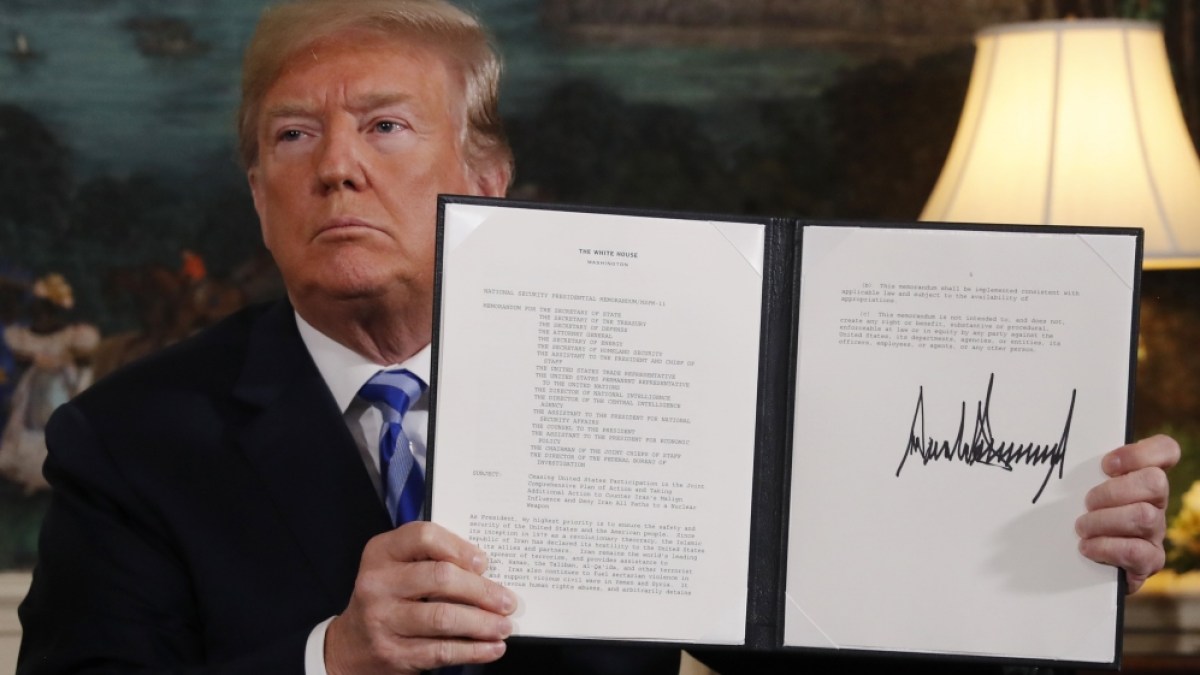
The collapse of the Joint Comprehensive Plan of Action (JCPOA) following unilateral American withdrawal in 2018 marked a critical turning point, dismantling technical verification protocols and eroding residual diplomatic trust. Subsequent efforts to reconstitute a functional diplomatic mechanism have repeatedly foundered. Washington remains constrained by bipartisan domestic legislative hurdles, including mandatory review mechanisms under the Iran Nuclear Agreement Review Act (INARA), while Tehran demands ironclad legal guarantees against future treaty abrogation—assurances that the executive branch of the United States cannot constitutionally provide. Furthermore, the expansion of Iran's enrichment capacity beyond civilian benchmarks, coupled with advanced centrifuge deployment at subterranean facilities, has drastically compressed estimated breakout timelines, elevating the geopolitical stakes from technical non-proliferation to immediate deterrence.
Global Trade & Economic Ripples
The failure to establish stable bilateral engagement reverberates directly throughout international energy markets and maritime trade. The Strait of Hormuz, through which approximately one-fifth of global petroleum consumption flows, remains subject to persistent geopolitical risk premiums. Tanker security concerns, insurance surcharges, and the specter of maritime interdictions maintain upward pressure on freight rates for both crude and refined products.
Simultaneously, the global crude balance is shaped by the parallel economy developed around sanctioned Iranian barrels. Tehran has successfully directed substantial export volumes toward non-Western buyers, predominantly independent refiners in Asia, operating through complex ship-to-ship transfers, dark fleet logistics, and non-dollar clearing mechanisms. This structural adaptation has fragmented global energy compliance regimes, creating price discounts that distort standard market benchmarks such as Brent and West Texas Intermediate. Additionally, the broader enforcement of secondary sanctions inhibits Western investment across regional infrastructure, petrochemical development, and commercial supply chains, keeping global supply margins tighter than baseline demand indicators suggest.
Related Intelligence: Fatal Incident at Canadian Military Base Sparks Global Supply Chain Concerns
International Reactions & Diplomatic Stances
Multilateral bodies and regional stakeholders have voiced escalating concern over the lack of diplomatic momentum. The International Atomic Energy Agency (IAEA) has repeatedly reported diminishing transparency regarding undeclared sites and material balances, urging Tehran to restore comprehensive monitoring capabilities to satisfy non-proliferation covenants. Western European signatories to the JCPOA have warned that the absence of a viable negotiating framework increases the probability of accidental escalation, pointing to regional proxy warfare as a compounding destabilizer.
Conversely, regional actors such as Saudi Arabia and the United Arab Emirates have pursued independent tactical de-escalation with Tehran, seeking to protect domestic economic transformation programs from regional fallout. Meanwhile, Beijing and Moscow have leveraged the diplomatic vacuum to integrate Iran more deeply into non-Western multilateral institutions, including the Shanghai Cooperation Organisation (SCO) and the expanded BRICS bloc, openly challenging the efficacy and legitimacy of unilateral Western economic sanctions.
Strategic Outlook & Future Scenarios
The diplomatic trajectory between the United States and Iran points toward an extended period of transactional friction rather than comprehensive resolution. Neither a transformative bilateral treaty nor an unconstrained military confrontation represents the primary baseline; instead, international observers anticipate an unstable equilibrium characterized by calibrated regional skirmishes, shadow maritime operations, and reciprocal cyber measures.
Upcoming diplomatic markers will hinge on the potential activation of the snapback sanctions mechanism by European signatories under United Nations Security Council Resolution 2231. Should snapback be invoked, all pre-2015 multilateral sanctions would be reimposed, extinguishing any residual pathway for direct negotiations. For global energy markets and multinational supply chains, the continuing absence of diplomatic resolution guarantees that geopolitical risk will remain an embedded factor in commodity valuation, shipping routes, and financial compliance frameworks worldwide.
Join Our Official WhatsApp Channel
Receive live commodity alerts, policy changes, and commercial intelligence directly on WhatsApp.