
Pakistan Extends Airspace Ban on Indian Carriers Through November 24
Pakistan has extended its prohibition on Indian-owned, leased, and military aircraft traversing its sovereign airspace until November 24, reinforcing regional geopolitical friction and driving up transcontinental aviation operating costs.
The Core Development
The Pakistan Airports Authority (PAA) has formally issued a fresh Notice to Airmen (NOTAM), prolonging the operational ban on Indian-registered, operated, owned, and leased aircraft traversing Pakistani airspace until November 24. This directive, which took effect over the weekend following the expiry of the previous embargo on October 24, encompasses commercial passenger carriers, dedicated air-freight haulers, and military operations originating from or managed by Indian entities.
The sovereign airspace restrictions remain one of the most visible structural consequences of prolonged diplomatic friction between Islamabad and New Delhi. Under the regulatory provisions administered by the PAA and the Ministry of Aviation, no transit clearances will be issued across primary air corridors connecting South Asia to Central Asia, the Middle East, and Europe for Indian-flagged metal. Commercial radar tracking and international air-traffic coordination confirm that long-haul movements operated by Indian international carriers continue to divert southwards via the Arabian Sea or via alternative circumnavigation routes through Gulf corridors, adding significant nautical mileage and block hours to transcontinental itineraries.
Commercial & Economic Implications
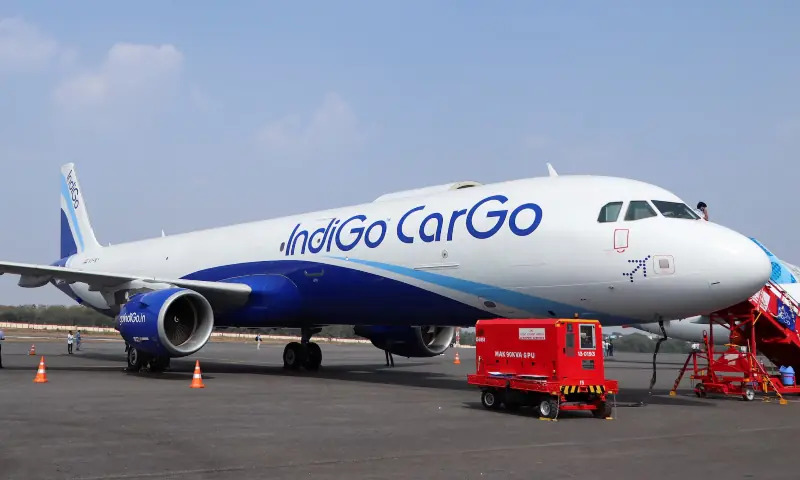
While the direct operational fallout falls disproportionately on Indian international carriers—such as Air India and IndiGo, which face extended flying hours, heightened fuel burn, and elevated crew utilization costs—the broader macroeconomic ramifications ripple across Pakistan's logistics, aviation, and trading ecosystems.
From a domestic fiscal perspective, the continued shutdown of these dense commercial air transit routes deprives the Pakistan Civil Aviation Authority of substantial overflight royalty streams, denominated in hard foreign exchange. These navigational fees historically served as a high-margin revenue anchor to underwrite civil aviation infrastructure maintenance and navigational modernization programs across Pakistan's flight information regions (FIRs).
Concurrently, regional trade channels and wholesale distribution networks face chronic friction. The prolonged disruption to unified South Asian airspace suppresses the development of multi-modal, cross-border air freight services. Pakistani high-value commodity traders, industrial spare-parts importers, and perishables exporters who rely on regional belly-hold cargo space must contend with structurally elevated insurance risk premiums, constrained capacity, and longer delivery cycles for goods routed through third-party logistics hubs in the United Arab Emirates, Qatar, or Oman. The resulting supply chain distortions add an ancillary cost layer to domestic wholesale distribution and retail input pricing.
Related Intelligence: Kenya Confirms New Ebola Cases Stoking Regional Trade and Border Concerns
Stakeholder Perspectives & Market Reactions
Regional aviation and legal analysts view the monthly rolling extensions as an entrenched instrument of defensive diplomacy, reflecting the absence of formal bilateral de-escalation mechanisms between the two nuclear-armed neighbors. Commercial aviation experts note that international carriers are forced to bake higher structural operating expenses into their tariff structures, ultimately transferring the cost burden to transit passengers and commercial cargo underwriters.
Logistics and clearing agents operating within Pakistan's primary commercial centers note that regional geopolitical impasses continue to inhibit the maturation of northern transport corridors. Domestic trade associations emphasize that while Pakistan's sovereign airspace security remains paramount, the long-term regional isolation of air transport networks prevents the normalization of commercial logistics that could otherwise alleviate inflationary pressures on transshipment overheads.
Forward Outlook & Key Watchpoints
The current NOTAM mandates the airspace embargo through the early hours of November 24. Market observers and civil aviation authorities will closely monitor whether the PAA institutes another sequential rolling extension or if backchannel diplomatic engagements introduce selective regulatory easements for commercial charters.
Key watchpoints over the coming weeks include potential recalibrations in global airline routing schedules ahead of the peak winter cargo and passenger travel period, updates to international jet-A1 fuel surcharges on long-haul routes connecting Europe to South Asia, and the broader posture of Pakistan's federal leadership regarding trade and transit normalizations within the regional geopolitical matrix.
Join Our Official WhatsApp Channel
Receive live commodity alerts, policy changes, and commercial intelligence directly on WhatsApp.