
Kolkata Religious Stampede Claims 17 Lives Amid Severe Weather Disruptions
A fatal stampede triggered by sudden rainfall at a Kolkata religious congregation has left 17 dead and 25 injured, underscoring structural crowd-control vulnerabilities across regional mass gatherings.
The Core Development
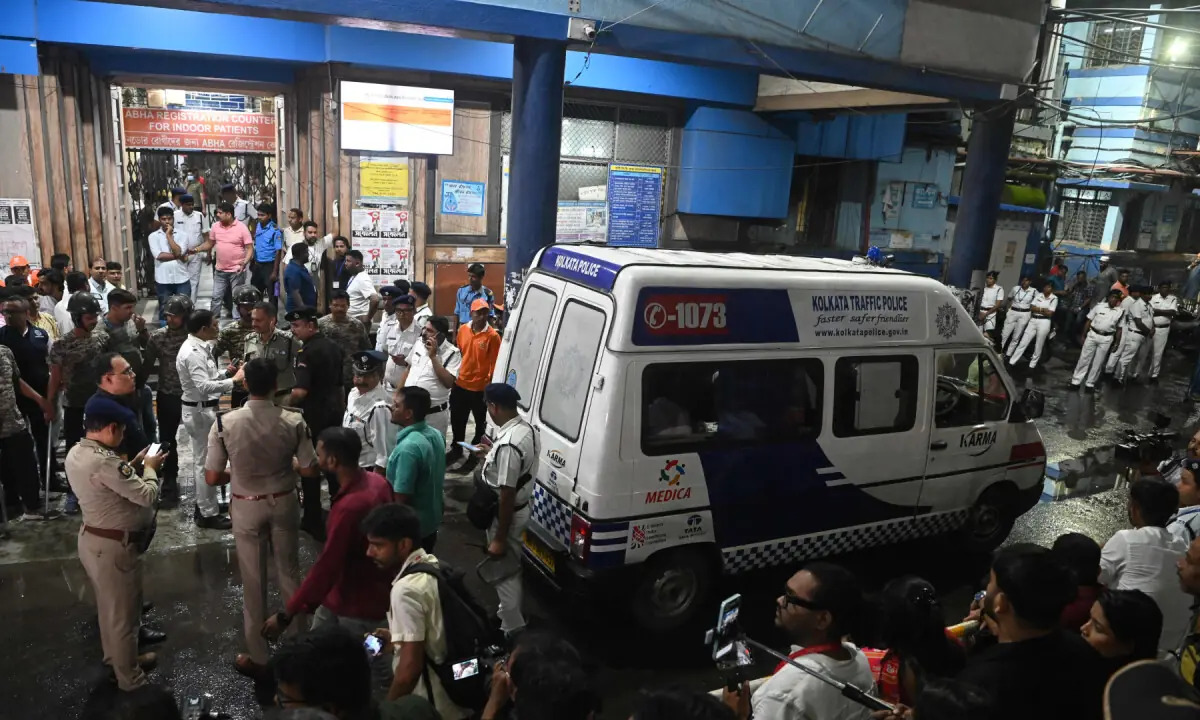
A catastrophic crowd surge outside a major festival pavilion in Kolkata, the capital of India's West Bengal state, has resulted in the deaths of at least 17 worshippers and left 25 others critically injured. The disaster unfolded on Saturday evening during peak celebrations for the annual Durga Puja festival, an event that draws millions into public squares, makeshift pavilions, and arterial thoroughfares. Local emergency responders indicated that sudden, intense rainfall struck an already congested outdoor concourse, prompting thousands of attendees to simultaneously scramble toward covered entryways and narrow transit passages.
According to regional authorities, the abrupt movement overwhelmed perimeter barricades, creating an intense crush at the pavilion gates. Officials confirmed that the deceased include a seven-year-old girl, while hospital authorities continue working to identify victims amid chaotic scenes at nearby emergency wards. Administrative representatives reported that six victims had been officially identified by late Saturday night. Municipal law enforcement and disaster response teams arrived at the scene shortly after the collapse of crowd barriers, halting festival proceedings to clear debris and coordinate emergency triage operations.
Commercial & Economic Implications
While the human toll dominates immediate concerns, the structural fallout carries acute ramifications for regional commerce, transit logistics, and high-density retail corridors. Mass public festivals across South Asia serve as massive commercial engines, driving retail spending, seasonal hospitality, artisan trade, and domestic logistics. Catastrophic municipal failures of this magnitude routinely lead to immediate commercial shutdowns, stringent administrative curfews, and abrupt drops in foot traffic that directly depress high-turnover retail sectors.
For Pakistani market observers and retail distributors, the tragedy highlights a parallel risk matrix. Dense public gatherings, seasonal shopping sprees, and high-capacity religious events represent core revenue windows for retail markets, fast-moving consumer goods distributors, and transport operators. When safety governance fails in dense urban nodes, regulatory blowback typically introduces abrupt operating bans, mandatory early closures, and prohibitive compliance costs on local merchant associations. Furthermore, insurance costs for commercial event spaces and civic logistics providers invariably climb following severe negligence findings, eroding operating margins in already volatile consumer markets.
Related Intelligence: Gaza Drone Strikes Threaten Regional Stability and Trade Corridors
Stakeholder Perspectives & Market Reactions
Municipal authorities have faced immediate public scrutiny over perimeter planning and emergency crowd channelling. Civil engineering bodies and trade chambers have pointed out that temporary structural approvals for high-capacity pavilions frequently fail to mandate adequate drainage channels, wet-weather fail-safes, or redundant exit arteries. Trade association leaders in Kolkata expressed deep sorrow over the loss of life while highlighting the inevitable financial contraction for thousands of micro-vendors, transport operators, and informal retail merchants reliant on festive foot traffic.
Legal and civil administration experts have stressed that the disaster exposes systemic regulatory gaps in event zoning. Public administration analysts note that civic agencies consistently underestimate the compounding hazard of sudden meteorological shocks on tightly packed public assemblies. Market watchdogs warn that municipal departments in similar emerging markets, including Pakistan's provincial capitals, must reassess municipal safety codes before approving high-footfall commercial or cultural exhibitions.
Forward Outlook & Key Watchpoints
The immediate priority remains the medical stabilization of the 25 injured individuals and the completion of formal identification protocols. A judicial inquiry into crowd management protocols, security deployment timelines, and pavilion design clearances is expected to commence immediately. Market observers anticipate that state authorities will enforce strict attendance caps and punitive licensing restrictions on upcoming festive gatherings.
Over the medium term, civic planners across South Asian commercial hubs will face heightened pressure to institutionalize dynamic crowd-monitoring technologies, automated egress channels, and rigorous weather-contingency mandates. For enterprise logistics firms and urban merchant bodies, the structural governance response to this catastrophe will likely redefine crowd safety compliance standards across the wider region.
Join Our Official WhatsApp Channel
Receive live commodity alerts, policy changes, and commercial intelligence directly on WhatsApp.