
Pakistan and China Launch Karakoram 2026 Counter-Terrorism Exercise in Xinjiang
Pakistan and China have initiated the Karakoram 2026 joint counter-terrorism exercise in Xinjiang to bolster high-altitude combat capabilities and safeguard vital strategic trade routes across the regional frontier.
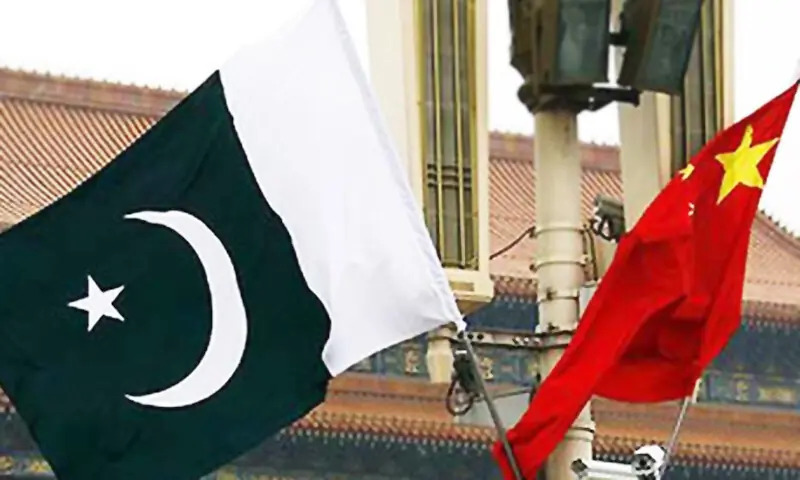
The Core Development
The armed forces of Pakistan and China have officially commenced a comprehensive bilateral counter-terrorism training exercise designated "Karakoram 2026" in China's northwestern Xinjiang Uygur Autonomous Region. According to the China Military Bugle, the authoritative publication platform of the People's Liberation Army (PLA), the formal opening ceremony took place at a specialized military training base located in Korla city.
Preceding the commencement of the drills, Senior Colonel Chen Xi, spokesperson for China's Ministry of National Defence, outlined that the operational scope is structured around joint anti-terrorism clearance operations in complex, high-altitude alpine terrain. The tactical curriculum integrates reconnaissance technology, unmanned aerial vehicle (UAV) operations, dynamic on-the-move target acquisition, and live-fire precision strikes. Participating contingents from the Pakistan Army also conducted technical evaluations of advanced Chinese arms and defensive platforms. This bilateral exercise reflects an evolving institutional mechanism aimed at synchronizing border surveillance protocols and tactical responsiveness between the two allied militaries.
Commercial & Economic Implications
While predominantly military in execution, the Karakoram 2026 maneuvers carry acute commercial ramifications for Pakistan's trade ecosystem and bilateral logistics. Xinjiang serves as the critical land bridge connecting mainland China to northern Pakistan via the Khunjerab Pass, constituting the primary overland artery of the China-Pakistan Economic Corridor (CPEC). Sustained stability in this frontier zone directly determines the operational integrity of bilateral supply chains, cross-border commercial trucking, and industrial raw material transfers.
For Pakistan’s domestic wholesale and retail markets, heightened security along the Karakoram corridor mitigates regional risk premiums that frequently disrupt freight schedules. Trade disruptions along the northern transit route typically precipitate localized price volatility across industrial machinery imports, automotive parts, and consumer electronics. By institutionalizing perimeter security and neutralizing asymmetric militancy risks, the operational drill provides structural assurance to freight forwarders, dry port operators in Sust and Gilgit, and downstream supply chains dependent on uninterrupted transshipment from Chinese industrial hubs.
Stakeholder Perspectives & Market Reactions
Cross-border commercial associations and regional trade entities have received the commencement of the exercises with pragmatic optimism. Representatives from the Gilgit-Baltistan Chamber of Commerce and Industry noted that military-to-military coordination plays a determinative role in maintaining continuity for commercial freight transit, especially following periodic disruptions caused by security threats targeting CPEC engineers and transit convoys.
Defense analysts and regional economic observers highlight that the integration of drone warfare and high-altitude combat tactics directly addresses modern unconventional threats that jeopardize critical energy pipelines, infrastructure projects, and logistics routes. Conversely, logistics firms emphasize that while counter-terror drills enhance long-term geopolitical stability, prolonged administrative vigilance at border checkposts can occasionally create transitional bottlenecks for non-perishable freight clearing customs along northern routes.
Forward Outlook & Key Watchpoints
The Karakoram 2026 exercise is scheduled to proceed through several sequential phases over the coming weeks, culminating in composite field training exercises and simulated joint strike maneuvers. Market analysts and policy observers are closely monitoring whether the outcomes will institutionalize permanent joint security protocols along the Karakoram Highway and CPEC western routes.
Key watchpoints include the potential establishment of shared surveillance frameworks, real-time intelligence feeds covering critical trade arteries, and the formal implementation of technological safeguards protecting bilateral transit freight. As China and Pakistan deepen economic integration amid global macroeconomic headwinds, the ability to insulate logistics channels from asymmetrical disruptions will remain the fundamental prerequisite for bilateral trade growth, industrial zone operationalization, and consumer market stability.
Join Our Official WhatsApp Channel
Receive live commodity alerts, policy changes, and commercial intelligence directly on WhatsApp.