
Infantino Faces FIFA Dissent Following Collapsed World Cup Commercial Stake Sale
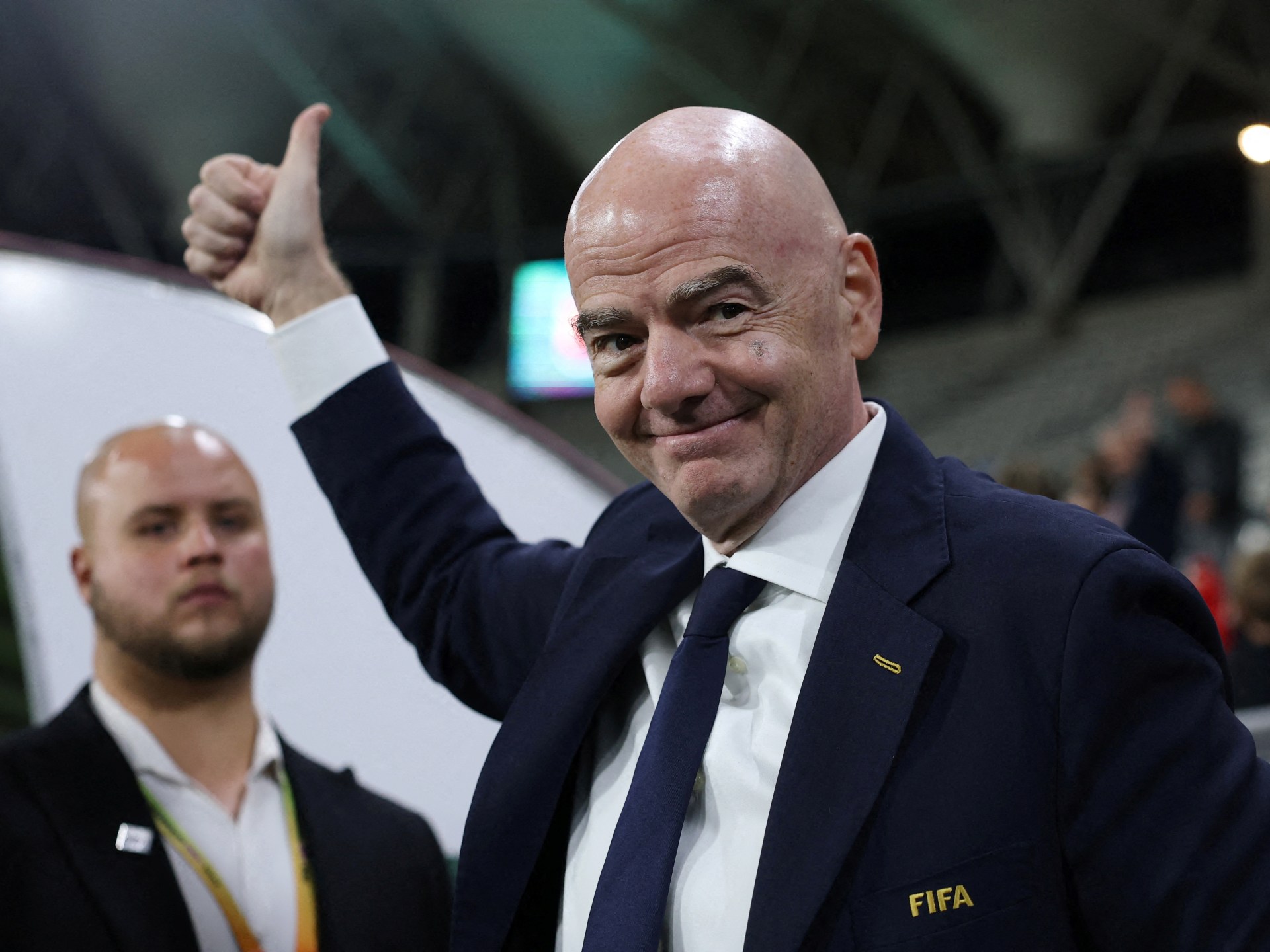
FIFA President Gianni Infantino faces pushback in Zurich following a failed commercial stake sale, countering dissent with a proposed $6.35 billion global development fund.
Geopolitical & Core Developments
Global sports governance entered another fraught chapter in Zurich as Federation Internationale de Football Association (FIFA) President Gianni Infantino convened member associations amid mounting internal dissent. The executive friction follows the unraveling of a contentious initiative to monetize strategic equity and broadcast rights tied to future expanded World Cup properties, which faced resistance from traditional European powerhouses and regulatory watchdogs.
To counter the internal rebellion, Infantino unveiled a restructuring plan centered on an unprecedented $6.35 billion development fund directed toward national federations. The strategic maneuver effectively leverages capital allocation to bridge deep ideological divides within FIFA's 211 member states. While confederations across the Global South and Asia view expanded liquidity as vital for domestic sporting infrastructure, UEFA-aligned European nations contend that aggressive commercial expansion risks diluting regulatory sovereignty and compromising institutional stability.
[Global Trade](/news/yemen-war-scenarios-houthi-red-sea-trade-impact) & Economic Ripples
While sports diplomacy occupies the headline narrative, the economic underpinnings reflect broader shifts in sovereign wealth participation, multi-billion-dollar cross-border capital flows, and international services trade. The collapsed equity deal signals increasing friction between aggressive private equity consortiums, Gulf-based sovereign investment entities, and traditional multilateral governance frameworks. Mega-sporting events function as primary catalysts for capital expenditure, infrastructure buildouts, hospitality logistics, and global telecommunications procurement.
The redirection toward a $6.35 billion internally managed fund underscores persistent structural liquidity in sports entertainment finance. Global capital allocators had positioned substantial leverage on anticipated broadcast and sponsorship rights packages. The failure to secure external private equity guarantees recalibrates debt underwriting across major sports management conglomerates, impacting institutional asset managers who had banked on privatized yields from future tournament cycles.
International Reactions & Diplomatic Stances
Reaction among regional federations reflects entrenched geopolitical realpolitik. European football administrators, led by prominent Western national associations, criticized the perceived centralization of authority and cautioned against unilateral negotiations with external capital syndicates. Legal experts in Brussels noted that international sports bodies face heightened scrutiny under Swiss and European competition law regarding transparency and distribution mechanics.
Conversely, delegates representing the Confederation of African Football (CAF) and Asian Football Confederation (AFC) welcomed the $6.35 billion developmental commitment. Federation executives from developing sports economies argued that decentralizing capital inflows is imperative to counteract historic economic imbalances favoring Western European domestic leagues. Market analysts noted that the development package effectively functions as defensive economic statecraft, securing Infantino's voting bloc ahead of upcoming statutory congresses.
Strategic Outlook & Future Scenarios
The trajectory of global sports administration hinges on Infantino's ability to formalize the multibillion-dollar capital distributions without triggering institutional legal challenges. Key flashpoints will emerge during upcoming extraordinary congress sessions, where governance reforms, integrity protocols, and audit requirements for distributed development funds will face formal review.
Should structural friction between European associations and the FIFA executive apparatus escalate, threats of alternative regional tournaments or legal disputes before the Court of Arbitration for Sport remain plausible. In the longer term, the episode demonstrates that even the most lucrative transnational entertainment monopolies are vulnerable to sovereign pushback, evolving antitrust frameworks, and investor skepticism over speculative media valuations.
Join Our Official WhatsApp Channel
Receive live commodity alerts, policy changes, and commercial intelligence directly on WhatsApp.