
Former Venezuelan Leader Nicolás Maduro Faces New US Torture Charges
Former Venezuelan President Nicolás Maduro and his wife face imminent US charges alleging direct involvement in the torture of American prisoners, intensifying geopolitical tensions and clouding the horizon for international energy markets.
Geopolitical & Core Developments
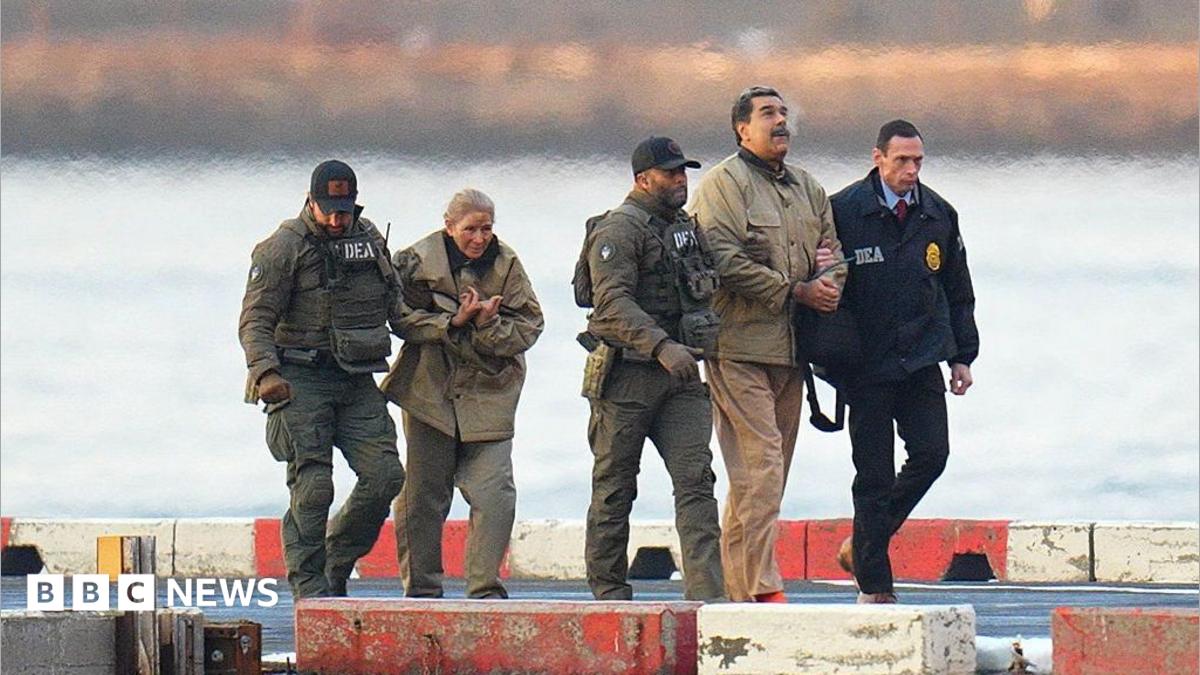
Legal pressures mounting against former Venezuelan President Nicolás Maduro reached a critical juncture this week, with US media reports indicating that federal prosecutors are preparing to unveil additional indictments. The anticipated charges are expected to formally accuse Maduro and his wife of orchestrating or playing a direct operational role in the systemic mistreatment and torture of American citizens held within Venezuelan penal institutions. This escalation shifts the diplomatic and legal confrontation from broad narcotics trafficking and corruption allegations to specific human rights abuses involving foreign nationals, significantly raising the personal legal stakes for the ousted leadership.
The timing of these impending charges underscores Washington's hardening stance toward the remnants of the Maduro apparatus. Despite shifting regional dynamics and intermittent diplomatic overtures aimed at securing political transitions, US authorities appear determined to leverage the full weight of extraterritorial jurisdiction. The inclusion of human rights violations involving US citizens removes considerable diplomatic flexibility, making it exceedingly difficult for international negotiators to offer blanket amnesties or concessions in exchange for democratic reforms or economic cooperation.
Global Trade & Economic Ripples
While the charges are primarily criminal and human rights-focused, their commercial ramifications for global commodity markets and international trade are profound. Venezuela sits atop the world's largest proven crude oil reserves, yet its energy sector remains hamstrung by years of underinvestment, mismanagement, and sweeping Western sanctions. The entrenchment of legal hostility between Washington and Caracas dampens any near-term optimism regarding the full-scale rehabilitation of Venezuela's petroleum infrastructure or the return of major international oil majors to the Orinoco Belt.
Energy traders and shipping insurers are closely monitoring the situation for potential secondary sanctions or tightened enforcement on maritime freight lanes carrying Venezuelan crude blends. Although modest exemptions granted to select international firms have permitted sporadic export flows to Asian and European refiners, any intensification of political conflict risks disrupting these delicate commercial channels. Consequently, global energy markets continue to price in a persistent risk premium, anticipating that Venezuelan production will remain constrained and isolated from mainstream Western supply chains for the foreseeable future.
Related Intelligence: Texas Execution Sparks Global Human Rights Scrutiny and Trade Debate
International Reactions & Diplomatic Stances
International response to the impending indictments has highlighted deep divisions within multilateral bodies and regional alliances. Western democracies have largely welcomed the accountability measures, framing the forthcoming charges as a vital step toward combating impunity for grave human rights violations. Human rights organizations have similarly praised the focus on prisoner abuse, emphasizing that systemic torture within Venezuelan detention centers demands robust international legal scrutiny.
Conversely, traditional allies of Caracas have condemned the move as an overreach of US judicial authority and an interference in sovereign state affairs. Regional trade partners in Latin America have expressed apprehension that heightened legal warfare will further destabilize the Caribbean basin, complicating migration flows and cross-border commercial agreements. Market analysts note that these conflicting diplomatic positions create an unpredictable operating environment for multinational corporations attempting to navigate compliance risks across the region.
Strategic Outlook & Future Scenarios
Looking ahead, the formal filing of these charges will likely freeze remaining channels of bilateral negotiation, locking both nations into a protracted state of diplomatic antagonism. Upcoming international summits focusing on Latin American stability and energy security are expected to be overshadowed by debates over the legitimacy of the Venezuelan judiciary and the enforcement of international arrest warrants.
For global supply chains and commodities traders, the primary takeaway is a continuation of the status quo: restricted Venezuelan oil exports, persistent regulatory compliance hurdles, and heightened geopolitical risk in northern South America. Unless an unexpected domestic political rupture alters the balance of power in Caracas, the convergence of criminal indictments and economic sanctions will ensure that Venezuela remains a high-risk jurisdiction for international commerce.
Join Our Official WhatsApp Channel
Receive live commodity alerts, policy changes, and commercial intelligence directly on WhatsApp.