
Nigeria Security Crisis Chokes Borno Agriculture and Trade
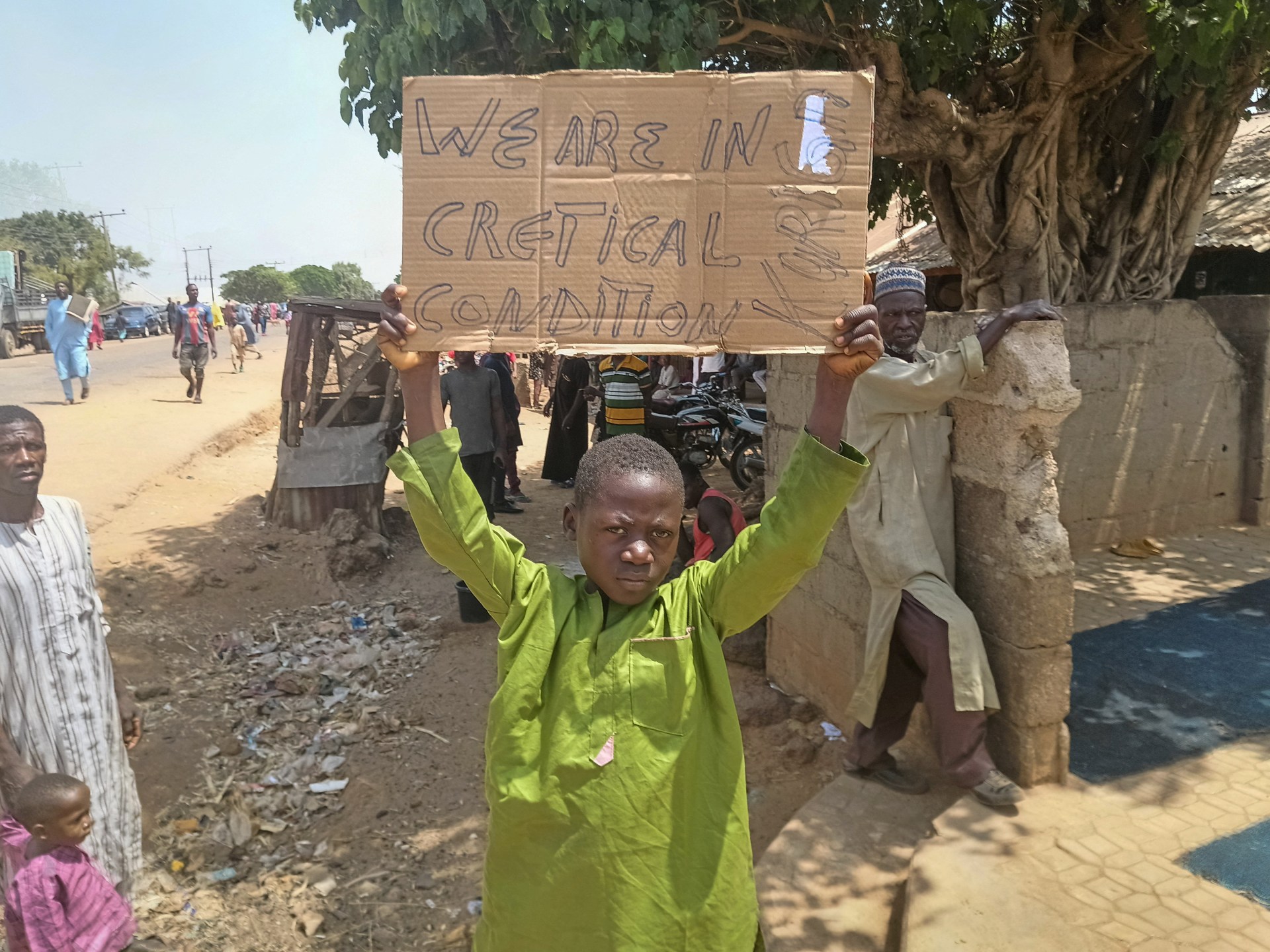
Escalating kidnappings in Nigeria's Borno state devastate local families, drain household savings, and severely disrupt regional agricultural trade and supply chains.
Geopolitical & Core Developments
The security landscape in northeastern Nigeria continues to deteriorate, with Borno state bearing the brunt of a persistent insurgency and criminal syndicates. The resurgence of mass abductions has fundamentally altered daily life across the region, targeting vulnerable communities, farming cooperatives, and transit routes. State actors and regional security forces face mounting pressure to secure porous borders and dismantle the financial networks funding these criminal enterprises. Despite repeated military offensives by the Nigerian armed forces, insurgent factions and opportunistic kidnapping rings exploit vast, under-governed rural expanses to execute raids, capture hostages, and retreat into inaccessible terrain. This ongoing instability underscores the profound limitations of conventional counter-insurgency doctrines when confronted with decentralized, asymmetric threats that continuously adapt to military pressure.
Global Trade & Economic Ripples
While localized to northeastern Nigeria, the crisis exerts measurable downward pressure on regional commerce and agricultural output. Borno state has historically served as a vital agricultural breadbasket and a strategic trading hub connecting Nigeria to Lake Chad basin markets, including Cameroon, Niger, and Chad. Persistent abductions have forced farmers to abandon fertile arable lands, precipitating sharp declines in grain, livestock, and cash crop production. This localized agricultural shock translates into broader inflationary pressures on food commodities across West Africa. Furthermore, transport logistics have suffered immense disruptions; commercial trucking companies face exorbitant insurance premiums and high risks along key trade corridors, effectively severing integrated supply chains and restricting the free flow of goods across international borders within the Economic Community of West African States zone.
Related Intelligence: South Africa and Australia Renew Rivalry in High-Stakes Test Series
International Reactions & Diplomatic Stances
International bodies and humanitarian agencies have expressed grave concern over the escalating human and economic toll in Borno state. The United Nations and various international non-governmental organizations have repeatedly urged the federal government in Abuja to scale up civilian protection mechanisms and facilitate unhindered humanitarian access to displaced populations. Global financial institutions and commodity market analysts note that prolonged domestic instability in Nigeria—Africa's most populous nation and a major regional economy—dampens foreign direct investment appetite across the wider sub-Saharan territory. Diplomatic partners continue to press for enhanced intelligence sharing, cross-border security cooperation within the Multinational Joint Task Force, and structural governance reforms to address the root socioeconomic drivers of radicalization and criminality.
Strategic Outlook & Future Scenarios
Looking ahead, the trajectory of Borno state remains intimately tied to federal governance reforms, economic diversification initiatives, and the efficacy of regional security frameworks. Without comprehensive rural development programs coupled with robust intelligence-led counter-kidnapping operations, the region risks deepening economic isolation and chronic food insecurity. Upcoming bilateral security dialogues and multilateral summits will likely focus on bolstering regional intelligence architectures and channeling targeted developmental aid to vulnerable border communities. Failure to stem the tide of abductions could trigger broader demographic displacement, straining urban centers in central Nigeria and accelerating migratory pressures toward North Africa and Europe, thereby transforming a localized security challenge into a wider geopolitical liability.
Join Our Official WhatsApp Channel
Receive live commodity alerts, policy changes, and commercial intelligence directly on WhatsApp.