
Omani Foreign Minister Badr Albusaidi Arrives in Pakistan for Bilateral Talks
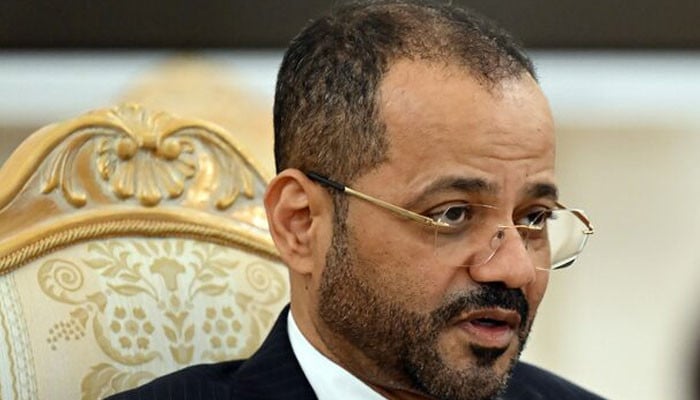
Oman's Foreign Minister Sayyid Badr Albusaidi visits Islamabad for two days of strategic bilateral talks aimed at expanding maritime logistics, trade linkages, and investment cooperation between the two nations.
The Core Development
Oman's Minister of Foreign Affairs, Sayyid Badr Albusaidi, is scheduled to arrive in Islamabad for an official two-day diplomatic visit. The mission underscores a concerted push by both governments to realign strategic, commercial, and diplomatic ties amid rapidly evolving regional geopolitics. During his stay in the federal capital, Foreign Minister Albusaidi will lead delegation-level talks with his Pakistani counterpart, alongside scheduled meetings with senior civil and military leadership.
The discussions are expected to cover a wide range of bilateral issues, including maritime connectivity between Pakistani and Omani ports, mutual security cooperation in the Arabian Sea, labor mobility, and institutional investment frameworks. Pakistan and Oman share longstanding historical and maritime ties, given their geographic proximity across the Gulf of Oman. However, official institutional engagements have periodically lagged behind commercial potential. This visit serves as a formal platform to advance discussions initiated during prior Joint Ministerial Commission sessions, with both sides seeking actionable outcomes in investment and economic coordination.
Commercial & Economic Implications
From a trade and macroeconomic perspective, the visit holds notable significance for Pakistan's external sector. Bilateral trade between Pakistan and the Sultanate of Oman currently hovers below the one-billion-dollar mark, a figure widely regarded by commercial analysts as far beneath actual capacity. Pakistan primarily exports foodstuffs, rice, textiles, and livestock to Oman, while importing petroleum products, plastics, and chemicals.
Deepening commercial linkages could substantially benefit Pakistani wholesale agriculture and retail supply chains. Direct sea routes connecting Karachi and Gwadar with Muscat, Sohar, and Salalah provide opportunities to lower shipping transit times and cut freight expenses for perishable commodities. If transit agreements and trade facilitation pacts are streamlined, Pakistani agro-exporters could secure expanded access not only to Oman's domestic market but also to wider Gulf Cooperation Council (GCC) distribution networks. Furthermore, enhanced institutional cooperation may catalyze foreign direct investment into Pakistan's special economic zones and agricultural infrastructure, aiding long-term balance-of-payments stability.
Related Intelligence: Pakistan and Oman Convene Joint Commission to Accelerate Bilateral Economic Ties
Stakeholder Perspectives & Market Reactions
Pakistan's business community and export bodies have responded positively to the announcement, emphasizing the urgent need for direct banking channels and tariff rationalization. Exporters operating within the Federation of Pakistan Chambers of Commerce and Industry (FPCCI) have noted that non-tariff barriers, visa processing bottlenecks, and indirect shipping routes have historically suppressed trade volumes between the two countries.
Financial analysts point to the strategic potential of joint ventures in the energy and maritime logistics sectors. Oman's sovereign wealth funds and private entities have previously explored opportunities in Pakistan's storage and distribution infrastructure. On the labor front, overseas employment promoters view the talks as an opening to formalize skill-matching initiatives, ensuring that Pakistan's surplus white-collar and skilled workforce can meet the modernization demands of Oman's Vision 2040 national development program.
Forward Outlook & Key Watchpoints
The immediate focus following the visit will be on whether the two sides can finalize Memorandums of Understanding (MoUs) into enforceable bilateral agreements. Market observers will closely track announcements regarding joint investment funds, expanded cargo shipping routes, and aviation bilateral agreements.
Key watchpoints over the coming quarters include the operationalization of cross-port transit pacts linking Gwadar with Omani coastal hubs and the timeline for the next Joint Business Council assembly. For policymakers in Islamabad, sustaining diplomatic momentum with Muscat is essential to broadening trade corridors across the Arabian Peninsula, providing vital foreign exchange inflows and reinforcing Pakistan's regional geoeconomic footprint.
Join Our Official WhatsApp Channel
Receive live commodity alerts, policy changes, and commercial intelligence directly on WhatsApp.