
Border Blast in Northern Israel Elevates Regional Security and Trade Risks
An explosion involving unexploded ordnance injured approximately 20 people near the Israel-Lebanon border, exacerbating regional stability concerns and pressuring global trade lanes.
The Core Development
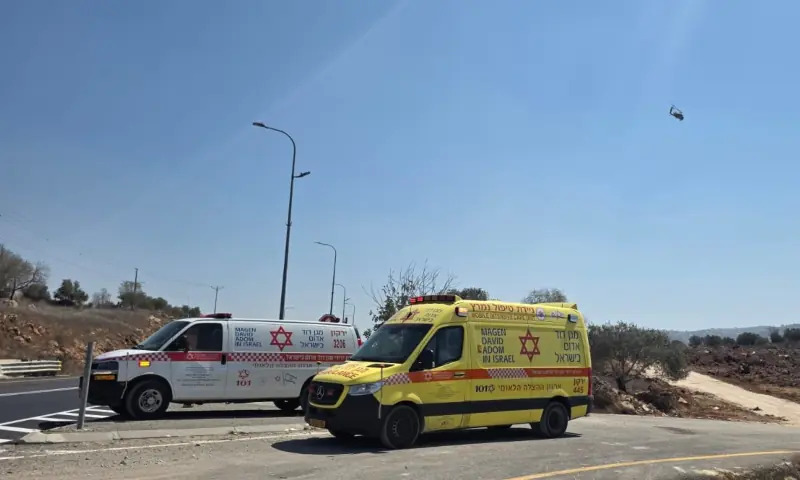
At least 20 individuals, including high school students and accompanying faculty members, were injured on Monday after an explosion ripped through a hiking trail in northern Israel near the Lebanese border. The incident occurred in a volatile frontier sector that has experienced heightened military activity, ongoing artillery duels, and cross-border rocket fire over recent months.
Emergency responders, military ground personnel, and evacuation helicopters were dispatched to the northern municipality of Maalot-Tarshiha to administer trauma care and airlift critically wounded victims to regional medical facilities. According to preliminary findings released by the Israeli police citing medical and field investigations, the detonation is strongly suspected to have been triggered by unexploded ordnance remnants left in the contested terrain rather than an active inbound strike. However, the event underscores the persistent operational dangers along the perimeter, where Israeli forces continue frequent exchanges with Hezbollah positions across the demarcation line.
Commercial & Economic Implications
While the explosion represents a localized tactical incident, its broader context reinforces acute geopolitical fragility across the Eastern Mediterranean and Middle Eastern corridors. For developing economies such as Pakistan, persistent volatility in the Levant sustains risk premiums on international cargo, bunker fuel, and critical maritime conduits.
Pakistani commercial stakeholders, particularly wholesale distribution networks and retail import merchants, remain directly exposed to fluctuations in global oil benchmarks and container freight indices. Renewed instability in proximity to the Red Sea and surrounding waterways frequently translates into altered transit routes, extended delivery lead times, and compounding freight surcharges. Domestic importers of polymers, intermediate manufacturing components, and consumer packaged goods must absorb these logistics frictions. Consequently, elevated landed costs threaten to feed domestic inflationary cycles, squeezing operating margins for local retail chains and wholesale distributors in primary trade hubs like Karachi and Lahore.
Related Intelligence: Unexploded Ordnance Blast in Northern Israel Wounds Twenty Near Lebanese Border
Stakeholder Perspectives & Market Reactions
Regional market analysts and shipping federations have expressed concern that any sudden escalation along northern land corridors could destabilize maritime operations in adjacent waters. Israeli local authorities have reiterated demands for stringent security protocols in frontier sectors, while international diplomatic observers have urged containment to prevent regional spillover.
Within Pakistan, mercantile associations and commodity import groups are closely observing movements in international energy contracts. Trading houses noted that sudden geopolitical flare-ups historically induce knee-jerk hedging across futures markets, inflating input costs for agricultural inputs, edible oils, and petroleum products. Industry leaders stress that Pakistan's current macro-stabilization framework requires external supply price predictability, leaving little room for systemic supply chain disruptions or global oil price spikes triggered by Middle Eastern escalations.
Forward Outlook & Key Watchpoints
In the immediate term, Israeli military and police units will conclude forensic sweeps to determine the exact origin of the ordnance, while evaluating movement restrictions across northern recreational and agricultural zones. The primary watchpoint for international markets remains whether the event prompts retaliatory posturing or military realignments along the Blue Line.
Over the coming weeks, corporate treasuries and procurement heads in Pakistan will monitor crude oil benchmarks, regional shipping insurance premiums, and currency adjustments. Should security conditions deteriorate into broader kinetic actions, supply chain planners must brace for higher landed tariffs, increased working capital requirements, and inventory bottlenecks across import-dependent industrial and retail sectors.
Join Our Official WhatsApp Channel
Receive live commodity alerts, policy changes, and commercial intelligence directly on WhatsApp.