
Oil Prices Slide on Diplomatic Hopes Amid Iran Conflict
Global oil prices tumbled to their lowest in over a week as investors pinned hopes on UN diplomacy regarding the Iran conflict and noted recovering Saudi shipments.
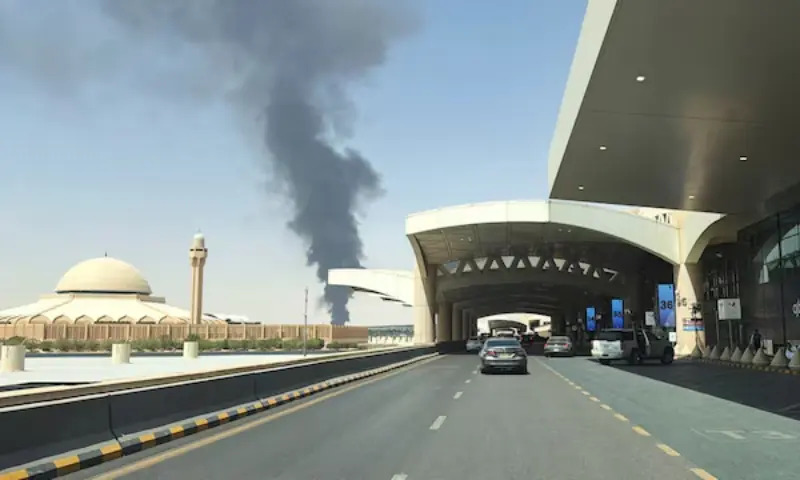
The Core Development
Global crude oil benchmarks experienced a notable downward correction, sliding to their lowest levels in more than a week as market sentiment shifted toward potential diplomatic de-escalation. The catalyst for the pullback emerged ahead of high-level diplomatic engagements at the United Nations General Assembly, where international mediators are attempting to chart a peaceful resolution to the expanding US-Israeli conflict involving Iran.
Earlier in the trading session, Brent crude futures for November delivery fell $1.78, or 1.71 percent, to settle at $102.09 a barrel by mid-morning Pakistan Standard Time (PKT). This followed a 0.91 percent decline in the previous session. Concurrently, the US West Texas Intermediate (WTI) crude contract for October delivery, nearing its expiration, dropped $1.97, or 1.96 percent, to $98.33 a barrel following a 1.58 percent contraction on Friday. Market analysts noted that these movements reflect a gradual unwinding of the geopolitical risk premium that had previously inflated energy valuations. Furthermore, supply side pressures saw a minor reprieve as Saudi Arabia registered a partial recovery in export shipments, reassuring markets even as regional maritime routes face persistent security challenges from Yemen's Houthi movement.
Commercial & Economic Implications
For an import-reliant economy like Pakistan, the downward correction in global crude benchmarks offers a crucial window of fiscal relief. Energy imports constitute the lion's share of Pakistan's national import bill, directly influencing the trade deficit, foreign exchange reserves, and domestic inflationary pressures. The easing of international oil prices below the $105 threshold provides immediate breathing space for the government and the Oil and Gas Regulatory Authority (OGRA) as they formulate the upcoming fortnightly petroleum pricing review.
Retail and wholesale commercial sectors, which have long grappled with soaring transport and production costs, stand to benefit from lowered fuel tariffs if international trends sustain. Lower diesel and petrol prices would cascade down to freight and logistics, subsequently tempering food inflation and manufacturing overheads across major urban hubs such as Karachi, Lahore, and Faisalabad. However, domestic stakeholders remain cautious, noting that currency fluctuations, specifically the stability of the Pakistani Rupee against the US Dollar, will heavily dictate whether international price cuts translate into tangible relief for local consumers.
Related Intelligence: Iran Warns of Retaliation as US Weighs Strikes Amid Regional Diplomacy
Stakeholder Perspectives & Market Reactions
Financial markets reacted swiftly to the shifting geopolitical narrative. Industry analysts highlighted that the aggressive sell-off demonstrates how heavily energy futures are currently tethered to diplomatic headlines rather than immediate physical supply deficits. Tim Waterer, chief market analyst, observed that a tangible degree of risk premium is actively being priced out of the market as traders factor in the probability of structured dialogue during this week's UN assemblies.
Local trade bodies and industrial associations in Pakistan have expressed measured optimism regarding the global price correction. Representatives from the Federation of Pakistan Chambers of Commerce and Industry (FPCCI) noted that while international softening is a positive macroeconomic indicator, long-term stabilization requires diversified energy sourcing and structural reforms. Meanwhile, legal and financial experts warn that volatility remains the baseline expectation, cautioning that any unexpected military escalation in the Strait of Hormuz could rapidly reverse these diplomatic gains and send crude prices surging past previous highs.
Forward Outlook & Key Watchpoints
As global diplomats gather to deliberate on the Middle Eastern crisis, market participants will monitor several critical indicators over the coming days. The immediate trajectory of oil prices will depend heavily on concrete outcomes or communique disclosures emerging from UN-backed diplomatic channels. Any formal framework aimed at securing safe navigation corridors or reducing military friction could cement the current downward price trend.
Conversely, traders remain wary of supply disruptions in key chokepoints. Key watchpoints for the remainder of the quarter include weekly US petroleum inventory data, updates on Saudi export volumes, and security assessments pertaining to commercial shipping lanes in the Red Sea and the Persian Gulf. For policymakers in Islamabad, aligning domestic fiscal adjustments with sustained global price trends will be vital to maintaining macroeconomic stability and controlling inflationary spirals in the months ahead.
Join Our Official WhatsApp Channel
Receive live commodity alerts, policy changes, and commercial intelligence directly on WhatsApp.