
Ethiopian Opposition Alliance Threatens Regional Stability and Trade Routes
A newly forged alliance of armed groups in Ethiopia heightens fears of a widening civil war, threatening regional stability and critical global trade corridors in the Horn of Africa.
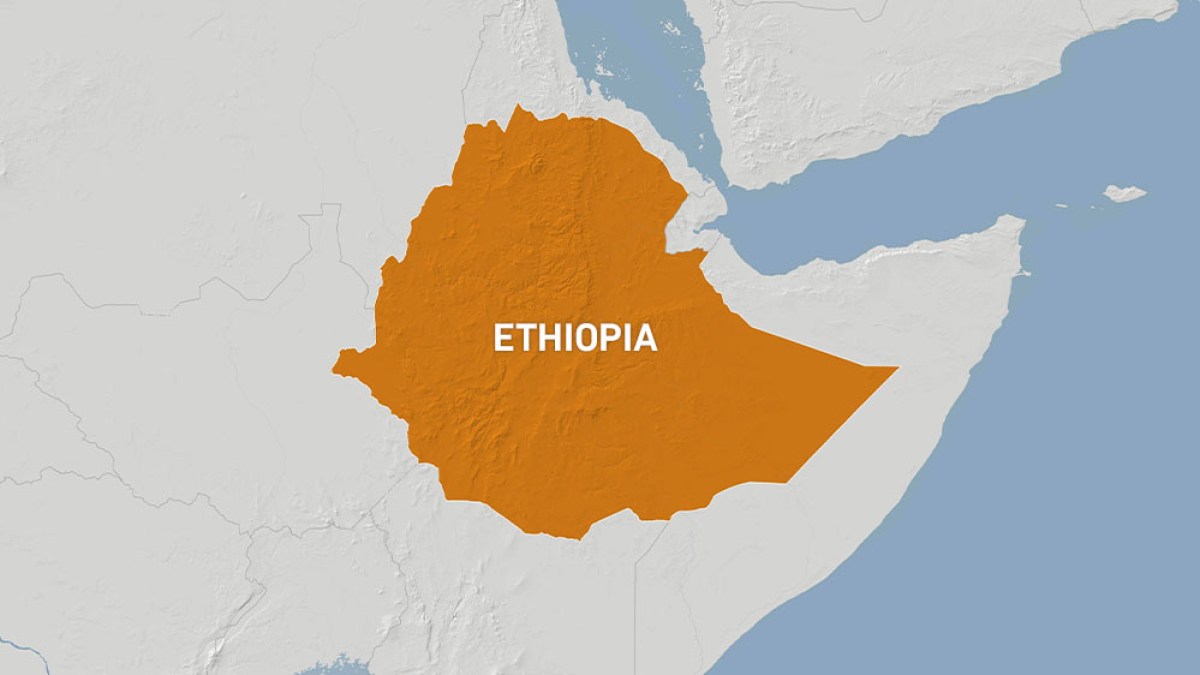
Geopolitical & Core Developments
The geopolitical landscape of the Horn of Africa is facing a severe destabilization threat following the formal announcement of a strategic alliance between prominent armed factions in Ethiopia and former adversaries of the federal government. This coalition, forged amidst deepening political polarization and stalled peace initiatives, aims to consolidate military and political pressure against Prime Minister Abiy Ahmed's administration. The unification of these disparate groups marks a critical inflection point in Ethiopia's protracted internal conflicts, moving away from fragmented insurgencies toward a coordinated front. State actors and regional observers note that the alliance threatens to reignite large-scale hostilities that had subsided following previous fragile ceasefire agreements. The strategic stakes are immense, as the federal government struggles to maintain territorial integrity while managing severe economic headwinds and international scrutiny over human rights and governance issues.
Global Trade & Economic Ripples
Beyond the immediate humanitarian toll, the resurgence of widespread conflict in Ethiopia carries profound implications for global trade, commodity markets, and regional supply chains. Ethiopia serves as a critical economic anchor in East Africa, and prolonged instability threatens vital transportation corridors, including the primary trade artery linking landlocked Ethiopia to the port of Djibouti. Any disruption to this transit route severely impacts the import of essential commodities, agricultural exports such as coffee and oilseeds, and regional energy supplies. Furthermore, international shipping and logistics firms are re-evaluating risk premiums for operations across the wider East African corridor. Global markets are monitoring the situation closely, as escalating geopolitical friction in the region routinely triggers inflationary ripples across agricultural commodity exchanges and dampens foreign direct investment in emerging African markets.
International Reactions & Diplomatic Stances
The international community has responded with mounting alarm to the formation of the opposition coalition, prompting urgent diplomatic maneuvers across multilateral platforms. The United Nations and the Intergovernmental Authority on Development have issued joint statements calling for an immediate cessation of hostilities and an unconditional return to inclusive national dialogue. Western capitals have expressed deep concern that a renewed civil war would exacerbate regional displacement and humanitarian crises, potentially prompting fresh diplomatic sanctions or the reassessment of bilateral aid frameworks. Meanwhile, regional powers are divided, with some urging restraint to prevent cross-border spillover effects into neighboring Somalia, Kenya, and Sudan, while others navigate complex diplomatic alignments amidst shifting power dynamics in the strategic Red Sea basin.
Strategic Outlook & Future Scenarios
The trajectory of the Ethiopian conflict over the coming months will hinge on the government's military response and the resilience of the newly formed armed alliance. Analysts warn of several escalation points, including potential urban warfare, intensified drone operations, and the further deterioration of state-controlled infrastructure. Upcoming diplomatic summits, including regional African Union consultations, will serve as critical testing grounds for coordinated multilateral mediation efforts. Without a credible, inclusive political settlement that addresses the root causes of ethnic and regional marginalization, Ethiopia faces a protracted crisis that will continue to cast a long shadow over East African economic integration and international commodity flows.
Join Our Official WhatsApp Channel
Receive live commodity alerts, policy changes, and commercial intelligence directly on WhatsApp.