
The Artificial Intelligence Cold War: Washington, Beijing, and the High-Stakes Tech Schism
United States efforts to curtail China's artificial intelligence advancements through sweeping economic restrictions risk triggering unintended strategic counter-reactions and global supply chain fragmentation.
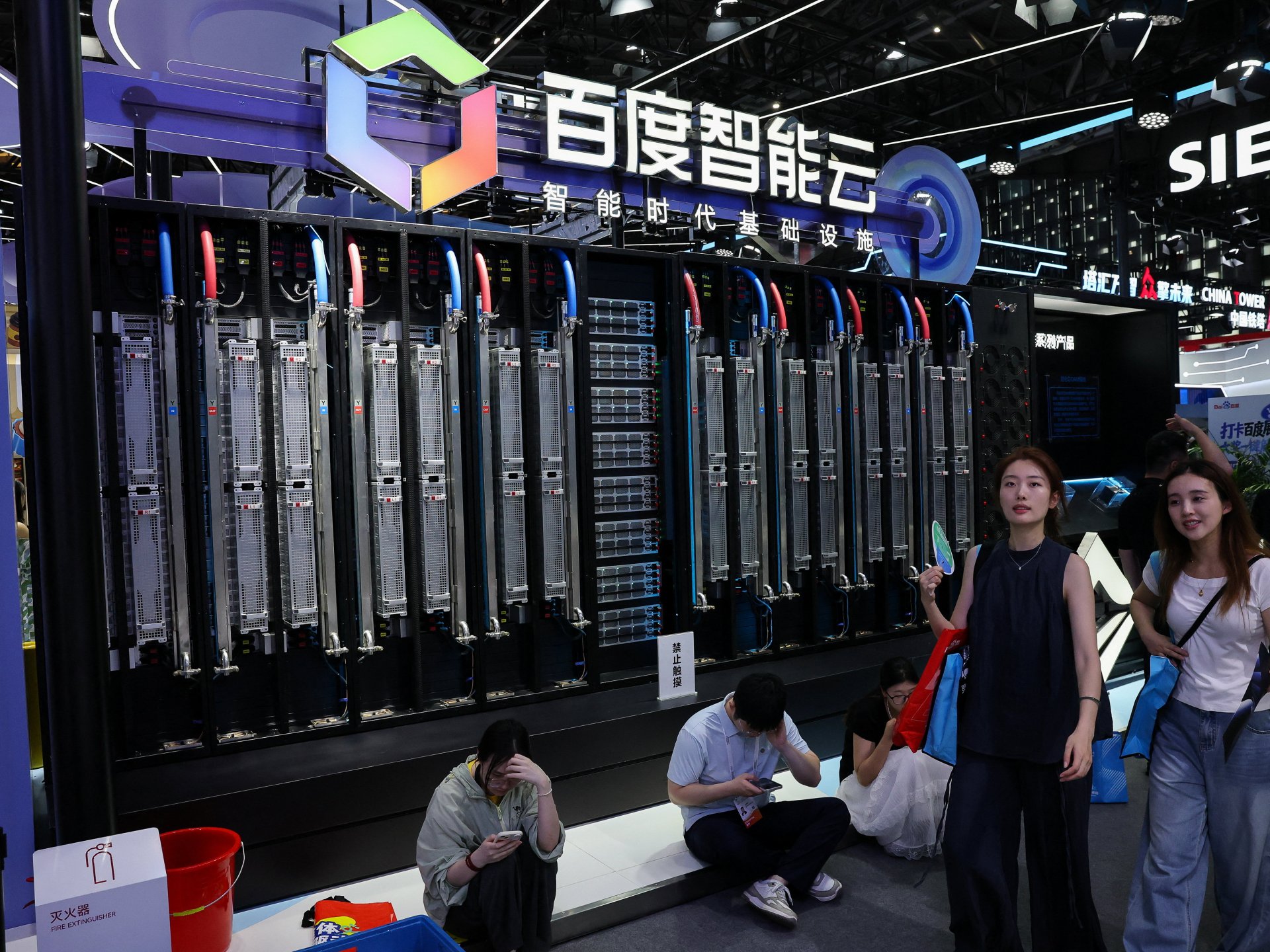
Geopolitical & Core Developments
The contemporary technological landscape is increasingly defined by a high-stakes strategic rivalry between the United States and China, reminiscent of historic bipolar standoffs. At the heart of this friction is artificial intelligence, viewed by both superpowers as the definitive pillar of future economic dominance and military supremacy. Washington has deployed a comprehensive arsenal of economic statecraft, notably sweeping export controls designed to starve Beijing of advanced semiconductors, extreme ultraviolet lithography machines, and high-performance computing components essential for training frontier artificial intelligence models.
However, these restrictive measures are encountering significant structural friction. Rather than halting China's technological trajectory, aggressive containment policies are actively galvanizing Beijing's resolve to achieve total domestic self-sufficiency. State-backed capital injections into domestic semiconductor fabrication and algorithmic research are bypassing traditional market incentives, creating parallel technological ecosystems. The geopolitical stakes extend far beyond bilateral relations, forcing nations across the Global South to navigate a complex technological alignment choice that could permanently fracture the global digital architecture.
[Global Trade](/news/us-china-summit-strategic-impact-global-trade) & Economic Ripples
The technological bifurcation between Washington and Beijing is sending profound shockwaves through global trade networks, commodity markets, and international supply chains. The production of advanced processors relies on an exceptionally interconnected global ecosystem spanning design software in the United States, chemical inputs in Japan, lithography systems in the Netherlands, and assembly lines in Taiwan and mainland China.
Imposing rigid trade barriers disrupts these finely tuned logistics channels, driving up manufacturing overhead and creating inflationary pressures across the technology sector. Furthermore, the race for artificial intelligence dominance is exponentially increasing global demand for reliable energy sources, particularly as data centers consume unprecedented volumes of electricity. This surge intersects directly with global energy markets, driving investments in both fossil fuels and renewable infrastructure. Concurrently, currency values and trade flows are adapting to defensive economic policies, as nations prioritize supply chain resilience over pure cost efficiency, fundamentally altering international commerce.
Related Intelligence: US-China Summit Underway: Strategic Impact on Global Trade
International Reactions & Diplomatic Stances
Global capitals and multilateral institutions have expressed mounting apprehension regarding the systemic economic fallout of the United States-China technological standoff. European Union officials have advocated for a strategy of de-risking rather than decoupling, warning that complete industrial separation could paralyze Western industries dependent on Chinese rare earths and processed critical minerals. Meanwhile, emerging economies within the BRICS bloc have criticized unilateral technology sanctions, arguing they impede global development and stifle digital inclusion.
Market analysts and international trade bodies caution that protracted regulatory uncertainty damages investor confidence and complicates long-term corporate strategic planning. Multilateral organizations, including the United Nations, continue to emphasize the urgent need for universal governance frameworks to manage the ethical and security risks posed by autonomous artificial intelligence systems, noting that geopolitical fragmentation severely undermines collaborative regulatory progress.
Strategic Outlook & Future Scenarios
Looking ahead, the trajectory of the artificial intelligence cold war points toward deeper institutional polarization. Upcoming diplomatic summits and bilateral negotiations will likely focus on establishing guardrails to prevent technological competition from escalating into direct economic conflict. Yet, additional sanctions and retaliatory export restrictions remain probable, particularly targeting quantum computing, biotechnology, and advanced robotics.
As two distinct technological spheres emerge—one anchored by Western security alliances and the other driven by China's domestic industrial base—multinational corporations must adapt to a fractured operating environment. The ultimate success of Washington's containment strategy remains deeply uncertain; history suggests that external pressure often accelerates innovation rather than suppressing it, setting the stage for a fiercely contested digital future.
Join Our Official WhatsApp Channel
Receive live commodity alerts, policy changes, and commercial intelligence directly on WhatsApp.