
Iran Warns of Retaliation as US Weighs Strikes Amid Regional Diplomacy
Tehran threatens severe retaliation as Washington weighs renewed military action, prompting intense Qatari-led diplomatic mediation to avert a broader regional conflict.
Geopolitical & Core Developments
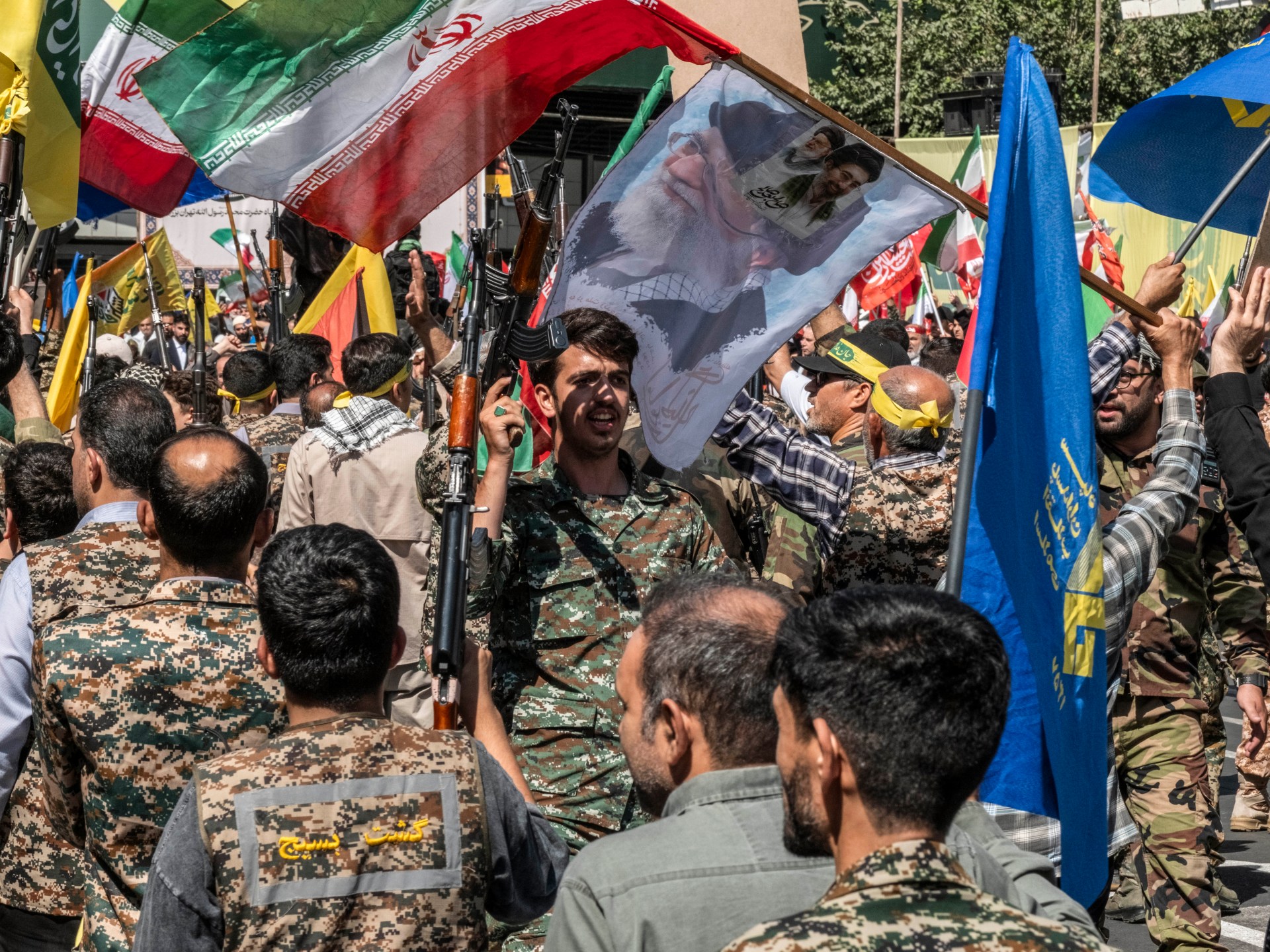
Tehran has issued severe warnings of immediate military retaliation following intelligence assessments indicating that the United States is actively preparing to resume targeted strikes in the region. The escalation comes as the administration of US President Donald Trump deliberates a robust military response to persistent proxy attacks and strategic provocations across the Middle East. Iranian military leadership stated that any fresh aggression would be met with an overwhelming and asymmetric counter-offensive, targeting both regional assets and critical allied infrastructure. Against this high-stakes backdrop, Qatari diplomatic channels have gone into overdrive, attempting to bridge widening gaps between Washington and Tehran. Doha is leveraging its unique position as an intermediary to revive stalled backchannel negotiations, aiming to de-escalate tensions before kinetic operations cross a threshold of no return.
Global Trade & Economic Ripples
International commodity markets and global energy supply chains have registered immediate tremors in response to the escalating rhetoric. Brent crude futures experienced sharp upward pressure as traders priced in potential supply disruptions centered around the Strait of Hormuz, through which a significant share of the world's petroleum transits daily. Any kinetic conflict involving Iran poses an acute risk to maritime commerce, potentially forcing maritime operators to reroute vessels around the African continent, thereby inflating freight rates and extending transit timelines. Furthermore, safe-haven assets, including gold and the US dollar, have seen sustained inflows as institutional investors hedge against broader geopolitical instability, sovereign risk, and inflationary shocks stemming from constrained energy flows.
Related Intelligence: Qatar Warns of Regional Earthquake Amid US-Israel Conflict with Iran
International Reactions & Diplomatic Stances
Multilateral bodies and international capitals have expressed profound alarm over the deteriorating security architecture in the Persian Gulf. The United Nations Secretary-General issued an urgent appeal for maximum restraint, warning that any miscalculation could trigger a catastrophic multi-state conflict with global ramifications. European Union foreign policy representatives echoed these sentiments, emphasizing that a military solution to ongoing disputes is entirely unviable and urging a return to comprehensive diplomatic frameworks. Meanwhile, major Asian energy importers, heavily reliant on Middle Eastern crude, have engaged in emergency consultations with regional producers to secure alternative supply buffers and insulate their domestic economies from impending price shocks.
Strategic Outlook & Future Scenarios
Looking ahead, the trajectory of US-Iran relations hangs on a knife-edge, dictated by whether Washington greenlights kinetic strikes and how Tehran chooses to respond outside of all-out war. Analysts anticipate that even short-duration military strikes could provoke asymmetric responses, including cyber-attacks on critical infrastructure, maritime harassment in vital shipping lanes, and accelerated proxy activation across Iraq, Syria, and Yemen. Upcoming diplomatic summits in the region will serve as critical litmus tests for whether backchannel diplomacy spearheaded by Qatar can successfully freeze hostile postures, or if the region is inexorably sliding toward a protracted cycle of military escalation and severe economic disruption.
Join Our Official WhatsApp Channel
Receive live commodity alerts, policy changes, and commercial intelligence directly on WhatsApp.