
US Issues Middle East Escalation Warning Following Riyadh Missile Attack
The United States has issued a sharp travel warning for the Middle East, citing rapid escalation risks after a missile attack targeted Riyadh.
The Core Development
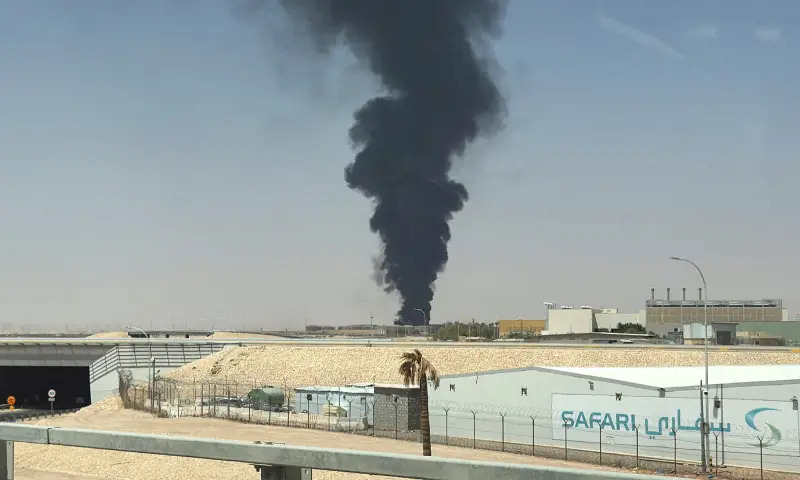
The United States government issued a high-level security warning on Sunday, cautioning that the ongoing military conflict between Saudi Arabia and Houthi forces threatens to 'escalate rapidly.' The urgent advisory follows an unprecedented missile attack targeting the Saudi capital of Riyadh, marking the first time the city has faced such a direct aerial threat since hostilities in the broader Yemen conflict resumed with heightened intensity.
In response to the deteriorating security landscape, the US State Department formally urged American citizens residing or traveling outside the Middle East to seriously reconsider any plans to visit or transit through the region. Diplomatic channels and intelligence briefings indicate growing apprehension that localized skirmishes could transform into a broader regional conflagration, drawing in international stakeholders and threatening critical infrastructure across the Arabian Peninsula.
Commercial & Economic Implications
For Pakistan's trade ecosystem and corporate sector, particularly entities operating under Kalyar Traders, an escalation in Gulf security carries profound economic ramifications. The Arabian Peninsula is a critical nexus for Pakistan's external trade, energy imports, and worker remittances. Any sustained military escalation directly threatens vital shipping lanes in the Red Sea and the Persian Gulf, driving up maritime freight insurance premiums and delaying the delivery of essential commodities, including petroleum products and industrial raw materials.
Furthermore, supply chain disruptions originating in Saudi Arabia and neighboring Gulf states inevitably trigger inflationary pressures within domestic Pakistani markets. Wholesale distribution networks face heightened volatility as import costs surge, squeezing profit margins for retail traders and dampening consumer purchasing power. Sustained instability in the Gulf directly impacts the macroeconomic stability of Pakistan by inflating the import bill and destabilizing foreign exchange reserves.
Related Intelligence: Ethiopian Opposition Alliance Threatens Regional Stability and Trade Routes
Stakeholder Perspectives & Market Reactions
Business councils, trade associations, and logistics federations in Pakistan are closely monitoring the unfolding security crisis in Riyadh. Industry leaders have expressed deep concern over the vulnerability of regional trade corridors, calling upon federal authorities to formulate contingency plans for alternative supply chains and energy procurement.
Financial markets across South Asia have reacted with cautious jitters, pricing in potential risks associated with higher global crude oil prices and currency fluctuations. Legal experts and trade analysts emphasize that prolonged conflict in the Gulf will necessitate immediate policy interventions by Islamabad to safeguard export competitiveness and protect overseas Pakistani workers whose remittances remain a pillar of the national economy.
Forward Outlook & Key Watchpoints
As diplomatic efforts intensify to de-escalate tensions between Riyadh and Houthi leadership, key stakeholders must maintain rigorous vigilance over regional developments. Critical watchpoints over the coming weeks include the frequency and trajectory of cross-border projectile attacks, subsequent updates to international travel advisories, and emergency policy measures adopted by Gulf Cooperation Council nations.
For Pakistani enterprises, navigating this period of uncertainty requires diversified sourcing, robust risk management frameworks, and close coordination with trade ministries to mitigate potential supply shocks before they cascade into the domestic retail sector.
Join Our Official WhatsApp Channel
Receive live commodity alerts, policy changes, and commercial intelligence directly on WhatsApp.