
Northern Israel Explosion Leaves One Dead and Escalates Regional Border Tension
A fatal blast near the Lebanon border killed one Israeli student and injured 19 others, stoking heightened security concerns across the Middle East and raising volatility across regional supply chains.
The Core Development
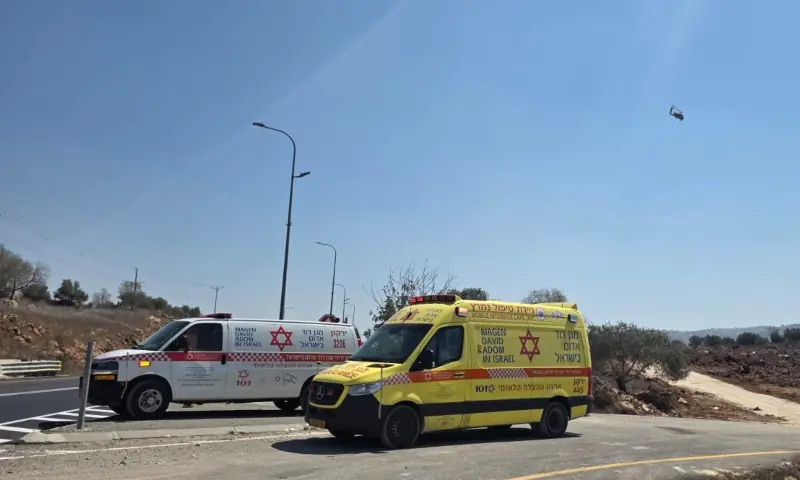
A fatal explosion along Israel’s northern frontier near the Lebanese border on Monday resulted in the death of a high school student and left approximately 19 others injured. The incident took place during an educational outdoor trip involving high school students navigating hiking trails close to the demarcation line. Preliminary reports from security authorities suggest the blast was triggered by unexploded ordnance left behind from previous exchanges of cross-border hostilities.
Israeli Defence Minister Israel Katz confirmed the casualty numbers in an official statement, offering condolences to the deceased teenager's family while confirming that defense personnel and security services have initiated a comprehensive forensic inquiry into the circumstances surrounding the blast. The deployment of emergency services, military ambulances, and medical helicopters was immediate, transferring the wounded to regional trauma centers. The presence of unexploded munitions in northern civilian-accessible zones highlights the enduring hazards resulting from protracted border confrontations, raising questions regarding clearance protocols and domestic excursion safety regulations.
Commercial & Economic Implications
While the direct event remains a localized casualty incident, any surge in operational tensions along the Israel-Lebanon corridor reverberates directly across broader Middle Eastern geopolitical risks, carrying measurable secondary implications for developing economies like Pakistan. The persistent instability along Levantine frontiers maintains a risk premium on international crude oil contracts and global shipping lanes. For Pakistan’s commercial architecture, which remains acutely sensitive to imported petroleum products and international freight rate hikes, prolonged regional friction adds upward pressure on domestic fuel prices and transportation costs.
Wholesale distribution networks in major trading hubs such as Karachi and Lahore are closely tracking global commodity fluctuations. Higher international oil benchmarks promptly transmit through higher diesel tariffs, directly eroding profit margins for local logistics providers, domestic industrial manufacturers, and agricultural distributors. Furthermore, continued regional unrest strains Gulf shipping corridors and maritime reinsurance brackets, incrementally lifting the landed cost of containerized raw materials, chemicals, and industrial capital goods destined for Pakistani ports.
Related Intelligence: Iran-Saudi Talks on Yemen Signal Strategic Pivot Amid Red Sea Disruptions
Stakeholder Perspectives & Market Reactions
Within Israel, public scrutiny has turned toward local governance and military coordination regarding the authorization of educational field trips adjacent to active combat sectors and historic firing lines. Civic associations and parent advocacy groups have demanded an immediate halt to all institutional travel near the border until munitions clearance sweeps are certified.
From an international trade perspective, risk analysts and corporate trading houses note that unexpected border detonations in tense zones risk catalyzing retaliatory rhetoric or military escalations. Financial markets across the region observed slight upticks in defense risk spreads. In South Asian merchant circles, commodity brokers and import-export federations caution that uncontained volatility in the Middle East invariably limits foreign exchange stability and amplifies inflationary pressures on essential imported consumer staples.
Forward Outlook & Key Watchpoints
The trajectory of the immediate crisis hinges on the findings of the Israeli military investigation. Key watchpoints include whether the ordnance is identified as legacy unexploded material or recent combat munitions, as the attribution could influence political narratives and potential cross-border military responses. Security apparatuses on both sides of the border will remain on high alert throughout the forensic examination period.
Over the coming weeks, market participants should monitor Brent crude spot pricing and shipping route surcharges across the Eastern Mediterranean and Red Sea corridors. For corporate planners and financial directors in Pakistan, maintaining conservative inventory financing models, hedging against currency swings, and preparing for fluctuating energy costs will remain essential as geopolitical friction continues to disrupt macroeconomic stability across trade corridors.
Join Our Official WhatsApp Channel
Receive live commodity alerts, policy changes, and commercial intelligence directly on WhatsApp.